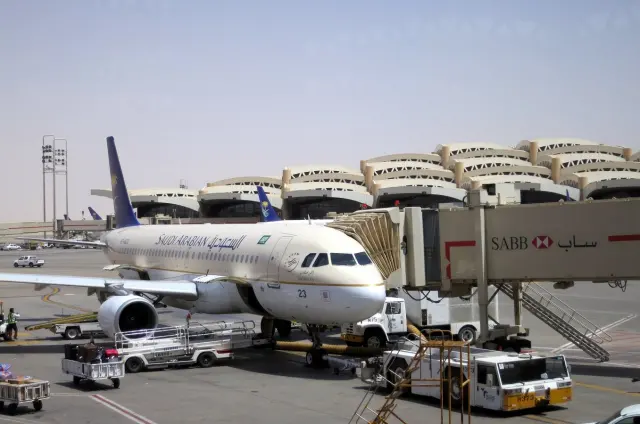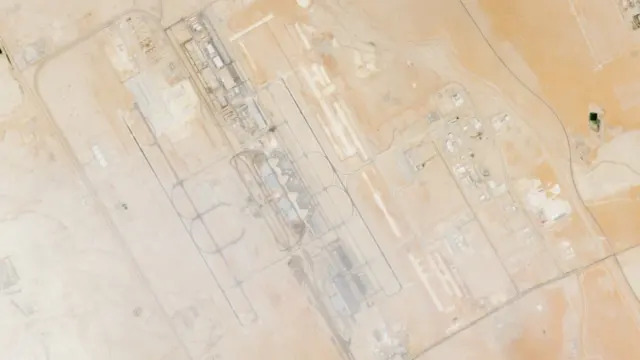
Riyadh's King Khalid International Airport (RUH) was struck by a Houthi missile attack on Saturday, October 10, 2026, killing at least 12 people and injuring more than 300 — reportedly 309. It's the deadliest terror attack inside Saudi Arabia since 2015, and it came just two days after an earlier strike on the same airport destroyed a Saudia Airbus A320 on the ground and killed three people.
The escalation is part of a pattern. Attacks hit Saudi airports on October 6 and 7 as well, with three further deaths, and a projectile also fell near King Fahd International Airport (DMM) in Dammam on the Saturday. The Houthis claim the strikes, which they frame as retaliation for Saudi support of government forces in Yemen's restarted civil war. Saudi Arabia has described the airport bombing as a war crime.
The broader context makes this worse than an isolated incident. Gulf aviation hubs have endured a bruising year: earlier strikes touched Abu Dhabi (AUH), Dubai (DXB) and Kuwait (KWI), all against the backdrop of the US–Iran war and regional instability. Add a disturbing near-miss — a flydubai pilot who attempted to fly a plane into Tel Aviv's Ben Gurion Airport — and confidence in the region's hubs is taking a real hit.
Why should travellers care? Gulf carriers built their success on three pillars: geography that connects major population centres, a passenger experience among the world's best, and a long stretch of artificial calm — safe islands surrounded by a turbulent neighbourhood. That third pillar is now visibly cracking. Even travellers who don't fear an attack may reasonably avoid routing through hubs dealing with repeated airspace closures, damaged facilities and insurance headaches. Several commentators, including the original report's author, say they're bypassing Gulf connections entirely for now.
One telling detail: Delta still lists its planned Atlanta–Riyadh route as launching in two weeks, despite near-zero demand and the obvious security concerns. The guess among industry watchers is a standoff with the Saudi government over subsidies — each side apparently waiting for the other to pull the plug first. Few expect that flight to operate as scheduled.
For now, the practical takeaway is simple: if you have a booking connecting through Riyadh, Dammam or other Saudi airports, check with your airline about rerouting options, and keep an eye on government travel advisories. Travellers with flexibility might connect elsewhere — through Istanbul, Doha's alternatives in Africa or Asia, or even Europe — until the situation stabilises. Nobody can say when that will be; history suggests that once a region's reputation for safety unravels, rebuilding it takes years, not months.