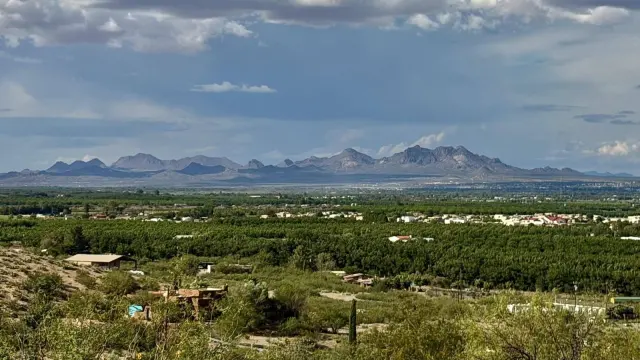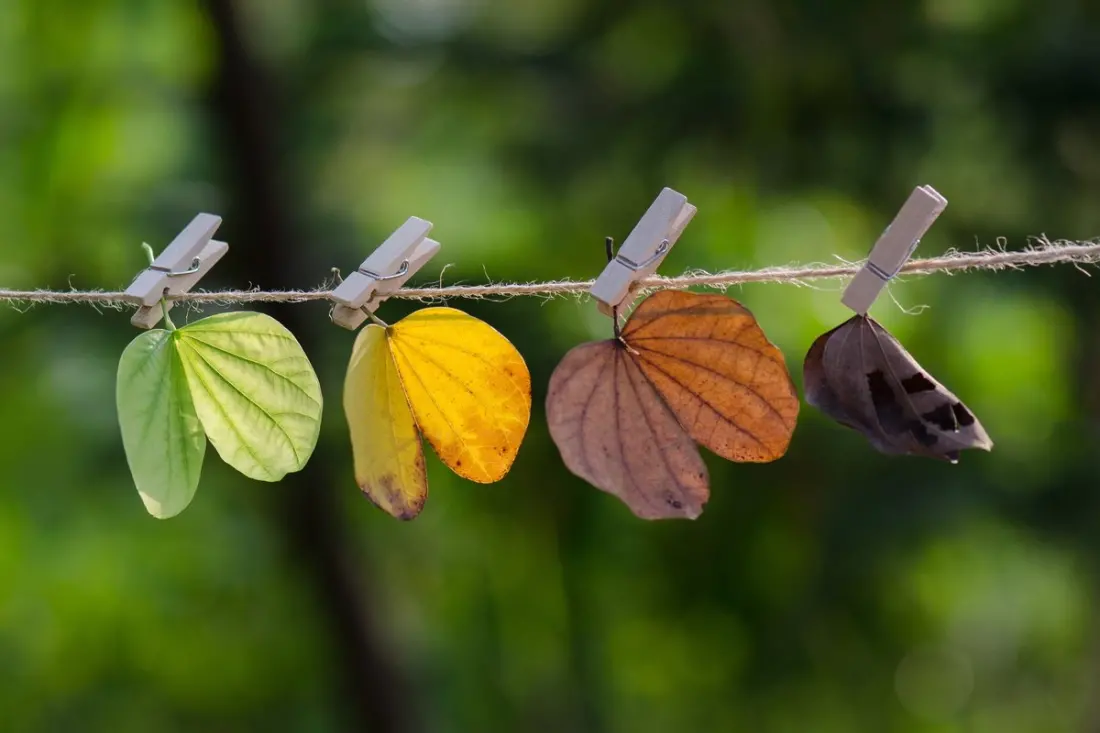
From late February onwards, much of Mexico dries out fast. Grass turns corn-yellow, dust and pollen drift on light breezes, and by March temperatures at altitude can hit 30°C by mid-afternoon. For anyone planning an extended stay — snowbirds, remote workers, renters — the dry months (roughly October or November through May) need a bit of planning to stay comfortable.
Dust is the first thing you'll notice, and it's worst inland; coastal areas fare better. Practical fixes are simple: keep soft tissues handy, mop floors and wipe surfaces damp rather than dry-dusting, clean glasses often, and if you buy an air purifier or fan, choose one with a genuine allergen-trapping filter — cheap units just recirculate the particles.
Dry air, especially at elevation, dries out skin. Long hot soapy showers make it worse by stripping natural oils, so the advice is to shower less often, use minimal soap, and try a diluted white vinegar rinse instead of detergent shampoos. A good moisturiser earns its place in your bag.
Water is the bigger story. Many Mexican towns and cities don't pressurise mains water; instead it flows into an underground cistern on your property, which is pumped up to a rooftop tank. During the driest months, municipalities may ration or cut supply on certain days, and that's when the "pipas" — water tanker trucks — do brisk business topping up cisterns, particularly in rural areas and outlying neighbourhoods without mains connections.
If you're renting a place with a garden, expect your host to be watering between January and May. Established lawns go yellow but usually survive, coming back green with the first rains. Water-saving setups common in Mexico include timer-based misting sprinklers run at dawn and dusk, soaker hoses and drip irrigation, and "gray water" cisterns that collect household wastewater for irrigation.
The heat itself is manageable if you structure your day: get errands and exercise done before lunch, rest through the late-afternoon peak, and head out again after sunset when it cools. Pools, ceiling fans and aircon help, and staying hydrated matters — go easy on alcohol, which speeds dehydration.
The payoff? The dry season is also Mexico's most reliably sunny, dry weather for travel, and when the rains arrive in May or June the countryside greens up within weeks. Know what to expect, and the driest months are entirely livable.