Amazon MGM Studios has confirmed Robert Pattinson as the next James Bond, with Denis Villeneuve directing from a screenplay by Steven Knight. Before the new era begins, though, the Caribbean remains the series' most storied backdrop - and several of the spots are easy to visit.
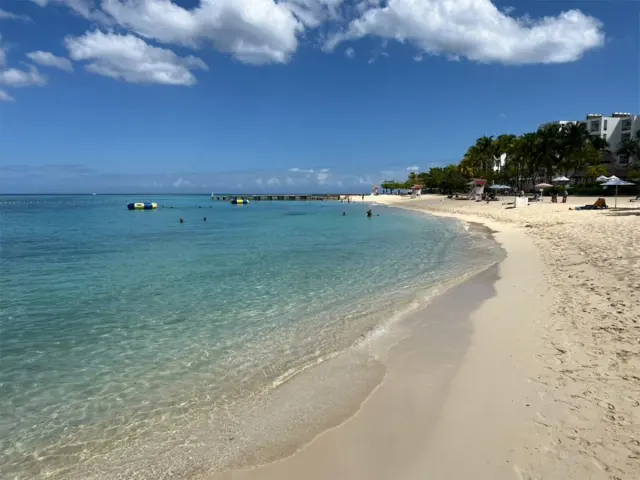
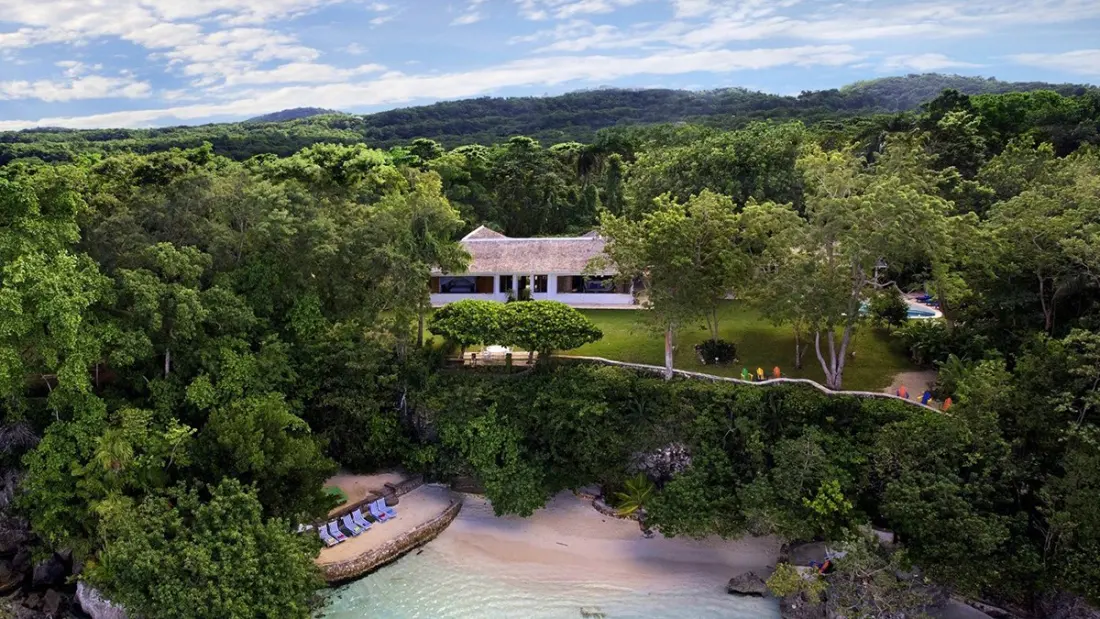
Start in Jamaica, where it all began. Ian Fleming wrote the novels at GoldenEye in Oracabessa (now a hotel you can book), and Dr. No shot much of the first Bond film there in 1962. The beach where Ursula Andress walked out of the sea is Laughing Waters, just outside Ocho Rios - in the film it plays Crab Key, the villain's island. Jamaica returned as the fictional San Monique in Live and Let Die (1973); Cottage 10 at Half Moon in Montego Bay was a filming spot, and the famous crocodile run was performed by Ross Kananga, who owned the crocodile farm. Craig's farewell, No Time to Die (2021), brought 007 back to a waterfront house near Port Antonio, plus a seaplane sequence at Kingston Container Terminal.
The Bahamas has two starring turns. Thunderball (1965) filmed at Love Beach on New Providence and at the British Colonial hotel on Nassau's waterfront. For Casino Royale (2006), Daniel Craig played poker at the Ocean Club on Paradise Island - now a Four Seasons Resort, where you can still drink at the lobby bar that featured in his martini scene. The John Watling's Distillery estate in Nassau also appears in the film.
Not every 'Caribbean' scene was shot in the region. GoldenEye's climactic Cuba fight actually took place at Puerto Rico's Arecibo Observatory radio telescope (now closed), Die Another Day's Havana scenes were filmed on La Caleta beach in Cádiz, Spain, and Quantum of Solace spent four weeks shooting its Haiti boat chase in Colón, Panama.
Why care? Because Bond tourism here is genuinely hands-on: swim off the beach that started it all in Jamaica, sip a martini where Craig did in Nassau, or stay at Fleming's GoldenEye. With Villeneuve's film on the way, expect renewed interest - and crowds - at the classic locations.