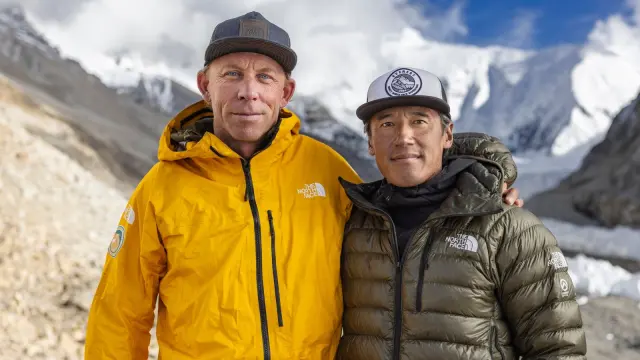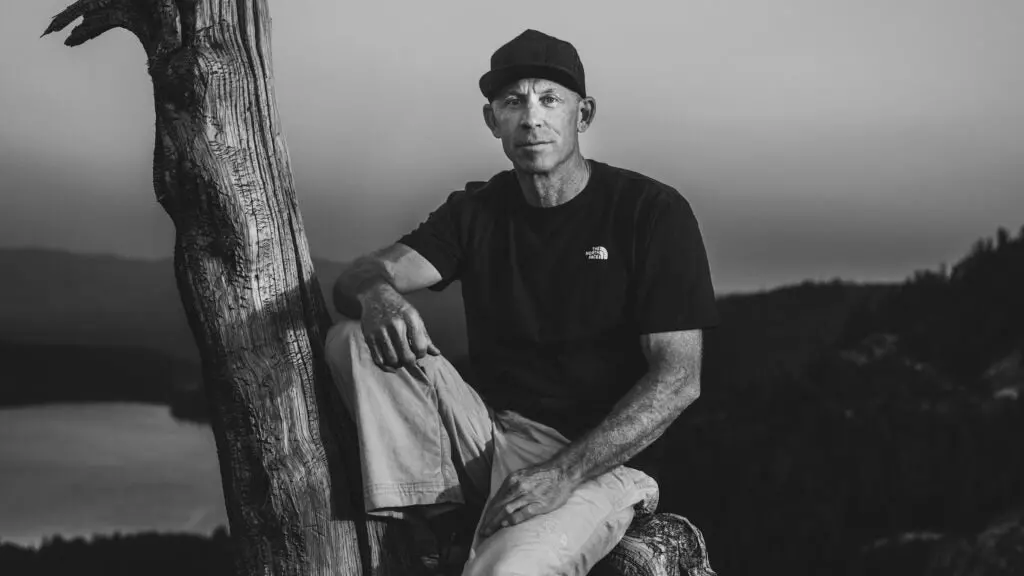
When American skier Jim Morrison reached the summit of Everest in autumn 2022, the hard part was only beginning. He went on to complete the first ski descent of the Lhotse Couloir, the steep icy gully on the mountain's flank that has humbled elite skiers for decades — a feat Outside Online has now revisited as Morrison finally speaks publicly about what happened up there.
The couloir is a narrow, near-50-degree chute sitting at extreme altitude, where a single mistake is rarely survivable. Most Everest ski lines skirt around such terrain; Morrison dropped straight into it, roped and protected, in conditions that window of stable weather made possible only briefly. The achievement closed out one of the last great unclaimed ski objectives in the Himalaya, and it put Morrison — a longtime ski mountaineer better known in climbing circles than to the general public — into the record books.
What makes the story compelling beyond the headline feat is the human side. Morrison's account touches on the years of planning, the risk calculus he and his team worked through, and the emotional weight of descending a line that others had attempted and, in some cases, died trying. Autumn ascents of Everest are rare compared with the busy spring season, adding another layer of difficulty: shorter days, colder temperatures and a leaner support infrastructure on the mountain.
For travellers, the story is a window into how high-altitude mountaineering actually works in Nepal — the permits, the weather windows, the Sherpa teams and the logistics behind any summit push. Even if you never lace up climbing boots, the Everest and Khumbu region remains one of the world's great trekking destinations, and stories like Morrison's explain why the mountain holds such a grip on the imagination.