Scientists diving off Croatia's Brijuni National Park have pulled two juvenile noble pen shells from the water — small finds with big implications. The noble pen shell (Pinna nobilis), one of the Mediterranean's largest bivalve molluscs, is critically endangered after mass die-offs caused by pathogens swept through populations across the region. Any sign of young ones settling in the wild is worth celebrating.
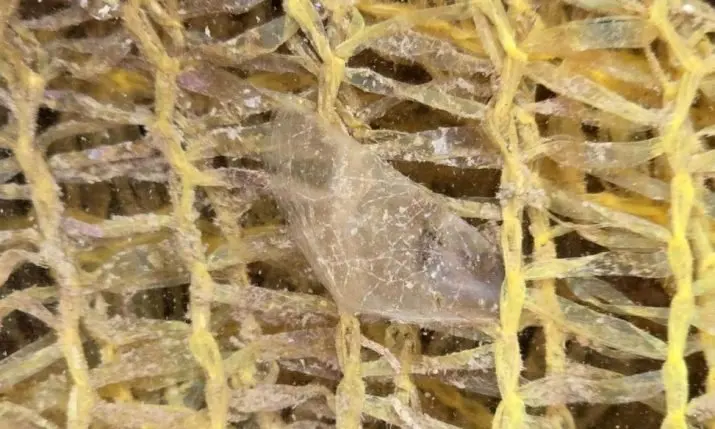
The two specimens were found during this year's inspection of underwater 'collectors' — structures designed to capture settling juveniles. The first, nicknamed Dora, came up earlier in the week; a second followed on Wednesday. Dora has since been moved to Aquarium Pula, where she'll receive specialist care.
This is the eighth consecutive year of the conservation project focused on the northern Adriatic. The current field campaign, running from 25 October to 1 November 2026, is led by scientist Dr Silvija Kipson of SEAFAN, working with a diving team to examine collectors installed in July. More collectors are still waiting to be checked, and researchers are hoping for further discoveries before the survey wraps up.
Why all the fuss over a mollusc? Noble pen shells can grow up to a metre long, their fan-shaped shells anchored in seagrass meadows. They're a flagship species for Mediterranean marine health, and their near-collapse has left scientists scrambling to understand whether the species can still reproduce successfully in the wild. Each juvenile found at Brijuni helps answer that question — and shapes what protection measures might come next.
For travellers, it's a good reminder that Croatia's national parks aren't only about waterfalls and walled towns. The Brijuni archipelago, just off the Istrian coast near Pula, is a protected marine zone where science happens alongside tourism, and visiting means supporting a park that actively invests in its underwater biodiversity.
Who's this for? Travellers with a soft spot for marine life and eco-conscious trips will find Brijuni a rewarding alternative to Croatia's busier hotspots — and a chance to see conservation in action.