A winter thru-hike through Great Smoky Mountains National Park looks a lot different to the postcard version. One long-distance hiker has been documenting the reality: 72 miles over four days, with more than 18,000 feet of climbing and an almost identical amount of descent, much of it on snow-covered ridgelines in freezing conditions.
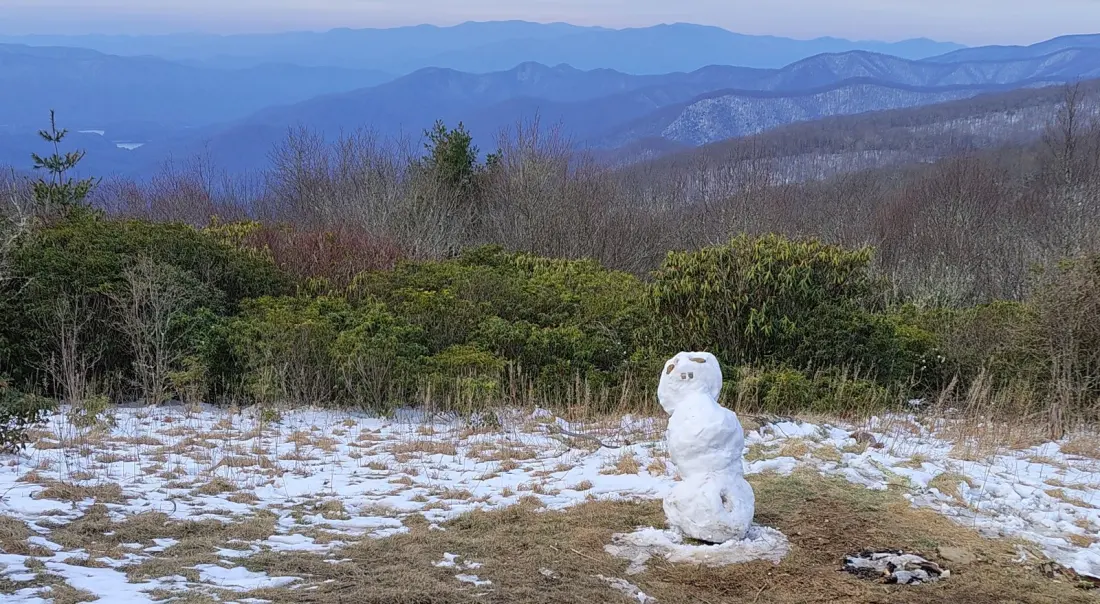
The latest stretch covers some of the Appalachian Trail's most famous Tennessee high points. After a cold night at Russel Fields Shelter, where temperatures dropped into the 20s Fahrenheit, the hiker was on trail by 6:30 a.m., grinding along at roughly two miles per hour until the steep pull up Rocky Top slowed everything down. The reward came at the top: sunrise views over Thunderhead Mountain and a ridge blanketed in four inches of snow, with drifts up to 18 inches deep, set against the Smokies' dark green forest tunnels.
Along the way came a lesson in trail culture. The hiker fell in with a "tramily" — trail family — of six fellow thru-hikers, including one known as Tunes, who carried a small guitar, and BBC, an English hiker filing weekly radio reports back home. Together they pushed toward Double Springs Gap, a demanding 16.5-mile day with over 5,000 feet of gain.
The Smokies also come with rules that catch out first-timers. Thru-hikers must yield shelter space to anyone with a reservation, and Double Springs Gap was reportedly fully booked with non-thru-hikers — though the deep cold kept many of them away. With Silers Bald shelter awaiting roof repairs via helicopter-resupplied materials, spare capacity is tight. When the afternoon sun vanished and shivering set in — a genuine early warning sign of hypothermia — the hiker chose safety over shelter politics and pitched a tent in the woods, warming up fast once dry and zipped into a down bag.
Why does this matter if you're not walking 2,000 miles? Because it's a window into the Smokies in their quietest, most dramatic season. Winter brings snow-dusted balds, empty trails and a completely different park experience — but it demands serious gear, an awareness of shelter reservation rules, and respect for how quickly wet clothing and dropping temperatures turn dangerous at elevation. Anyone considering an early-season AT section hike or a cold-weather Smokies trip will find plenty here to plan around.