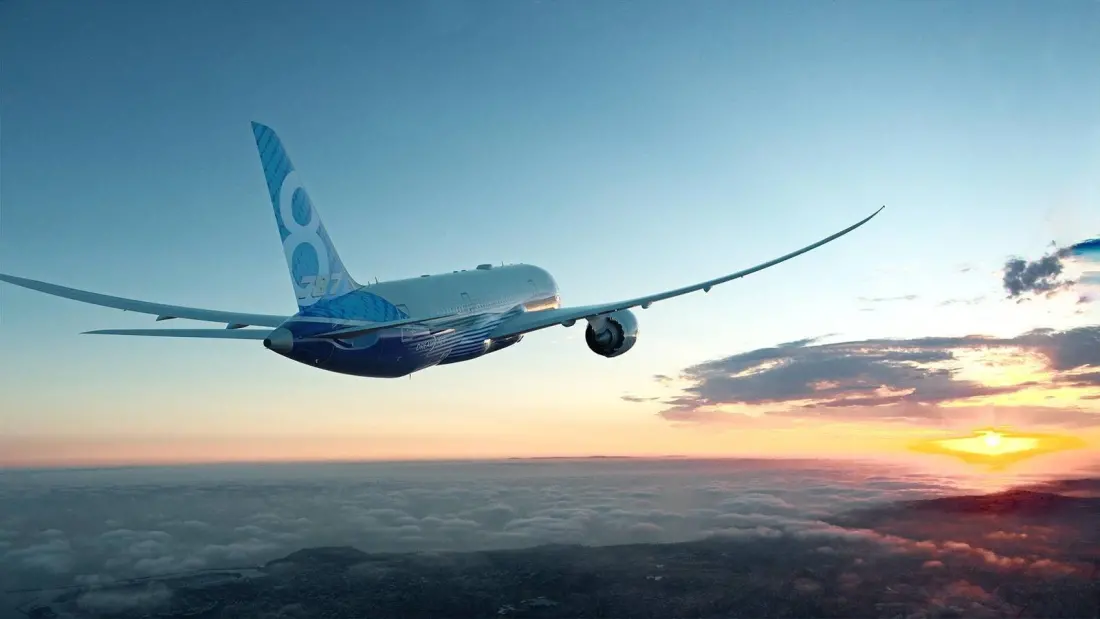
Southwest Airlines, an airline that has flown nothing but Boeing 737s for more than five decades, is reportedly weighing its first-ever widebody aircraft. According to a Reuters report citing sources close to the carrier's fleet planning, Southwest is seriously considering the Boeing 787 Dreamliner, with a rough three-year timeline in mind. Nothing is signed, though: a Southwest spokesperson told Reuters there was no fleet news to announce.
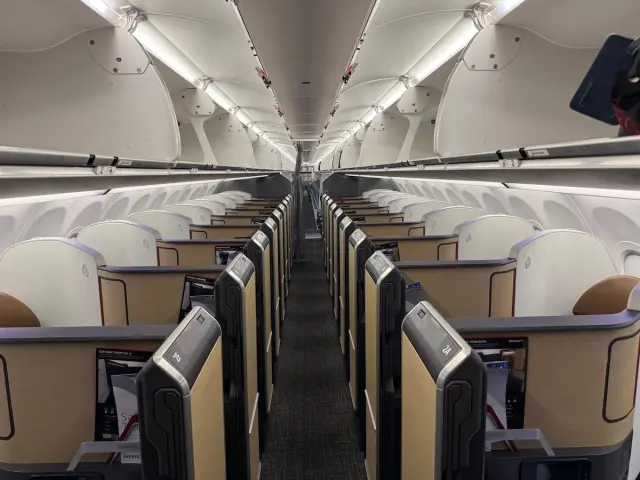
Here's the catch — new 787 delivery slots are effectively sold out for the rest of the decade. That means if Southwest wants Dreamliners within three years, it would almost certainly have to buy or lease second-hand aircraft. The likeliest seller? Norse Atlantic Airways, the struggling Norwegian long-haul low-cost carrier whose 787s are configured exactly the way a budget transatlantic operator would want them: 338 seats, of which 56 are premium economy and 282 economy, so Southwest wouldn't need to rip out and redo the cabin.
Rumours of this pairing have been circulating for a while. Aviation analyst Enilria reported back in July 2025 that Southwest was rumoured to be looking at leasing Norse's 787s to launch Europe flights, and followed up in August with talk of Alaska Airlines or Southwest chasing the same planes as Norse hunted for lease deals to shore up its finances. One stumbling block now flagged: Southwest has never flown widebodies, so it would need to negotiate long-haul pilot pay from scratch — rarely a quick process.
Why does this matter? Southwest currently connects travellers to Europe only through interline partnerships with carriers like Icelandair and Condor, meaning you book Southwest, then transfer to another airline across the Atlantic. Owning or leasing 787s would let it fly those routes itself — potentially at the kind of low fares Southwest built its name on. For holidaymakers, a Southwest-operated low-cost transatlantic network would be a genuine shake-up of a market dominated by legacy carriers.
For now, it remains a strong maybe. Southwest's fleet is famously uniform: 823 Boeing 737s, including 343 MAX 8s averaging under four years old, plus 193 more MAX 8s on order and 228 MAX 7s outstanding. Its oldest 737-700s average over 20 years, and a widebody experiment would be uncharted territory for a carrier that has spent its entire history perfecting quick-turnaround, single-aisle domestic flying. Watch this space — but if you're dreaming of a no-frills bargain fare to Europe from a US city near you, the pieces are starting to line up.