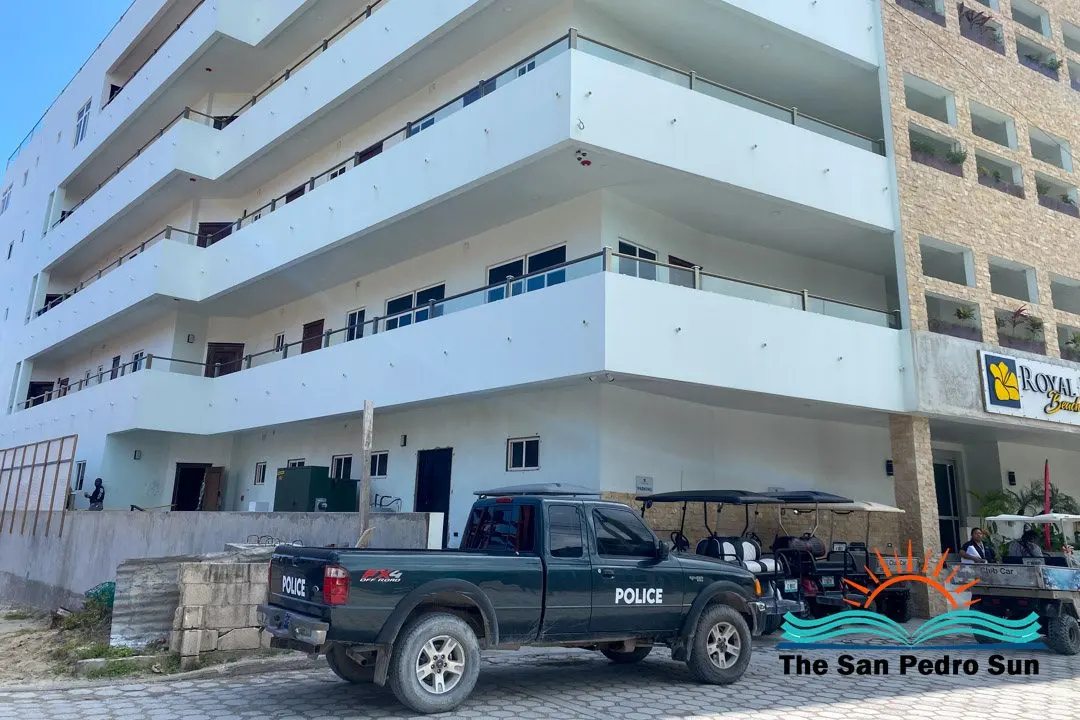
A US court has removed Strukture Architects Limited and Anna Maria Espat from a wrongful death lawsuit tied to the deaths of three young American-based travellers at Royal Kahal Beach Resort on Ambergris Caye, Belize. The dismissal, filed in the US District Court in Massachusetts on 2 October, was made without prejudice — meaning the claims against them could theoretically be refiled, and nothing about the underlying allegations has been proven either way.
The lawsuit was brought in February this year by the families of Kaoutar Naqqad, 23, Imane Mallah, 24, and Wafae El-Arar, 26, who were found dead in their room at the San Pedro resort on 22 February 2025. It seeks US$100 million and names a broad roster of defendants: the resort itself, booking platform Expedia, and various owners, developers and contractors. Strukture Architects, associated with Belize's Minister of Infrastructure Development Julius Espat, was dropped after his legal team argued the firm was never hired for the resort's development or project management and was never on site. Espat called the outcome a major relief and suggested developers should carry liability insurance on projects like this one.
The case has moved through several grim phases. Early local statements pointed to alcohol and gummies found in the room, fuelling speculation about overdoses before toxicology results came in. Autopsies and formal testing told a different story: all three women died of acute carbon monoxide poisoning. Reports have linked the leak to a faulty water heater, and the room reportedly had no carbon monoxide detector. The resort remains a defendant, along with other parties, so the litigation is far from over. For the families, the stated goal is less about money than about making sure no other family goes through the same thing.
For travellers, this is a stark reminder that accommodation safety standards vary widely, and that carbon monoxide is silent, odourless and fast-acting. Booking platforms are increasingly being drawn into liability questions when something goes wrong at a listed property — this suit names Expida alongside the resort. A battery-powered carbon monoxide detector is a cheap packing-list item for trips involving rental apartments, villas or small independent hotels, especially in destinations where detectors are not legally required. It is also worth knowing what the symptoms look like — headache, dizziness, nausea — and that they can be mistaken for food poisoning or a hangover. Unsafe water heaters and poorly ventilated rooms are a known risk in budget and mid-range properties across the Caribbean and Central America, and the risk rises in enclosed spaces during air-conditioning season when windows stay shut.
The case against the remaining defendants continues, and the outcome may shape how resorts, developers and booking platforms handle safety obligations for international guests. In the meantime, the practical takeaway for anyone booking a stay in San Pedro or similar destinations is simple: verify the room has a working CO detector, and bring your own if it might not.