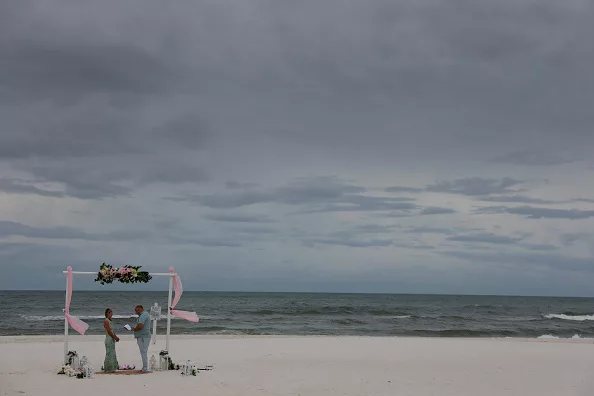
Holiday plans along Florida's Panhandle and Alabama's coast are in disarray as Hurricane Isaias strengthens to a Category 2 storm, with sustained winds around 105 mph (169 km/h) and the possibility of further intensification before it reaches shore.
Landfall is expected late Friday 9 October or early Saturday, with the stretch between the Florida Panhandle and the Alabama coast most at risk. Florida, Alabama and Georgia have all declared states of emergency, and mandatory evacuation orders are in place for vulnerable coastal communities. Visitors and non-residents in popular beach towns such as Gulf Shores and Orange Beach have been told to leave — a direct warning to anyone travelling in the area rather than riding it out.
The National Hurricane Centre is forecasting dangerous storm surge of 5 to 7 feet in some coastal zones, heavy rain capable of triggering flash and river flooding, damaging winds and even possible tornadoes as the system comes ashore and pushes inland. Schools and college campuses in the affected areas have already closed.
Beyond the coast, the storm is biting into the Gulf of Mexico's offshore energy industry: companies have begun shutting or securing platforms and pulling non-essential staff off offshore sites. Once inland, Isaias is expected to spread heavy rain and severe weather across parts of the southeastern US over the weekend.
For travellers, the message is straightforward: if you have a trip booked to the northern Gulf Coast this week, delay it or make alternative arrangements. Airlines and hotels in hurricane zones typically offer fee-free changes or refunds once a storm warning is issued, so contact providers rather than simply not showing up. If you're already in the region, follow local evacuation instructions immediately, keep devices charged, stock water and non-perishable food, and expect power cuts. Forecast tracks can shift significantly in the final 24-48 hours, so keep an eye on National Hurricane Center updates rather than relying on older reports.
The southeastern US hurricane season runs from June to November, peaking between August and October — worth factoring into any autumn trip to Florida, Alabama or the wider Gulf Coast, along with travel insurance that covers weather disruption.