Spain is holding a snap general election on Nov 29, called by Prime Minister Pedro Sanchez after parliament rejected his flagship housing decrees — the latest twist in a political saga that matters to anyone with a trip to Spain on the horizon.
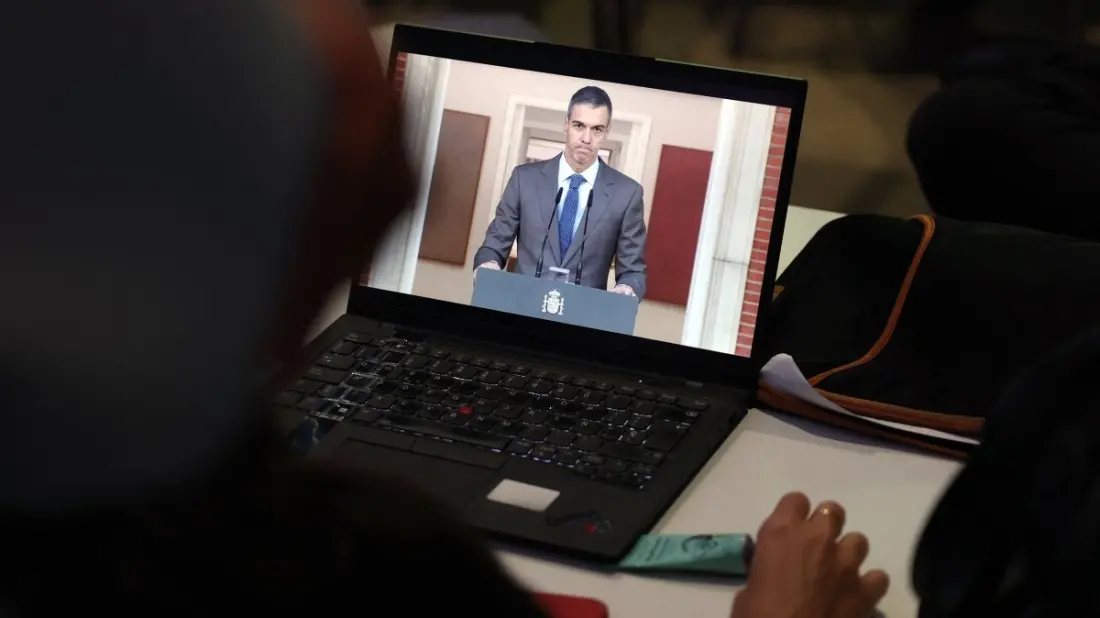
Sanchez announced the vote in a televised address, arguing he needs a renewed and larger progressive majority to push through his agenda. The trigger was Friday's defeat of his housing package in parliament, struck down by right-wing MPs even though the proposals — aimed at easing a mounting affordability crisis — had polled well with the public. Fresh housing protests are planned, and Sanchez admitted his government has made mistakes and left part of its electoral base dissatisfied.
The gamble is a risky one. His Socialist Party has been languishing at around 26-31% in approval throughout his tenure, and polls currently favour a coalition of the conservative People's Party supported by Vox. That would put a far-right party in central government for the first time since Spain's return to democracy after Franco. Still, Sanchez has a habit of defying expectations: he has never won an outright majority yet has clung to power for eight years across three terms by assembling unlikely coalitions stretching from the far left to Catalan separatists — the latter secured through the controversial amnesty for pro-independence leaders that still angers many voters.
His record is a mixed bag. On the plus side: unemployment has fallen to its lowest level in nearly two decades thanks to a labour reform, Franco's remains were removed from the mausoleum he built for himself outside Madrid, and the economy has been one of the best performers in the developed world — even though no budget has passed since 2023. Sanchez has also positioned Spain as an outlier on immigration, arguing foreign workers are essential to construction, agriculture and hospitality, and refused US-led demands to raise defence spending to 5% of GDP. Against that sit corruption scandals that have touched senior figures in his own party.
Why should travellers care? Because Spain's housing crunch is already reshaping the places visitors love. Rent spikes and protests over short-term holiday lets and over-tourism have been building in Barcelona, Madrid and the islands, and housing policy is now the central battleground of the election. The outcome could determine how strictly Spain regulates tourist apartments, caps rents and taxes non-resident buyers — rules that directly affect where you can stay and what it costs. With the vote set for late November, anyone booking a Spanish trip for 2027 should keep an eye on what the next government does with holiday-rental licensing and tourist taxes.
Until then, Spain remains open for business: the economy is humming, and the political drama is playing out at the ballot box rather than on the streets for now — though the planned housing protests are worth factoring into any city-break itinerary this autumn.