Montenegro packs a surprising amount into a small frame: 293km of Adriatic coast, five national parks, and mountains that climb well past 2,000m. A new guide to the country's highlights makes the case that you can combine beaches, medieval towns and serious hiking in a single trip — often within a couple of hours' drive of each other.
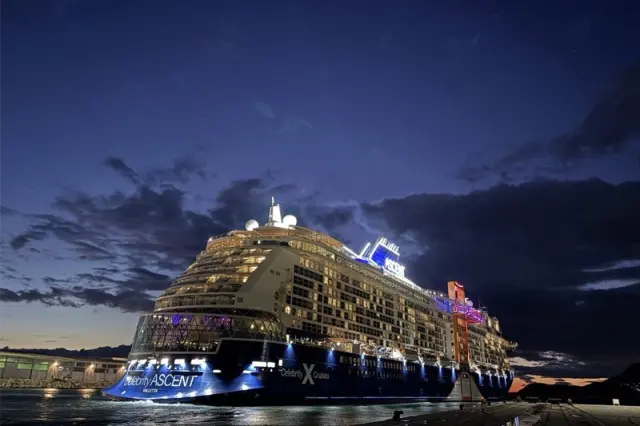
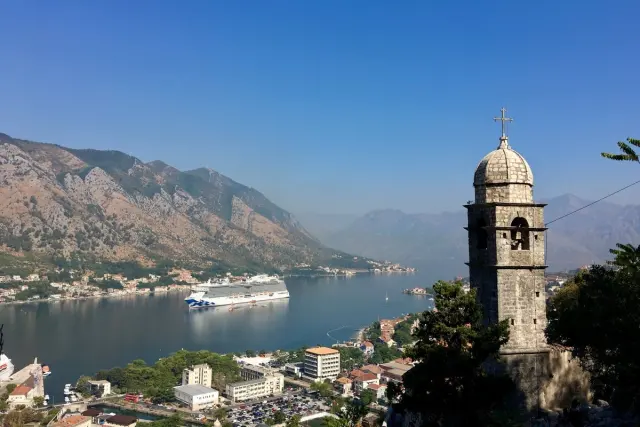
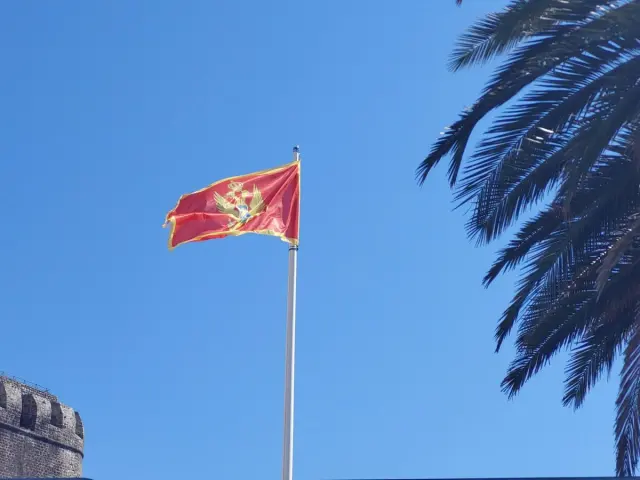
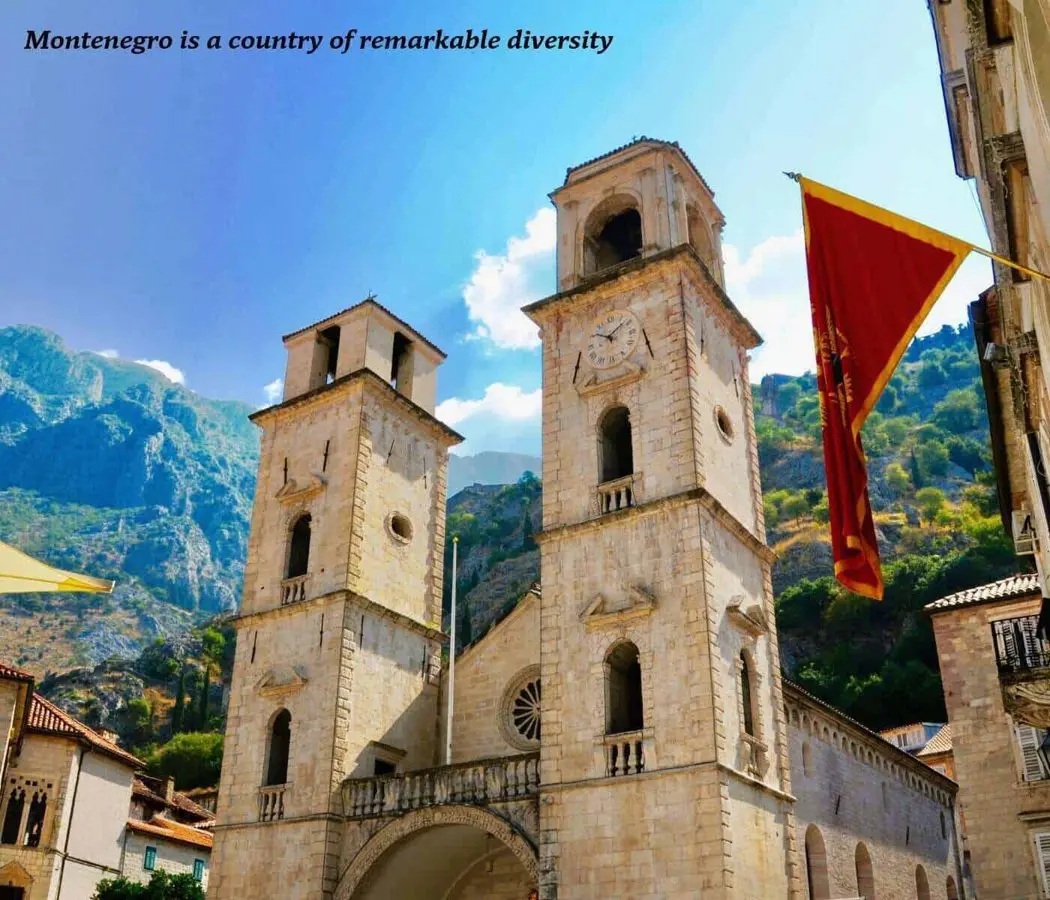
Top of most lists is the Bay of Kotor, an 87km² fjord-like inlet ringed by peaks — Orjen tops out at 1,894m, Lovćen at 1,748m — that drop straight into clear blue water. At its southern tip sits Kotor itself, a walled Venetian-era town (it flew the flag of Venice from 1420 to 1797, when it was known as Cattaro) whose Old Town forms part of two UNESCO World Heritage Sites. Its stone alleys open onto squares named after old trades — Milk Square, Flour Square, Salad Square. It does get mobbed when cruise ships dock, so arrive early or stay overnight.
Inland, Lake Skadar is the Balkans' largest lake, swelling from 370km² in summer to 540km² in winter. Two-thirds of it lies in Montenegro, protected within a national park and recognised as a Ramsar wetland of international importance. The northern marshes are reed-bed bird habitat laced with waterlilies in spring; the southwestern shore, under Mount Rumija, hides rocky island monasteries.
Lovćen National Park has long drawn visitors to the mountaintop mausoleum of poet-prince Petar II Petrović-Njegoš, but since 2023 its star attraction is the Kotor Cable Car, which rides up the mountain's western slopes with sweeping views over the bay.
On the coast proper, Budva is the country's biggest and busiest resort — fine beaches, watersports, and a tidily Venetian Old Town on a promontory, with water taxis shuttling to uninhabited St Nicholas's Island, whose 121m summit makes for a good short hike. At the other end of the country's shoreline, just 18km from Albania, Ulcinj feels different by design: three centuries under Ottoman rule left it with a majority-Muslim, largely Albanian population, 26 mosques and a distinct Turkish-flavoured Old Town.
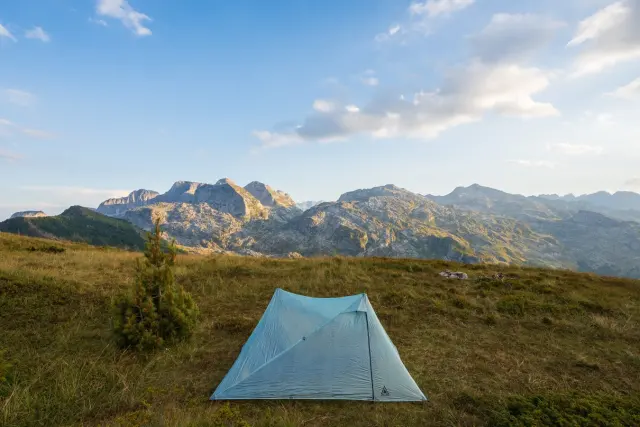
The mountains have their own pull. Durmitor National Park, a UNESCO site since its designation in 1952, offers saw-toothed peaks, glacial lakes, a drivable scenic loop (the Durmitor Ring) and white-water rafting below the Đurđevića Tara Bridge on the Tara River Canyon. Bjelasica, a softer, grassier range whose name means 'White Mountain', hosts the Kolašin ski centres in winter and year-round chairlift access above 2,000m on Troglava Peak. And in the far southeast, Prokletije National Park — created only in 2009 — is the wild card: its peaks include Zla Kolata (2,534m), Montenegro's highest point, with more than 1,700 plant species and wildlife ranging from chamois to golden eagles.
One more stop worth the detour: Ostrog Monastery, painted white and built into a sheer cliff face between Danilovgrad and Nikšić, among the most venerated religious sites in the Balkans.
For travellers, the appeal is obvious — a country the size of Wales where you can swim in the morning, raft a canyon in the afternoon and sleep in a walled medieval town. It suits road-trippers and hikers especially well, with late spring and early autumn the sweet spot for avoiding crowds.