A supermoon drought ends next week. After none since January, a run of four oversized full moons kicks off on Tuesday, November 24 — coincidentally the night before Thanksgiving — and continues with the closest full moon of the decade on December 23, then again on January 22 and February 20, 2027.
The December 23 event is the standout: the moon will sit just 221,667 miles from Earth, the nearest it gets this decade. That means a noticeably larger, brighter disc than a regular full moon — supermoons can appear up to 14 percent bigger and 30 percent brighter than the smallest full moons of the year.
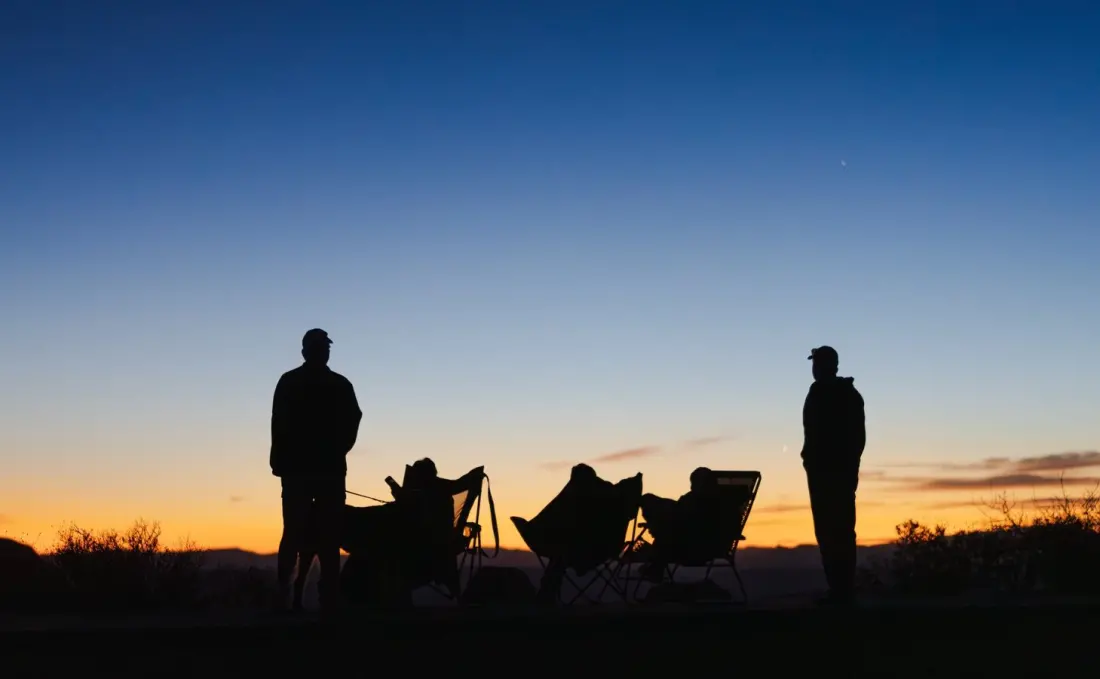
The timing trick most people miss: skip the official "full" moment and watch at moonrise instead. A full moon rises in the east to northeast right as the sun sets in the west, and thanks to the well-documented "moon illusion," it looks enormous near the horizon. Golden-hour light tints it a tangerine orange, which is also why photographers should stake out an east-facing viewpoint at sunset. Moonset at dawn works too, but moonrise requires no alarm clock — and once the moon is up, early constellations start appearing.
The source guide lists a viewing spot in all 50 states; a few highlights worth planning around. In Arizona, Mather Point on the Grand Canyon's South Rim gives the classic east-facing setup (check current closures first). Alabama's Cheaha State Park offers a 2,400-foot lookout from Bunker Tower. Alaska's Homer Spit lets you watch sunset and moonrise simultaneously over Kachemak Bay, with a chance of northern lights. Death Valley's Zabriskie Point and Mesquite Flat Sand Dunes pair the moon with sculpted badlands. Chicagoans can simply walk the lakefront trail — the stretch behind Adler Planetarium is a favourite. Other standouts: Driftwood Beach on Georgia's Jekyll Island, Maine's Portland Head Light, Minnesota's Split Rock Lighthouse, and Missouri's Gateway Arch, where the moon can be photographed rising beneath the 630-foot structure.
Why it matters: supermoon watching is one of the cheapest, most accessible night-sky experiences there is. No gear, tickets or remote travel required — just a clear view toward the eastern horizon and the right evening. With four dates spread across the holiday season, it's easy to fold one into a trip you're already taking, whether that's a Thanksgiving gathering, a Christmas getaway or a mid-winter escape. Pick the closest overlook with open views east, arrive 20 minutes before sunset, and look up.
Full credit to Outside Online for the original viewing guide.