Day 36 of a long-distance Camino de Santiago pilgrimage sounds like a simple one: leave the albergue before dawn, walk to Palas de Rei, sleep. But this diary entry from a thru-hiker walking since France captures what the last week on the Camino Francés actually feels like — a tangle of friendship, fatigue, and the sudden wish for silence before the finish line.
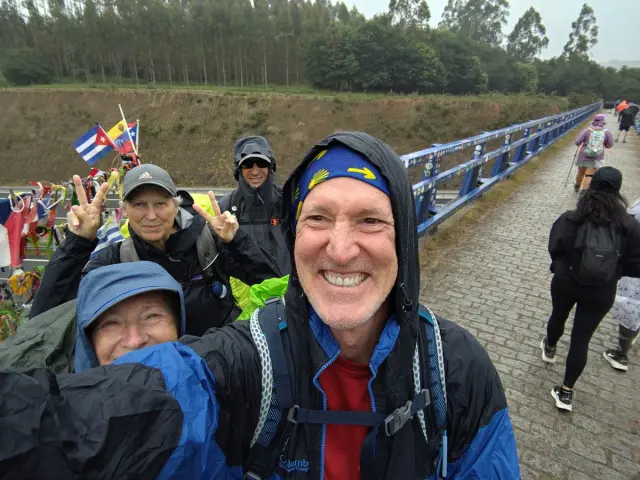
The day starts at 4:30am with a plan to meditate in a forest near Portomarín at sunrise. That idea gets shelved when clouds roll in, and it turns out to be lucky: an Australian friend invites the writer and their Argentinian walking companion to breakfast at her albergue, and the trio continues together through dense fog where visibility drops to twenty feet.
The interesting part is the social navigation. Long-distance pilgrims live in a bubble of constant company, and the writer wrestles with how to ask for solitude without hurting anyone. The advice that works comes in Spanish: don't ask, just say. It's handled gracefully — the Australian friend walks on ahead, and later the Argentinian friend stops mid-trail, offers a hug, and sends the writer off alone with the old pilgrim blessing "Ultreia et suseia" — onward and upward.
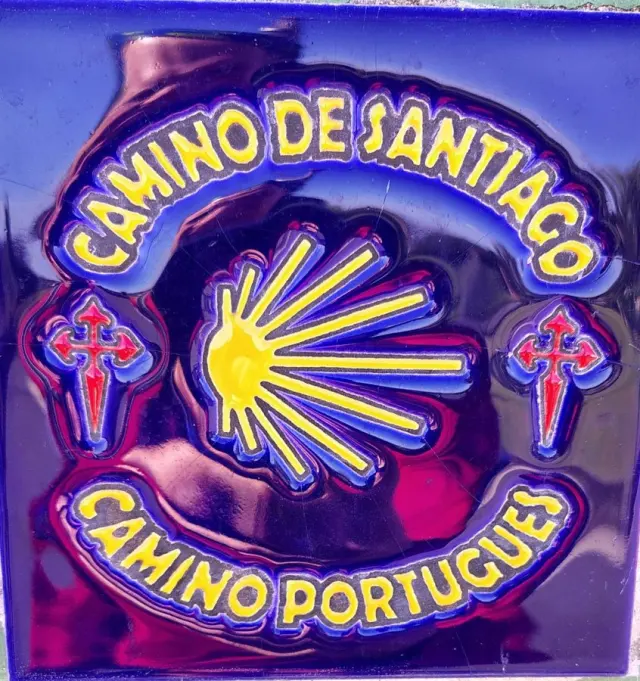
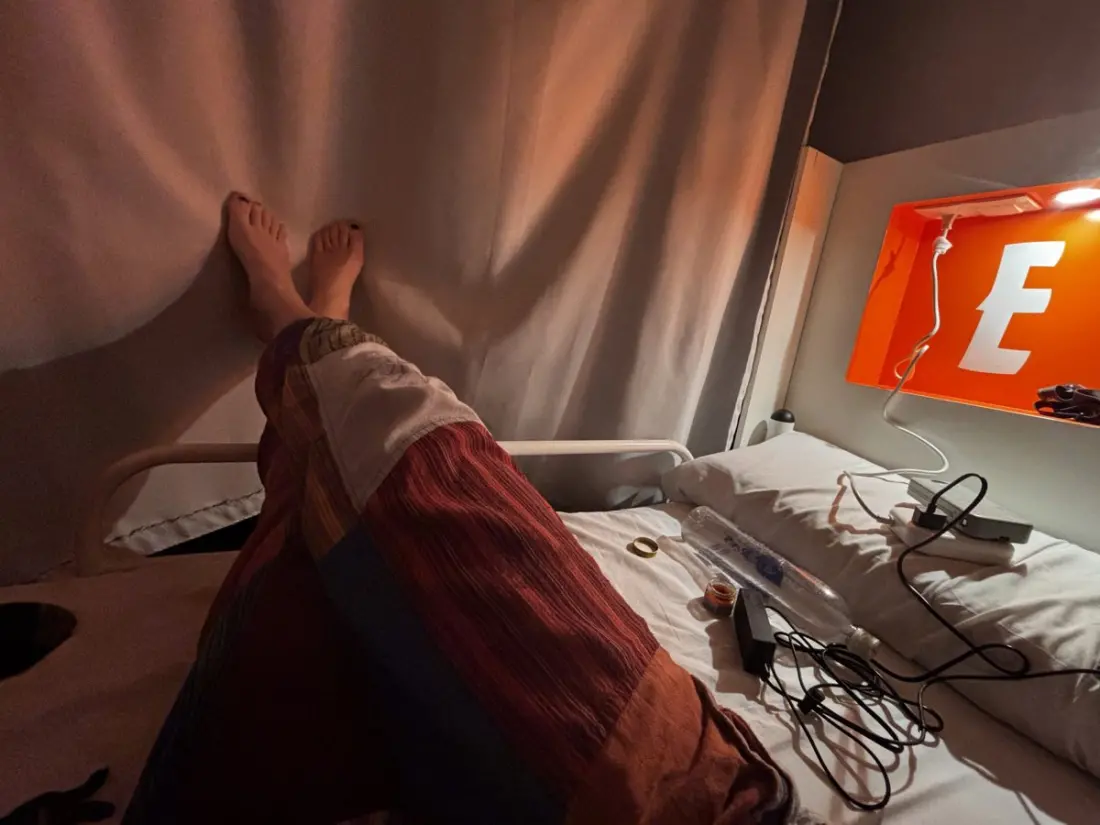
Walking solo pays off. Between brief chats with passing pilgrims, there's space to notice the green Galician countryside as the sun finally breaks through. In Palas de Rei, the first albergue is full, so a pivot to Albergue Restaurante Castro for €5 more brings real sheets, a memory foam pillow and a bunk curtain — minor luxuries that feel earned after a month of dorms. Dinner is a DIY baguette-and-tuna affair eaten alone on a church terrace, the first solo meal in nearly two weeks. There, pilgrims from North Carolina, walking the popular final 100km section from Sarria, gift the writer a handmade ceramic scallop shell — the Camino's classic symbol — as a nod to having walked the entire route from France.
Why does this matter to travellers? Because it's an honest portrait of the emotional architecture of a long walk, not just the logistics. Anyone planning the Camino should know that the last week brings a crowd surge (most pilgrims start at Sarria to qualify for the compostela certificate), so moments of quiet take deliberate effort. The entry also shows how flexible you need to be: plans change with the weather, accommodation fills up, and the best experiences — a sunrise idea deferred, a chance gift from strangers — come from rolling with it.