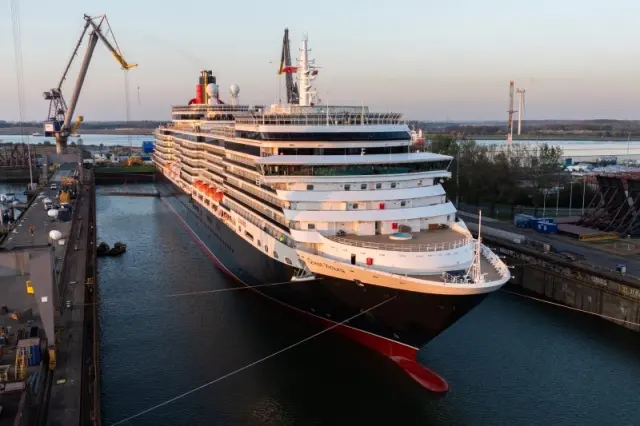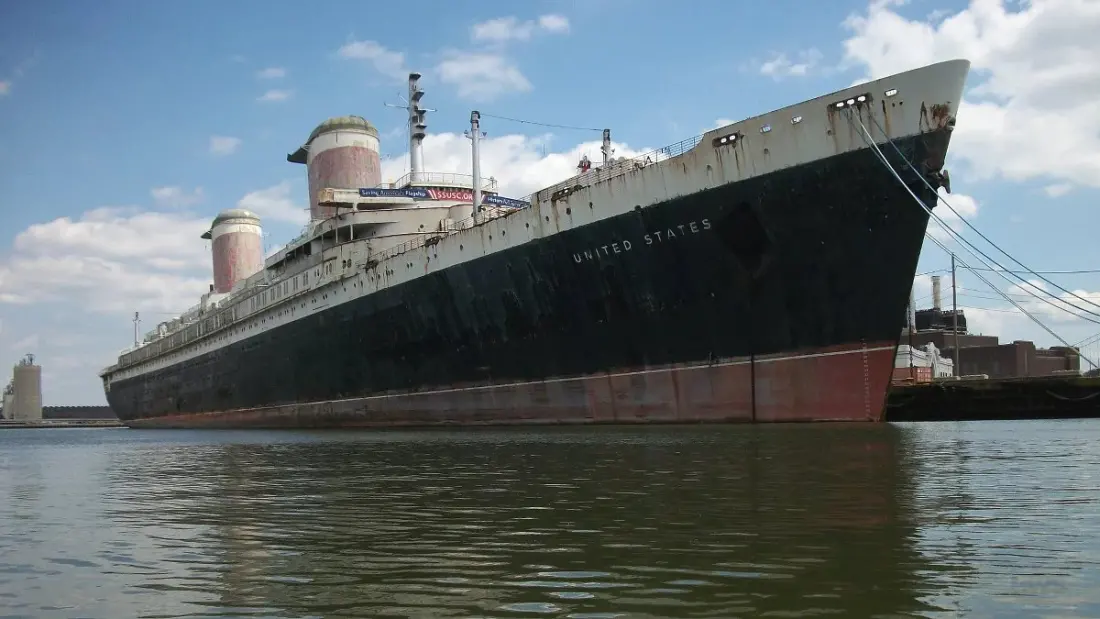
The SS United States spent its first life breaking records and its last going down on purpose. On Wednesday 11 November, the roughly 300-metre liner was deliberately sunk in the Gulf of Mexico off Destin, Florida, becoming the largest artificial reef in the world.
The ship was a genuine icon. On its maiden voyage in July 1952 it set a transatlantic speed record, and it ferried passengers between Europe and America for 17 years before being retired in 1969. After that came a long, slow decline: nearly three decades tied up on the Delaware River in Philadelphia while preservationists tried and failed to secure its future.
The rescue came in an unexpected form. Okaloosa County in Florida bought the vessel in 2024 with reef-creation in mind. In the weeks before the sinking, crews cut openings into the hull so water could flood in and the ship could settle upright rather than capsize. On the day, it took several hours for the liner to slip beneath the surface.
The wreck now sits about 55 metres down, with the upper decks around 17 metres below the surface — a depth range that works for both recreational and technical divers. Beyond diving appeal, the county expects the ship to act as fish habitat, attracting red snapper, grouper and amberjack, which should also please the area's fishing charters.
There's a shore-side element in the works too: the SS United States Conservancy and Okaloosa County are planning a museum near the departure points for dive trips, so non-divers can still get the story of the ship that once outran everything on the Atlantic.
Why it matters for travellers: Destin and the surrounding Emerald Coast just picked up a one-of-a-kind underwater attraction, and one that will only improve with age as marine life colonises the hull. Wrecks tend to draw fish quickly, so the diving and fishing could be rewarding within a few years. Even if you never get wet, the planned museum gives the Gulf Coast a new cultural stop tied to a genuine piece of maritime history.