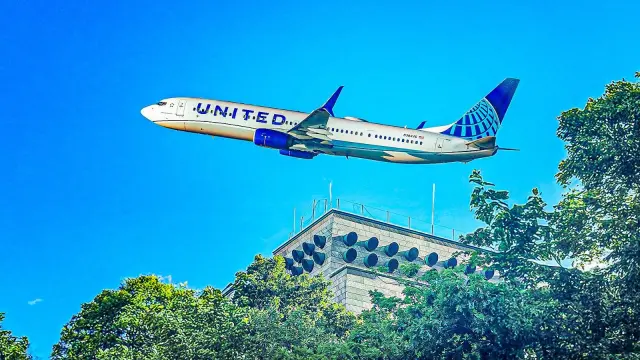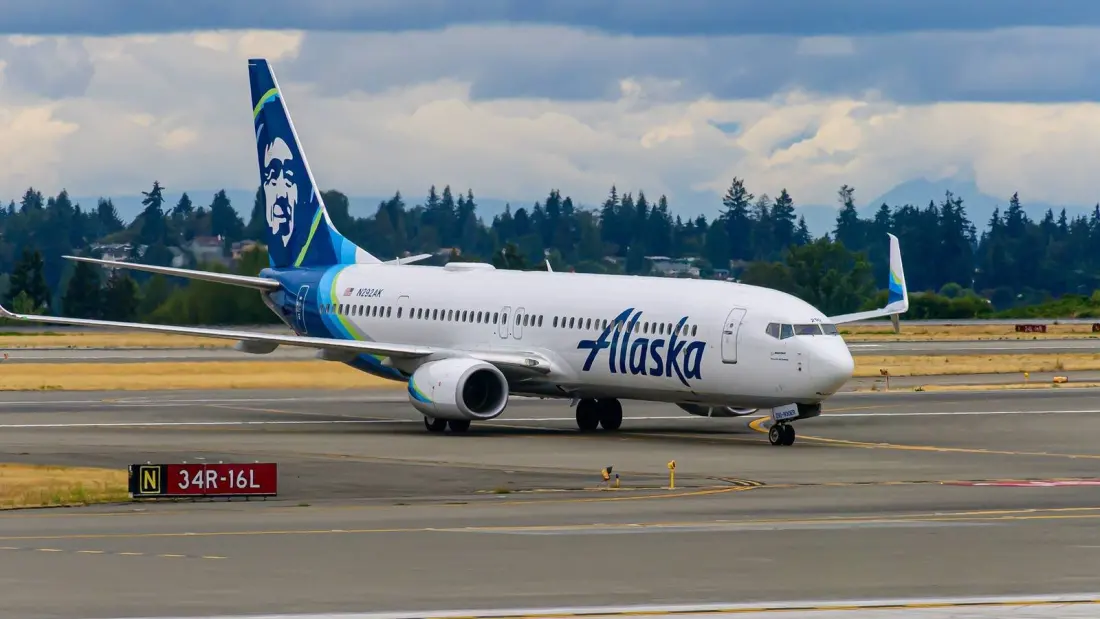
A flight from Dallas to Seattle turned into an uncomfortable overnight stay in central Washington State. Alaska Airlines flight AS322, a Boeing 737-900ER carrying 127 passengers, left Dallas Fort Worth at 6:56 PM on November 7 and was unable to land at Seattle-Tacoma because of bad weather. The crew diverted to Yakima Air Terminal, about 100 miles from Seattle, touching down safely at 9:25 PM.
That should have been a brief stop. But during refuelling, a faulty fuel indicator was discovered, and the aircraft was grounded until engineers could travel from Seattle to inspect it. Passengers waited on board for more than two hours before being let off around 12:15 AM, by which point the airline had reportedly stopped short of arranging hotel rooms.
Here's where it gets messy: a passenger says an Alaska representative initially offered rooms, then went home at midnight — and the airline ultimately declined to pay for hotels or meals, classifying the original diversion as weather-related and therefore outside its control. The Red Cross stepped in with cots, blankets, toiletries and baby formula. Horizon Air staff picked up a Taco Bell run, and locals brought breakfast burritos in the morning. Roughly 50 people slept in the terminal; the rest made their own arrangements. To add to the awkwardness, checked bags stayed on the plane and anyone who left the terminal couldn't re-enter, as the TSA area was unmanned. Around 4 AM passengers were moved out of the secure zone, with some sleeping in an unfinished office space. The plane finally left for Seattle at 2:02 PM the next day.
Why no hotel? Under Alaska's policy — standard across US carriers — free rooms and meals apply only to disruptions the airline controls, such as mechanical issues, provided you're at least 100 miles from home. Weather, ATC and similar events are excluded. The Yakima situation sits in a grey zone: the diversion was weather, but the overnight grounding was mechanical. New US Department of Transportation rules coming next year will formally exclude ten causes from airline responsibility, including non-deferrable unscheduled maintenance, which could shrink the number of situations where travellers get compensation.
Why does this matter for travellers? Because it shows the fine print matters. If your flight diverts and the airline balks at paying, know what you're entitled to before you give up — and keep receipts and names. It's also a reminder that diversion airports like Yakima aren't equipped for a plane-load of stranded guests: scheduled service there is just two daily Horizon flights to Seattle, and the airport has seen large diversions before, including two Delta flights with over 300 passengers in March that forced it to rethink its readiness plans.
If you're flying into the Pacific Northwest in storm season, a plan B isn't paranoia. Book a flexible hotel rate near your destination, keep essentials in your carry-on, and expect delays when Seattle's weather closes in — Yakima's tarmac has seen plenty of them.
Story first reported by Simple Flying.