Green travel used to be framed as a sacrifice. A new study from Trip.com flips that on its head: most people now see sustainable choices as a way to get more out of a trip, not less.
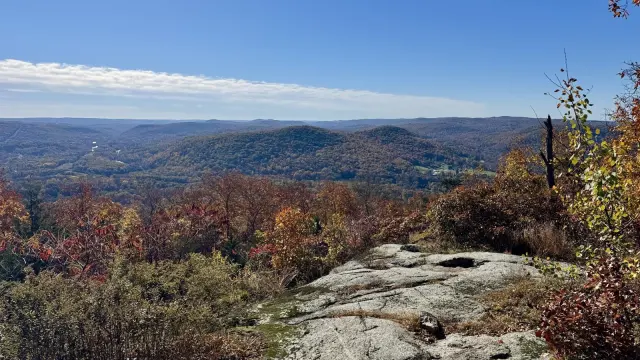
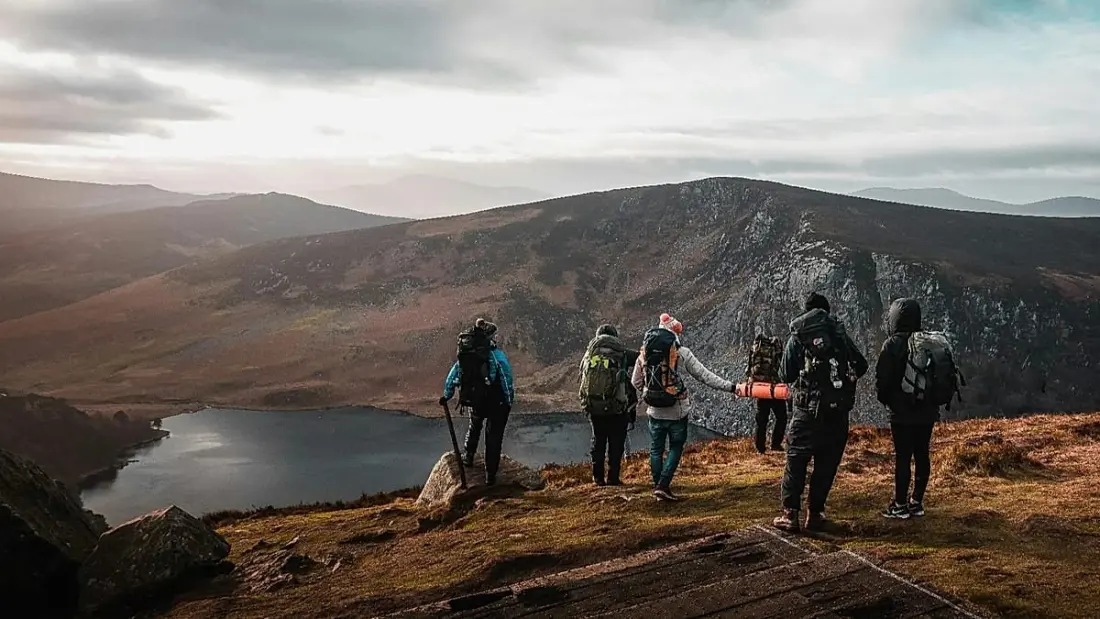
The Sustainable Travel Consumer Report surveyed 8,777 travellers across 29 countries and found that 75.4% consider sustainability important when planning a trip, while 56.8% deliberately pick greener options. The top choices that actually enhance the experience? Exploring nature and the outdoors (41.6%), scenic rail journeys (34.1%), and visiting lesser-known destinations with fewer crowds (32.7%). Staying in eco-minded hotels and travelling off-season followed close behind.
Weather is reshaping plans, too. After what one report called Europe's worst summer on record, 37.2% of travellers now weigh a destination's climate-disruption risk when choosing where to go. Nearly 30% have already delayed or rescheduled a trip because of extreme weather, 23.6% have shifted the timing of travel, and around one in five has swapped the destination entirely. On the flip side, good public transport and low-carbon ways of getting around make a place more appealing for 56% of respondents, and half are drawn to destinations that protect natural and cultural heritage.
The generational split is striking. For Gen Z, 44.3% say sustainability is "very important" to their travel decisions — roughly double the share of Boomers who say the same (23%). Younger travellers lean towards experience-led options like rail trips, outdoor activities and green-certified hotels, while older travellers care more about dodging crowds and shoulder-season travel.
Money remains the sticking point. Only a third of travellers (32.9%) would pay an extra 1-5% for sustainable travel. But nearly six in 10 Gen Z and Millennials say they would pay a premium — a sign, the report argues, that price sensitivity doesn't automatically mean refusing to spend more when the experience justifies it.
Why does this matter for your next holiday? Because the sustainable choice often is the better one. A scenic train beats a short-haul flight for views and comfort. An off-season trip means lower prices and shorter queues. A lesser-known town is usually cheaper, friendlier and less crowded than its famous neighbour. What the industry is calling sustainability, travellers are increasingly calling simply a good trip.