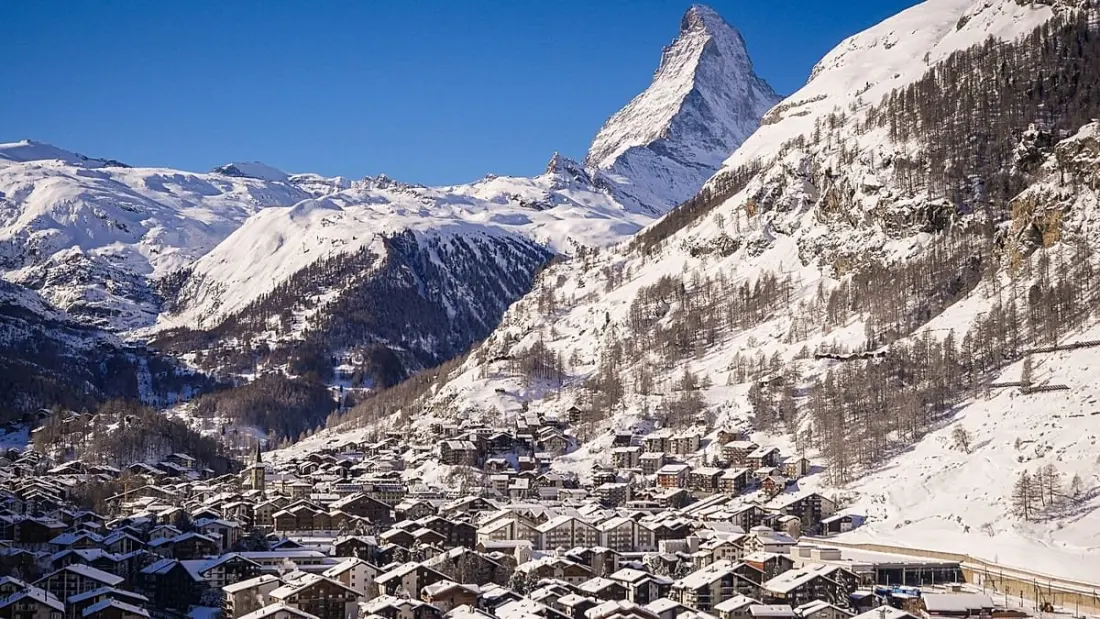
Winter in Europe isn't one trip — it's about ten different ones. A new round-up from Euronews Travel picks a continental spread of cold-season escapes, and the list is refreshingly varied: ski slopes, aurora skies, Christmas markets, thermal baths and even beach weather.
For skiers, Zermatt in Switzerland tops Trip.com's ranking of Europe's best resorts this year, with up to 360km of pistes in a linked Swiss-Italian ski area and lifts reaching the 3,883m Klein Matterhorn. Getting there is half the fun: the Glacier Express from St. Moritz bills itself as the slowest express train in the world, taking around eight hours to cover 291km of Alpine scenery.
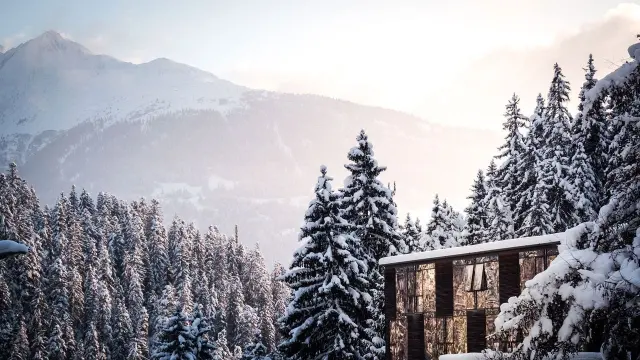
If walking beats skiing for you, Austria's Seefeld region near Innsbruck maintains 142km of groomed winter hiking trails, plus a five-day, 65km high-plateau route that links five villages while letting you sleep in the same bed each night. In a different climate entirely, Portugal's Madeira offers mild winter temperatures and levada walks through the UNESCO-listed Laurissilva forest — note that advance booking is now mandatory for classified trails, with access fees applying.
Christmas traditionalists have two strong contenders. Strasbourg, France, calls itself the Capital of Christmas and has the credentials to back it up: its market dates to 1570, spreads across the UNESCO-listed Grande Île, and comes with Alsatian biscuits and mulled wine. Bruges, Belgium, counters with canals, medieval architecture and arguably Europe's best hot chocolate — The Old Chocolate House and Olivier's are the names to know.
Chasing the aurora? Abisko in Swedish Lapland sits squarely in the auroral zone north of the Arctic Circle, where you can view the lights from Abisko National Park or the Aurora Sky Station, then try husky sledding or learn about Sámi reindeer-herding culture.
Prefer to skip the cold? Andalucía gets around 300 days of sunshine a year, making winter a smart time to see Granada's Alhambra and Seville's palaces without the crowds — and the Sierra Nevada offers skiing 30km from Granada if you want both. Athens works on the same logic: winter means manageable queues at the Acropolis and rainy-day backup in the National Archaeological and Acropolis museums.
Finally, two cities made for the season. Budapest pairs its Christmas markets (head to Vörösmarty Square for lángos and kürtőskalács) with the neo-Baroque Széchenyi thermal baths and one of Europe's oldest outdoor ice rinks. Vienna, meanwhile, is in full swing in winter: Mozart and Beethoven museums, State Opera performances, and ball season, where an evening of waltzing is the signature experience.
The takeaway for travellers is that the best-value and least-crowded window often falls after Christmas and into the new year, when markets wind down but slopes, baths, trails and museums keep going. City-break types should look at Vienna, Budapest and Athens; outdoors fans at Zermatt, Seefeld, Abisko and Madeira; and anyone chasing December atmosphere at Strasbourg and Bruges.