A Continental Divide Trail hiker is one week from the Mexican border, and the trail is throwing everything at them: a stalking cougar, chest-deep river crossings, and a surprise closure right at the finish line.
Writing from their expected final resupply stop, the thru-hiker reports fast progress through New Mexico, where flatter terrain and dropping elevations (from around 8,000ft down to 5,000ft) allow for big daily miles and warmer nights. The numbers so far are staggering: over 121,500 metres of cumulative elevation gain, the equivalent of climbing Everest nearly 14 times.
The dramatic moment came after dusk, when a pair of eyes in the bushes turned out to belong to a cougar rather than the usual deer. The big cat stalked the hiker for several minutes, matching every step from about 30 yards away and ignoring loud noises and banging trekking poles. The standoff ended peacefully, with the animal simply watching as distance opened up between them. Mountain lions are famously elusive on the CDT, with only paw prints (about four inches wide) hinting at their presence beforehand.
The tone shifted at Doc Campbell's Post, a hiker stop where three young cats and a dog demand attention and steal unattended food. Rainy weather bunched up the trail community too — 13 hikers ended up sheltering there in one day, including friends the hiker hadn't walked with since Montana.
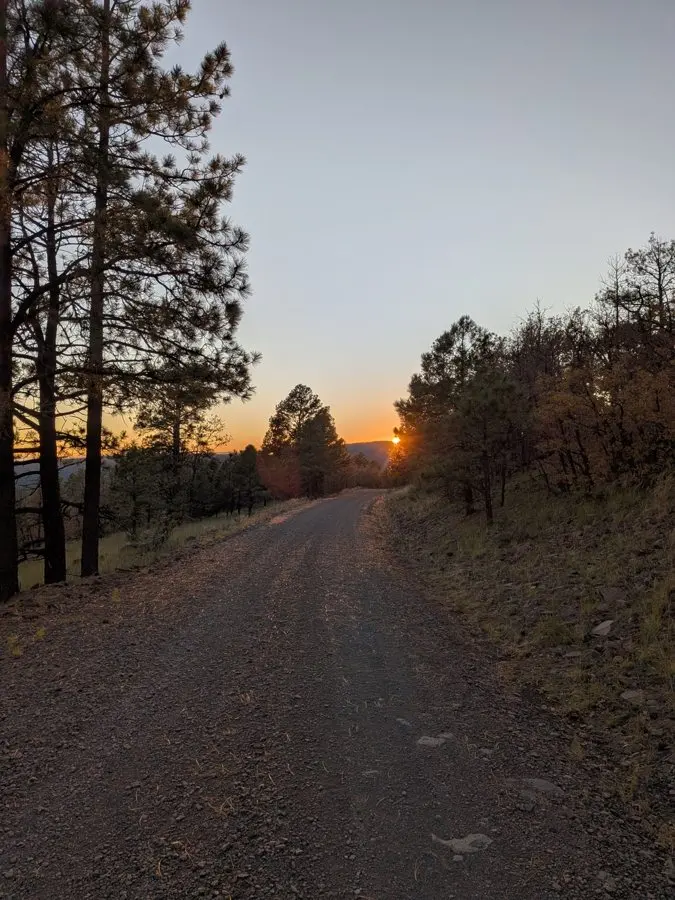
Two practical realities dominate this section. First, the Gila River: famous for over 200 crossings as it winds through a valley carved into volcanic rock, it has been running chest-deep after recent rains, pushing hikers onto the safer high route. That means long road walks of 20 or 30 miles across New Mexico, forced by private land and flooded fords — fast but punishing on the feet. The area rewards history buffs regardless, with petroglyphs and cave dwellings dating to the 1200s.
Second, the finish itself is in flux. The final two miles to the border terminus monument have closed temporarily for construction, leaving hikers to choose between ending early, finishing at an alternative border point, or waiting out the works — any of which could stretch the trek by another week.
For anyone dreaming of a long-distance hike in the American Southwest, this is a useful window into the CDT's final act: less alpine drama, more desert roads, river decisions and trail-town camaraderie. It's also a reminder that even at mile 3,000-something, wildlife encounters demand full attention — and a headlamp kept firmly on the eyes in the bushes.