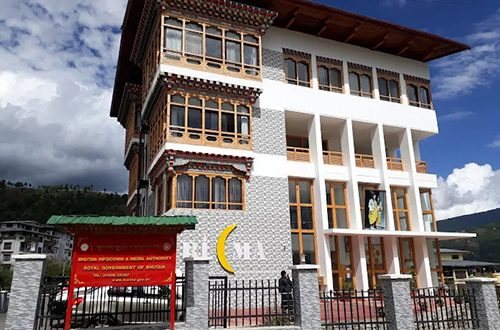
Bhutan's media regulator is rewriting its content rulebook in response to a trend most travellers would never associate with the country: extreme, sometimes humiliating stunts performed live on TikTok to rake in views and virtual gifts. The Bhutan InfoComm and Media Authority (BICMA) says it is overhauling its Content Rules and Regulations, with a revised version expected in 2026.
The problem is a familiar one globally — creators chasing attention with escalating shock tactics — but it has landed in a country of fewer than 800,000 people where live streaming has also brought genuine benefits, from creative expression to income in the digital economy. BICMA's position, spelled out by an official, is that digital creativity has to sit alongside responsibility, respect and Bhutanese social values.
Live broadcasts are tricky to police because they reach big audiences instantly and often vanish before anyone can review them. So the authority leans on public complaints plus active monitoring, and has already warned several creators involved in what it describes as extreme punishment shows.
The updated rules will draw hard lines: broadcasts featuring self-harm, cyberbullying, harassment or sexual exploitation will be explicitly banned. The framework will also let BICMA legally compel platform operators to build in safeguards such as age-assurance tools, parental controls and content filters. A multi-agency Rapid Response Team has been set up to move quickly on high-risk online threats.
There's a limit to what a small national regulator can do, though. Global platforms run their moderation from outside Bhutan, so the authority can't pull content on its own — officials admit jurisdictional and technical hurdles slow down enforcement. The public is being asked to use in-app reporting tools, avoid amplifying harmful clips, and escalate anything criminal — defamation, threats, severe harassment — to police. Once the rules are endorsed, a nationwide digital literacy campaign will target young users and aspiring creators.
Why does this matter to travellers? Bhutan markets itself carefully — a high-value, low-volume destination that filters tourism through a Sustainable Development Fee and daily package rules. Seeing the state apply the same deliberate, values-first thinking to its digital spaces is a reminder that this is a country that curates its modernity as attentively as its mountain trails. For visitors, it also means streaming your trek to Tiger's Nest or a festival in Thimphu comes with a cultural expectation: post respectfully, and know that locals are navigating new rules about what's acceptable online.
Anyone heading to Bhutan in the next couple of years should also be aware that connectivity, once famously limited, is now good enough that live streaming is a mainstream pastime — and a regulated one. Keep your content travel-focused, ask before filming people, and you'll have no issues.