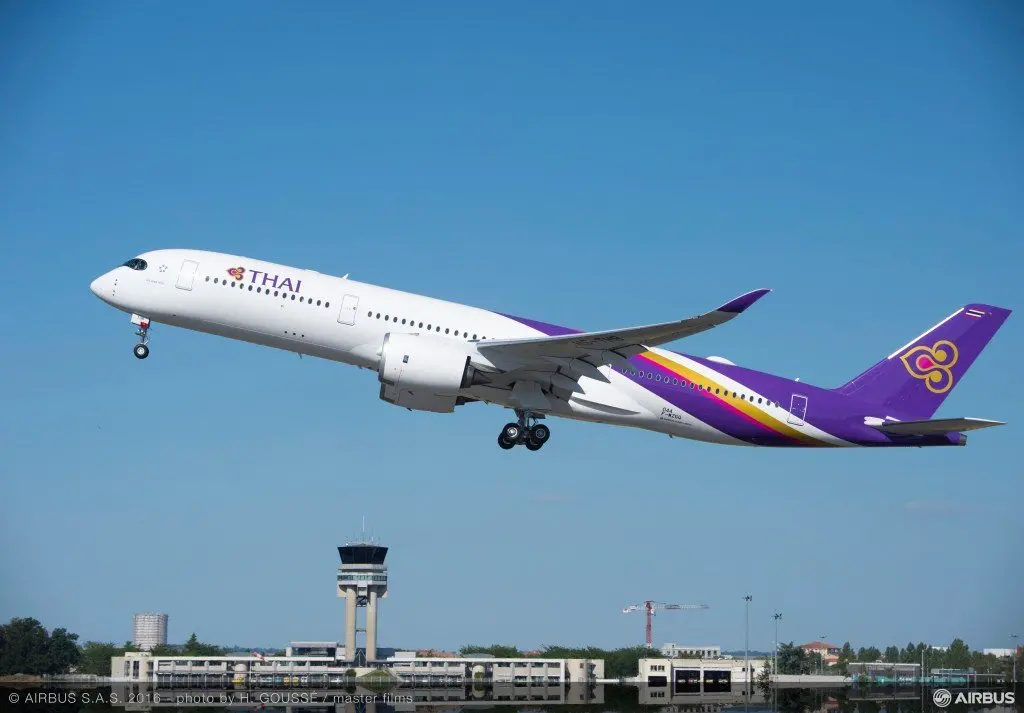
Thai Airways posted a net loss of 418 million baht (about $12 million) for the third quarter, despite revenue climbing 13%. The culprit was simple: jet fuel prices surged roughly 60% over the period, wiping out the gains from stronger sales. Finance chief Cherdchome Therdsteerasukdi told investors the airline's priority for 2027 is cost control, starting with fuel, and that the aim is to protect operating profit even if oil stays expensive. He flagged that if current prices become the norm, the third quarter could serve as a reference point for how bad things get.
The timing is awkward. The carrier has been without a permanent chief executive since early October, operating under an acting leadership while the board works through the selection process. A permanent appointment is expected to be confirmed by December, and whoever takes the job inherits a fuel problem that no reorganisation can fully solve.
For travellers, the immediate picture is mostly unchanged: Thai Airways continues flying its full network, including Bangkok's busy Suvarnabhumi hub connecting Europe, Australia and across Asia. But there are things worth watching. Airlines under financial pressure often respond with capacity cuts, fare increases or fuel surcharges, so if oil stays elevated, ticket prices on Bangkok routes could creep up through 2027. Frequent flyer members with Royal Orchid Plus miles should also keep half an eye on developments, since loyalty schemes are often the first place struggling carriers look for cash. On the flip side, a long-haul Thai Airways ticket remains one of the better-value ways to reach Southeast Asia, and any weakness in bookings could mean fare sales as the airline fights to protect its load factors.
The leadership vacuum matters too. A permanent CEO by December should bring clarity on route strategy and fleet plans, which in turn shapes what schedules look like for next year's high season. Until then, travellers booking far ahead on the airline may want to keep itineraries flexible.
The bottom line: Thai Airways isn't going anywhere, and flights are operating as normal. But rising fuel costs plus a leadership transition mean pricing and capacity decisions are up in the air for 2027 — a good reason to book Bangkok trips early and watch for surcharges before you commit.