The Appalachian Trail Conservancy is accepting applications for its 2027 Artist in Residence program, and the deadline is tight: artists in any medium have until January 3, 2027 to pitch what they'd do with time on the trail.
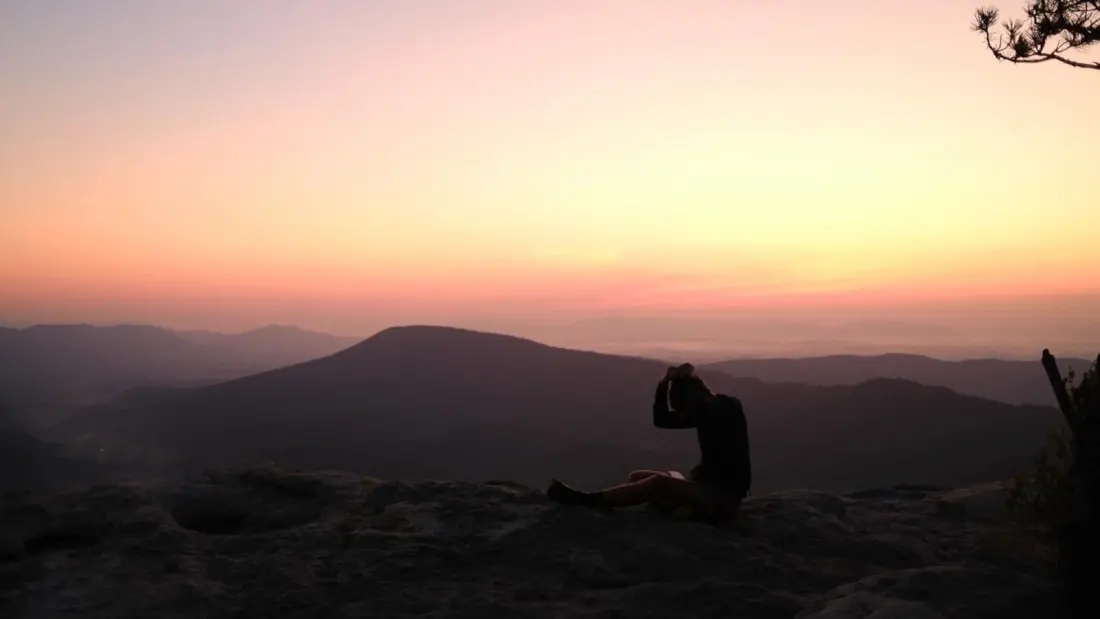
The program only exists because one hiker asked. Philadelphia metalsmith Mallory "Bullseye" Weston, who had already logged miles on the John Muir Trail, Pacific Crest Trail and Tahoe Rim Trail, sent a cold email to the ATC suggesting a residency. Within hours, Dakota Jackson, the Conservancy's senior director of visitor engagement, replied to set up a meeting. The timing worked: the ATC was heading toward its 2025 centennial and, as marketing associate vice president Caroline Ralston admitted, had nothing on offer for creatives. Weston volunteered as the guinea pig, and last year set out from Georgia as the program's pilot resident.
Her approach is a useful template. Metalsmithing doesn't travel — there's no hauling a forge up Springer Mountain — so Weston treated the hike itself as research. She carried a camera and a journal, shot thousands of photographs and documented details like trail blazes and a pile of butterfly wings. Back in her Philadelphia studio, she's distilling five months of material into finished work. Before she even started, she designed an enamel pin for the trail's centennial, and one encounter in particular is becoming a piece: a field of pink lady's slipper orchids she stumbled across alone after her husband, who'd hiked the first week with her, flew home. She calls the flower's odd, beautiful pouch shape a "one to one translation" into her work. Her PCT experience hints at where this goes — 454 miles of that trail became 30 titanium brooches shaped like paracord, their colours shifting with her mood each day.
The 2027 residency is flexible. It includes a modest stipend for transport and lodging for trail-related events, plus a two- to four-week stay at Monson Arts in Maine — the last town northbound hikers see before the 100-Mile Wilderness. You don't need to thru-hike like Weston; a section hike or time in a single trail town works too. Applications require a CV, five to 10 work samples, an artist statement and a proposal explaining what you make, what the trail might add, and how you'd share it publicly — talks at visitor centres, for example, were part of Weston's deal.
Even if you're not applying, it's a fresh angle on a famously demanding trail: proof you can engage with the AT through sketchbooks, cameras or poetry rather than a 2,190-mile slog. For artists who hike, this is a genuinely rare funded opportunity — and for everyone else, Weston's story is a reminder that a cold email to an organisation you care about occasionally works.