The Marshall Islands has secured $US11 million in emergency financing from the World Bank Group, released as the low-lying Pacific nation deals with two overlapping crises: deteriorating El Nino conditions and a dengue fever outbreak.
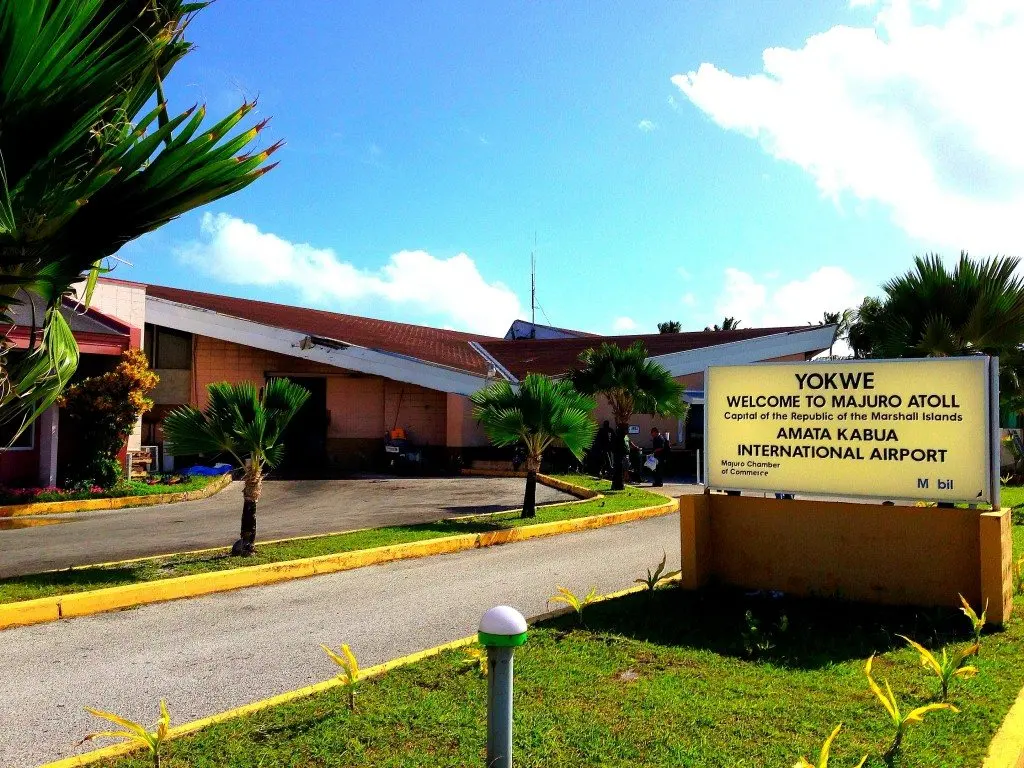
The funds were unlocked shortly after the government declared a State of Emergency on October 8, 2026. El Nino has brought hazardous winds, heavy ocean swells and increasingly dry weather, threatening water supplies, food security and livelihoods across the scattered atolls. At the same time, dengue cases in Majuro, the capital, and Ebeye have stretched health services and government budgets.
The money came through the country's Catastrophe Deferred Drawdown Option, a pre-arranged mechanism that lets governments tap cash quickly during qualifying emergencies. It followed an official request from the government and an earlier $US3.6 million activation under the World Bank's Contingent Emergency Response Project earlier this year — the first time any country in East Asia and the Pacific had triggered that facility, in response to a fuel crisis.
Finance Minister David Paul framed the payout as proof that advance planning pays off, saying preparation allowed the government to respond fast and keep essential services running. World Bank Pacific Director Tatiana Proskuryakova noted that the twin emergencies were weighing on families and the services they rely on, and the Bank said it will keep supporting disaster risk management and public financial management in the country.
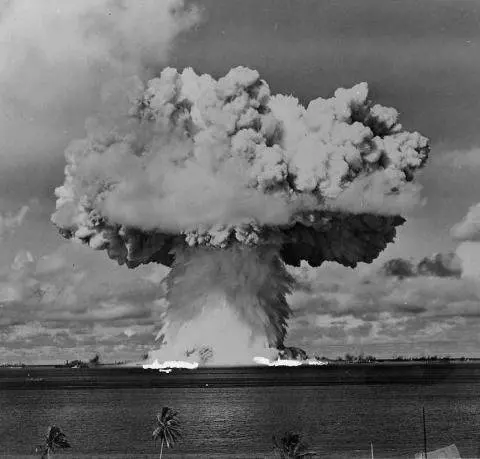
For travellers, the practical takeaway is straightforward: conditions in the Marshall Islands are currently strained. Dry weather means water conservation measures may be in place on Majuro and Ebeye, and dengue — a mosquito-borne illness — is an active risk in urban centres. Anyone planning a visit should check current health advisories, pack and use insect repellent, and expect that local services and supplies may be less reliable than usual while the emergency response is underway. The Marshall Islands rarely appears on mainstream tourist routes, but it draws divers, history buffs (the WWII wrecks and Bikini Atoll diving sites are world-class) and visitors to family and church networks across the diaspora, so this matters for a small but real group of travellers.
The story is also a useful case study in how small island states are using pre-arranged disaster finance to blunt the impact of climate and health shocks — increasingly relevant across the Pacific as El Nino cycles intensify.