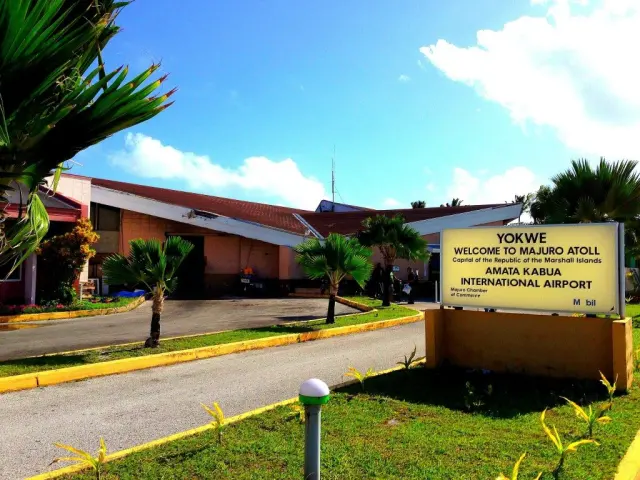
A quiet changing of the guard in Majuro could shape how the Pacific's most valuable resource is run for years to come. Glen Joseph, who has led the Marshall Islands Marine Resources Authority (MIMRA) for 21 years, is stepping up to become chief executive of the Parties to the Nauru Agreement (PNA) Office from 1 January 2027, taking over from Dr Sangaa Clark. PNA fisheries ministers endorsed his nomination when they met in Majuro this week.
The PNA is not a household name, but it punches far above its weight: its eight member nations control the waters where more than half of the world's skipjack tuna is caught. Its big innovation, the Vessel Day Scheme introduced in 2008-09, capped fishing effort rather than vessel numbers — and helped lift member revenues from around US$60 million a year to roughly US$500 million by the 2020s, according to the source report. Joseph was one of the trio behind creating the PNA Office itself, which opened in Majuro in 2010.
His record at MIMRA explains why ministers backed him. Under his watch, the authority co-founded Pacific Island Tuna with The Nature Conservancy, landing a supply deal with Walmart that is now in its fourth year — a rare break into the US market for Pacific-caught tuna. Marshall Islands is also on the cusp of EU certification to export marine products after a six-year push, which would make it the fifth Pacific nation with that status after Papua New Guinea, Fiji, Solomon Islands and Kiribati.
There's a conservation thread worth noting for anyone drawn to the remote Pacific. MIMRA's partnerships with National Geographic's Pristine Seas and the Ocean Exploration Trust have driven deep-ocean surveys across the country, and supported the declaration of the Marshall Islands' first National Marine Sanctuary around the uninhabited Bikar and Bokak atolls — waters few outsiders will ever see, now formally protected.
Why does this matter to travellers? Tuna sustainability, anti-illegal-fishing enforcement and marine sanctuaries are the same forces that determine the health of the reefs, lagoons and fisheries visitors encounter across Micronesia and Polynesia. Who runs the region's fisheries shapes what the ocean looks like a decade from now. Source: Islands Business.