No single-aisle jet has quite matched the Boeing 757, and as the last passenger examples wind down with carriers like Delta — down to roughly 86 airframes by late 2026 — it's worth remembering why this aircraft earned such loyalty from crews and airlines alike.
Born in the late 1970s as a replacement for the Boeing 727, the 757 quickly outgrew its short-haul brief. Boeing paired a clean supercritical wing with seriously overpowered engines — the Rolls-Royce RB211-535 or Pratt & Whitney PW2000, each producing up to 43,500 pounds of thrust. The result was a jet that climbed so steeply after takeoff that pilots nicknamed it the "homesick angel." That power mattered in the real world: the 757 could depart hot, high-altitude or obstacle-constrained airfields at full weight, and cruise faster and higher than rival narrowbodies, shaving minutes off transcontinental routes.
Its second act came in 1986, when the FAA approved 120-minute ETOPS for Rolls-Royce-powered 757s, extended to 180 minutes by 1990. That regulatory green light let twin-engine narrowbodies cross the North Atlantic, and suddenly routes from Shannon, Edinburgh and Lisbon to New York JFK and Boston became viable with 200 seats instead of 350. The 757 effectively invented the point-to-point transatlantic model that today's Airbus A321XLR is built on.
A quieter genius lay in its doors. With an L2 door just forward of the wing root, airlines could board and unload through two cabin entries at once — a huge advantage for the stretched 757-300, which carried up to 295 passengers in single-class layout. Faster turnarounds meant more daily flights from the same airframe.
So why is it disappearing? Fuel economics. The low-bypass engines that gave the 757 its muscle burn far more per seat-mile than modern geared turbofans, and airframes past thirty years face heavy structural checks and scarce spare parts. Most airlines would rather put capital into jets with double-digit fuel savings.
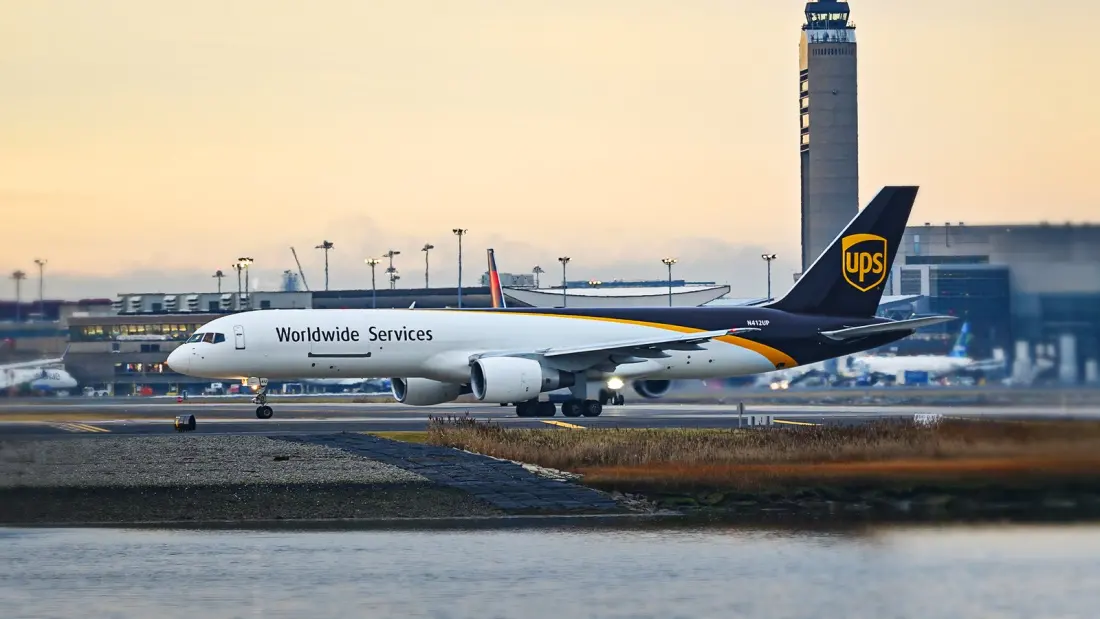
But the type isn't vanishing entirely. United still flies its 757s from constrained hubs like Newark and Denver, where the jet's payload-range mix suits thin premium routes perfectly. And hundreds more live on as freighters — FedEx, UPS and cargo firms value its ability to swallow up to 15 full-size pallets, a lift capacity sitting neatly between turboprops and widebody freighters.
For travellers, the 757's story explains a lot about today's route map: those secondary-city transatlantic flights you take on a narrowbody exist because of this aircraft. If you get the chance to fly on one before the passenger fleets are gone, do it — you'll board quickly through two doors, enjoy a roomy cabin for a single-aisle jet, and experience a cruise that was genuinely quicker than its competitors. No replacement has quite replicated the package, which is exactly why the 757 remains an icon even as it exits stage left.
Credit: Simple Flying