Spain is in national mourning after a high-speed train collision near Toledo killed at least 69 people and injured more than 180, in one of the country's worst rail disasters in decades.
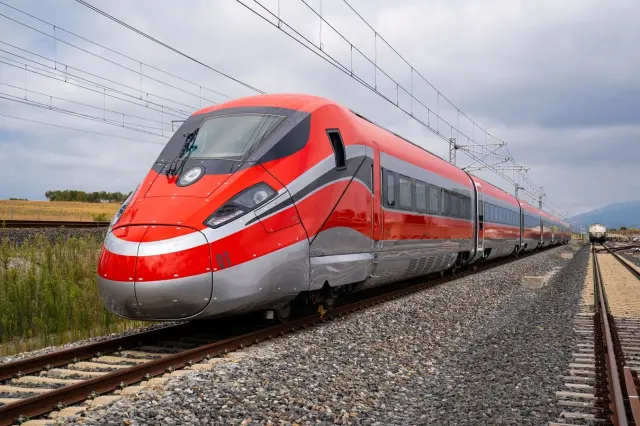
The crash happened at 8.53am on Wednesday, when a RENFE AVE high-speed train slammed into the rear of a stationary Iryo service near Los Yébenes, close to Urda in the Toledo province of Castilla-La Mancha. Some 544 passengers were on board the two trains — 397 on the AVE 2080 and 147 on Iryo's 6076. Emergency services have since been working through the wreckage, with heavy cranes lifting damaged carriages to search for anyone still trapped. More than 1,300 personnel from the fire services, Military Emergencies Unit, National Police, Guardia Civil and Civil Protection have been deployed to the site.
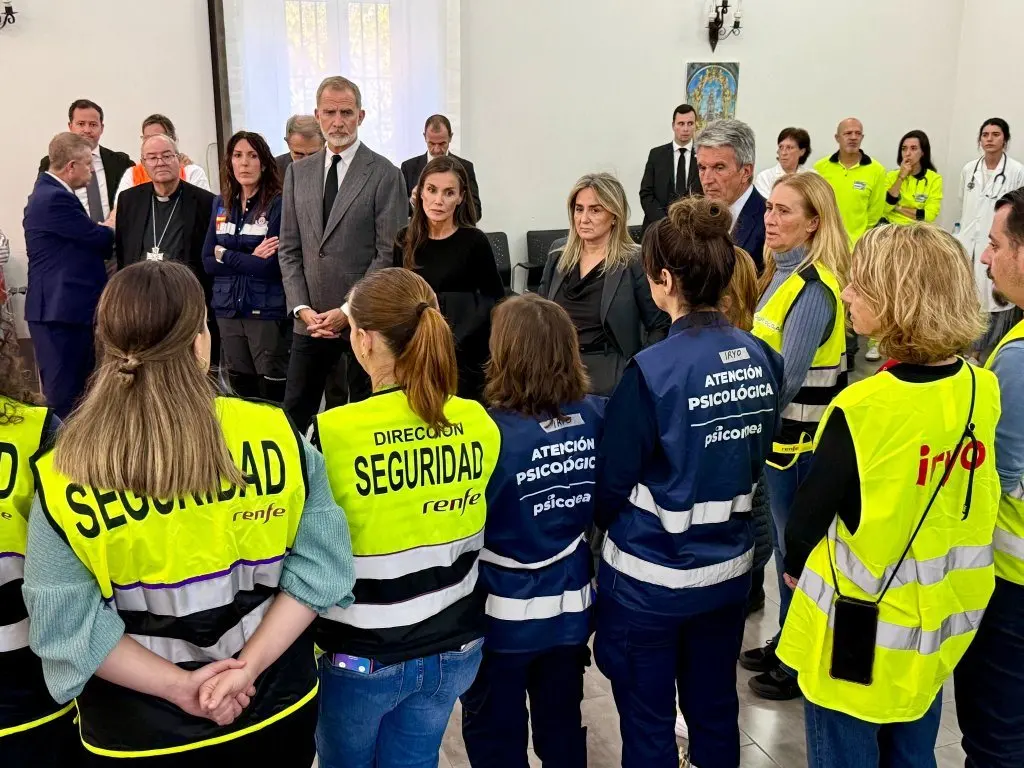
On Thursday afternoon, King Felipe VI and Queen Letizia visited injured passengers and bereaved families at Toledo University Hospital. The king expressed his 'anguish and sadness' and pressed for a full account of what went wrong. 'There is, evidently, an investigation under way; it must determine how and why this catastrophe happened,' he said, adding that measures must be put in place 'to ensure this does not happen again'. He also thanked emergency responders and medical staff caring for the injured. Spain began three days of official mourning on Thursday, and the Royal Household has cancelled upcoming engagements, including events in Madrid and the Canary Islands.
More than 50 patients remained in hospitals across Castilla-La Mancha and Madrid on Thursday afternoon, 15 of them in a very serious condition. Forensic teams — 25 doctors at Toledo's Institute of Legal Medicine, supervised by the court in Orgaz — are working to identify the dead.
Among the first victims named were Fátima Báñez, employment and social security minister from 2011 to 2018 and later head of the CEOE employers' foundation, who was travelling to a business event in Seville; José Manuel Chacón, a 31-year-old Guardia Civil officer from Seville; Julieta Gallego Gámez, a 24-year-old long jumper from Madrid; and Antonio Montero Domínguez, a senior former tax official.
Questions are mounting about how the collision was allowed to happen. Early reports suggest restart orders were given while the Iryo driver was still reporting his train as stopped, and the Transport Minister has described the decision to let the AVE proceed as 'inexplicable'. Rail safety and accountability have now moved to the centre of the country's election campaign.
For travellers, the immediate impact is disruption on Spain's high-speed rail network, a backbone of domestic travel between Madrid, Andalusia and the south. Anyone holding RENFE or Iryo bookings in the region should check operator updates before setting out, as investigations and recovery work continue. The broader question — how such a collision could occur on a modern high-speed line — will shape confidence in Spain's rail network for some time.
Original source: Spain in English