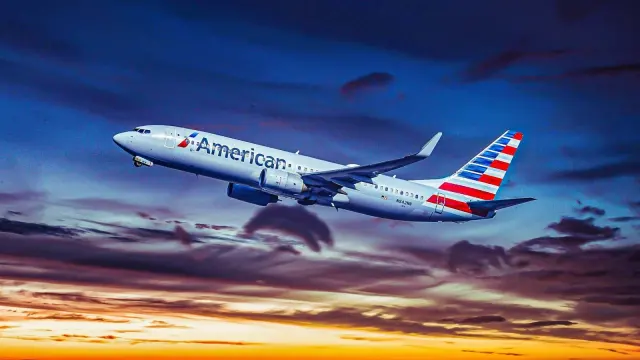
With American Airlines quietly retiring first class from its Boeing 777s, a milestone has passed: not a single US carrier now offers a genuine international first class cabin — the kind of product that sits above business class on long-haul routes, as flown by Singapore Airlines, Air France, Lufthansa and SWISS.
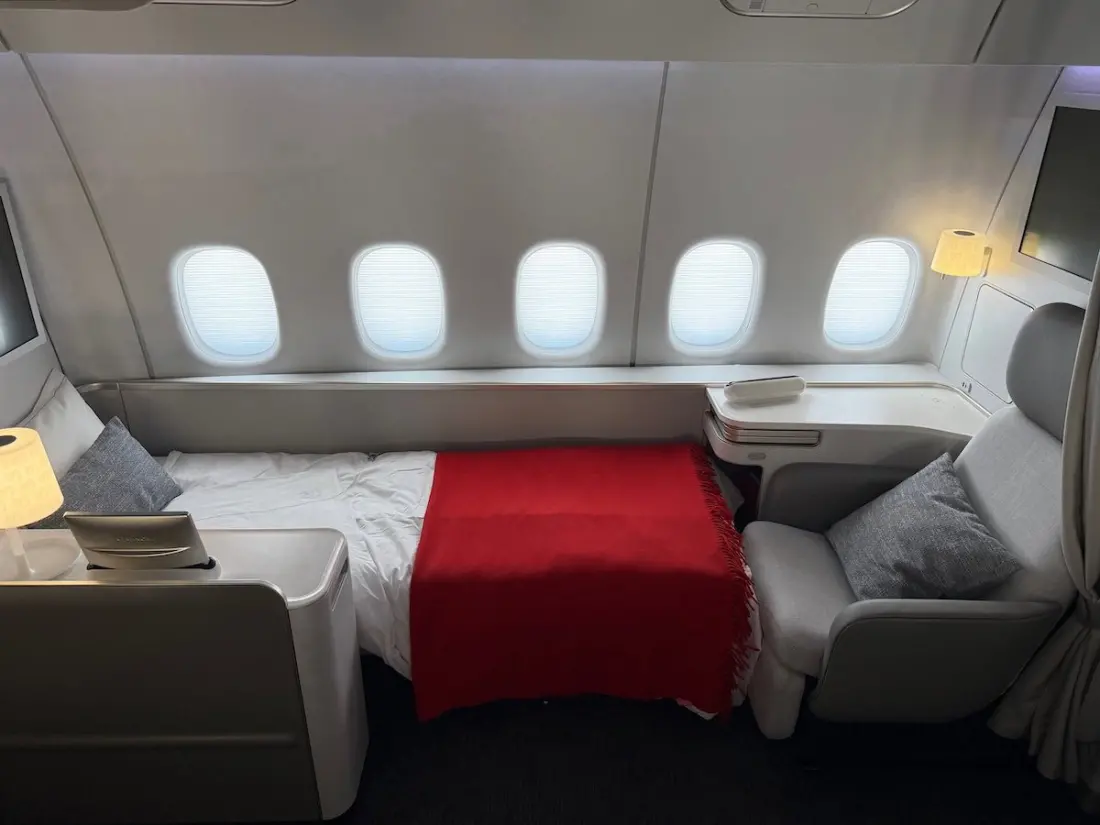
That's a strange position for an industry that pioneered premium flying decades ago, and stranger still given where first class actually sells. For the European and Asian airlines that still run it, the biggest market for these cabins is the United States. Air France says its La Premiere suite is more profitable than ever, built on a simple formula: lavish spend on the passenger, lavish fare in return, plus a ground-and-air experience designed to feel as close to private aviation as possible.
So why can't US carriers make the same maths work? The argument runs that their first class was never really a product — it was an upgrade bin. Cabins were oversized (American once flew 777-200ERs with 16 first seats), the soft product wasn't differentiated enough to justify a five-figure fare, and service quality was inconsistent. Then there's the perks problem: first cabins at US airlines filled up with employee travel and cheap redemptions, so the people paying actual money rarely got the exclusivity they were buying.
The counter-argument, laid out in this analysis, is that first class could work at a US airline if it were done as a boutique play rather than a flagship afterthought. The blueprint: one row of four seats, fitted only on aircraft flying routes with real point-to-point demand — New York and LA to London and Paris, San Francisco to Singapore and Hong Kong — with no upgrade access, no bargain awards, no staff seats, and genuinely concierge-level ground service, including premium terminal access where available. The economics are less daunting than they look, since the real cost is only the cheapest economy fares those seats would otherwise have sold — and transatlantic economy demand is weak much of the year anyway, with premium traffic carrying the route.
For travellers, the practical takeaway is simple: if you want to fly true international first class, you'll be doing it on a foreign carrier. That's arguably good news — Air France, SWISS, Lufthansa and Singapore are all investing in new first products right now, and they'll be competing hard for American wallets. For US frequent flyers, the gap does raise an awkward question about all the 'premium' talk from domestic carriers: the world's richest customer base is right there, and someone else is serving it.
Whether any US airline revisits first class is doubtful — staffing it with consistently excellent crew is the hard part — but the story is a useful lens on how far apart US long-haul products and the global top tier have drifted.