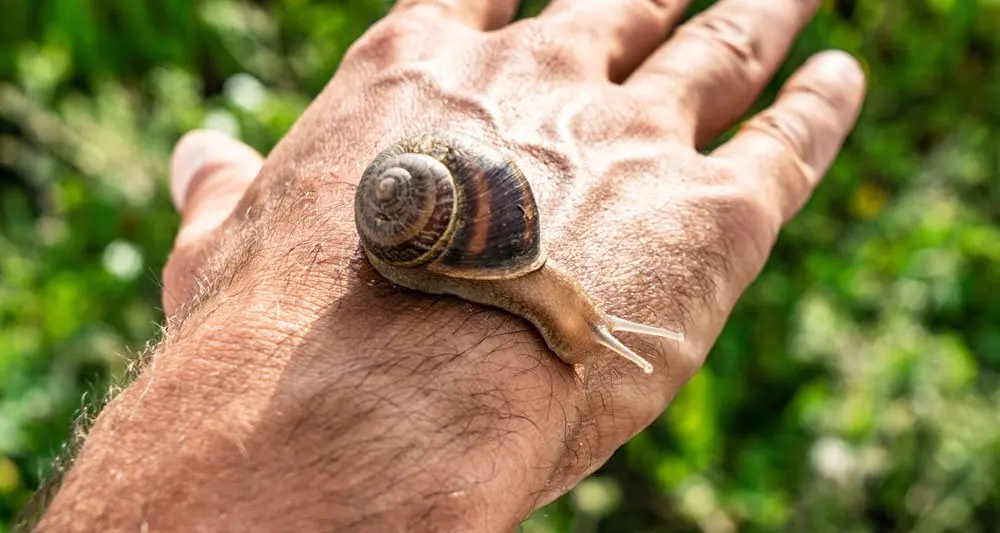
In the rolling hills of Alta Valdera, between Pisa and Volterra, a family farm in the village of Capannoli is quietly championing one of Italy's oldest and most overlooked ingredients: the snail. Arcenni, run by Antonia Arcenni for the past decade, breeds snails across two to three and a half hectares of enclosed outdoor grounds, with another three to four hectares of sunflowers, cabbages and rapeseed grown to feed them. Everything happens outside, from breeding to harvest, with no pesticides or chemical inputs — the animals even wake from hibernation to a home-grown salad bar.
Antonia's mission is to revive an ingredient Italians have loved and dismissed in equal measure over the centuries. Tuscany, like much of the country, has always eaten snails; the gap is modern squeamishness, not tradition.
And the tradition runs deep. Snails have been eaten on the Italian peninsula since prehistoric times, and the ancient Romans farmed them in purpose-built enclosures. Apicius's Roman cookbook, De re coquinaria, dedicates an entire chapter to them, including instructions for fattening the creatures on milk, frying them, and serving them in a sauce of wine and fermented fish. In other words, today's heliciculturists are continuing a project that is roughly two millennia old.
Why should this matter to a traveller? Because Tuscany's food reputation tends to stop at bistecca, pecorino and chianti, and the countryside holds far stranger and more interesting tables than the guidebooks suggest. Small producers like Arcenni are part of Italy's wider slow-food culture: low-impact farming, native ingredients, and recipes that never left the village. A plate of local lumache — usually braised slowly with garlic, chilli, wine and tomato — is a genuinely regional experience you will not find in a Florence tourist trattoria.
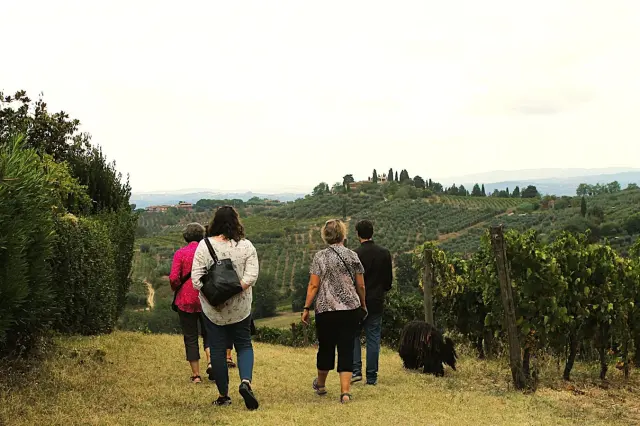
The Valdera area itself is a rewarding detour for anyone chasing a quieter Tuscany. It is wine country and olive country, dotted with hill towns and within easy reach of Volterra's Etruscan sites. Farms in the region often sell directly to visitors, so combining a tasting or farm visit with a drive through the hills is an easy half-day itinerary. If you have ever dismissed snails as a dare rather than a delicacy, eating them at the source, a few metres from where they were raised, is the way to change your mind.
For food travellers, this is the kind of story that rewards curiosity: an ancient Roman staple, kept alive on a Tuscan hillside by a family that thinks it deserves a second act on the Italian table.
First reported by Roads & Kingdoms.