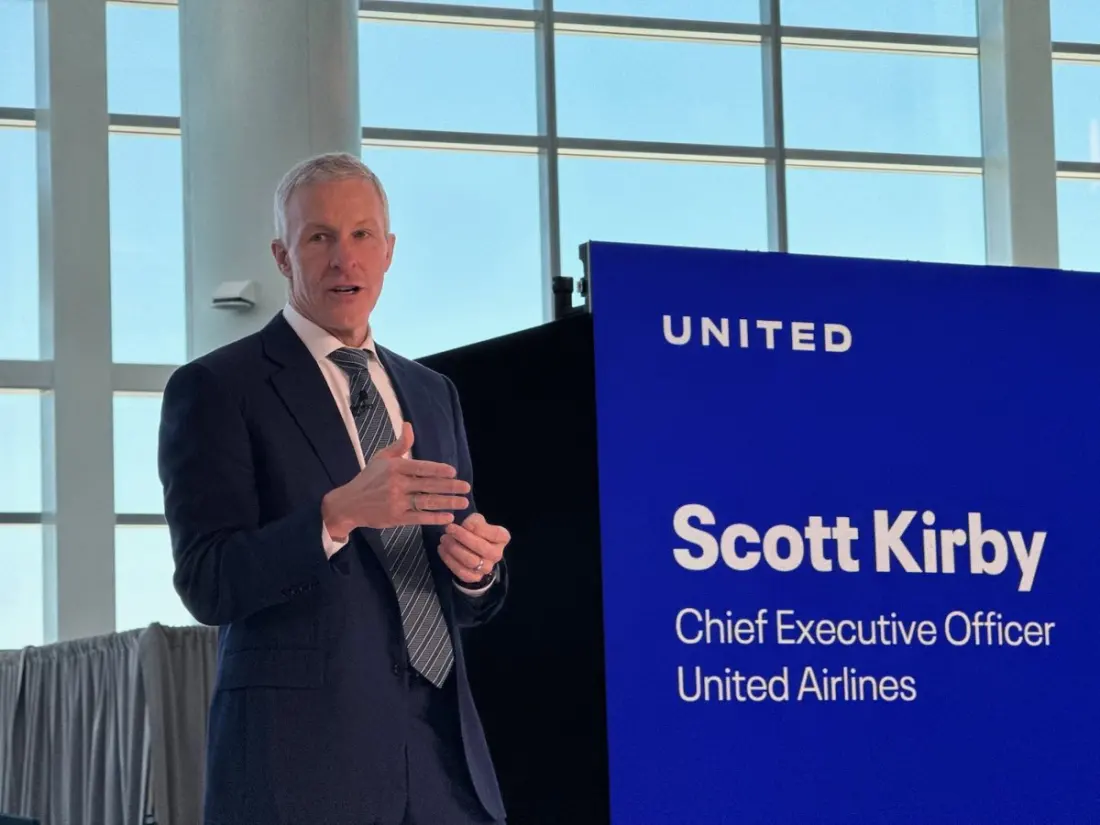
After the nationwide FAA ground stop that scrambled travel plans across the United States, United Airlines CEO Scott Kirby sent a video message to staff that mixed genuine warmth with a controversial verdict. He praised crews for what he called the best recovery among large US carriers, then declared the air traffic control failure was 'nobody's fault' — a framing that has already drawn pushback.
The human moment at the centre of his message was a photograph of a United crew helping a mother with three exhausted young children through the airport, carrying kids and pulling luggage after a long delay. Kirby singled it out as exactly the kind of behaviour he wants to define the airline: making travel easier for parents, and empowering staff to do the right thing. He also noted United's customer satisfaction scores stayed remarkably positive through the disruption.
On the systemic side, Kirby said he had been on the phone with administration officials and congressional leaders from both parties, arguing that decades of neglect built the problem and that money alone won't solve it. His headline ask: let airlines 'inside the tent' so private-sector operational experience can shape the modernisation of air traffic control. He stopped short, however, of any specific governance proposal.
That vagueness is one of the sticking points. Critics, including the original source's author, accept that the infrastructure decay is bipartisan and decades old, but argue 'nobody's fault' goes too far. New reporting has raised questions about contractor supervision and changes to the FAA's maintenance approval process ahead of this specific failure — and those questions still need answers. There's also an awkward irony: a private contractor was already involved in the work at the heart of the meltdown, so private-sector participation is no guarantee of competence.
Why should travellers care? Because these outages are not one-offs. Aging radar, understaffed facilities and fragile tech mean more ground stops are possible, and who gets a seat at the table when the system is reformed will shape how often your flight is cancelled. Kirby's instinct to depoliticise the fix is fair; the counterargument is that without an honest accounting of what failed, the same failure can happen again.
The encouraging part for passengers: when things do go wrong, frontline crews can still make or break the experience. A delayed departure is survivable when someone helps carry a sleeping toddler.