Guatemala has some of the most entrenched criminal structures in Central America, and they are not the street-gang variety you might expect. The country's dominant players are so-called transportistas — smuggling networks descended from border traders who have moved contraband through Guatemala's largely ungoverned territory for decades. Once dominated by family clans like the Mendoza, Lorenzana, Ortiz López and León families, the trade was broken up in the 2010s into smaller, quieter logistics outfits that shuttle cocaine north for Mexican and Colombian cartels. The Sinaloa Cartel remains entrenched through alliances, and the CJNG has recently partnered with local groups, while the ultra-violent Zetas briefly controlled key trafficking routes before their collapse around 2011-2012.
The geography helps explain why. Guatemala has 400 kilometres of coastline — mostly Pacific — plus a mountainous interior and the remote jungles of the north-east, making it a natural warehouse and transit corridor for drugs. Marijuana grows nationwide, poppy thrives at high altitudes near the Mexican border, and since 2018 security forces have been finding increasingly large coca plantations in Izabal, Petén and Alta Verapaz. Crime extends well beyond narcotics: kidnapping, extortion, arms trafficking, illegal adoption rings, human trafficking and environmental crimes all flourish.
The roots run deep. A 36-year civil war that began in 1960 killed an estimated 200,000 people and displaced over a million, most of them rural indigenous Guatemalans — who make up nearly 44 percent of the population. A UN truth commission found the government and its civilian militias responsible for the vast majority of deaths. During the conflict, military and police officers moved from petty corruption into drug trafficking, and thousands of clandestine airstrips — many in Petén — moved illicit goods north.
The 1996 peace accords failed to fix the fundamentals. The new police force absorbed thousands of officers from the old corrupt force, the shrinking army lacked training for domestic law enforcement, and mass deportations from the United States brought gang members back into the region. Today, networks known as CIACS — illegal clandestine security apparatuses rooted in the war era — tie former and serving military figures to politicians and the courts, entrenching impunity. Underpaid police often side with traffickers, sometimes literally fighting rival police units working for competing criminal organisations.
The profile contrasts sharply with neighbouring El Salvador, which has pursued a drastically different, hard-line security strategy.
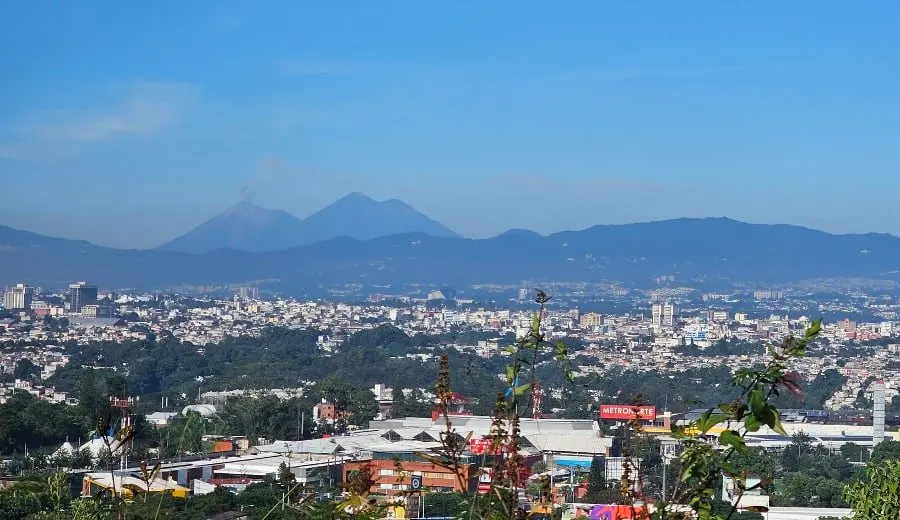
Why should a traveller care? Guatemala remains a hugely popular destination — Antigua, Lake Atitlán, Tikal — and most visits pass without incident. But the report underlines why petty corruption, road checkpoints and remote border regions deserve caution, and why areas like Petén and the western borderlands carry more risk than the main tourist corridors.