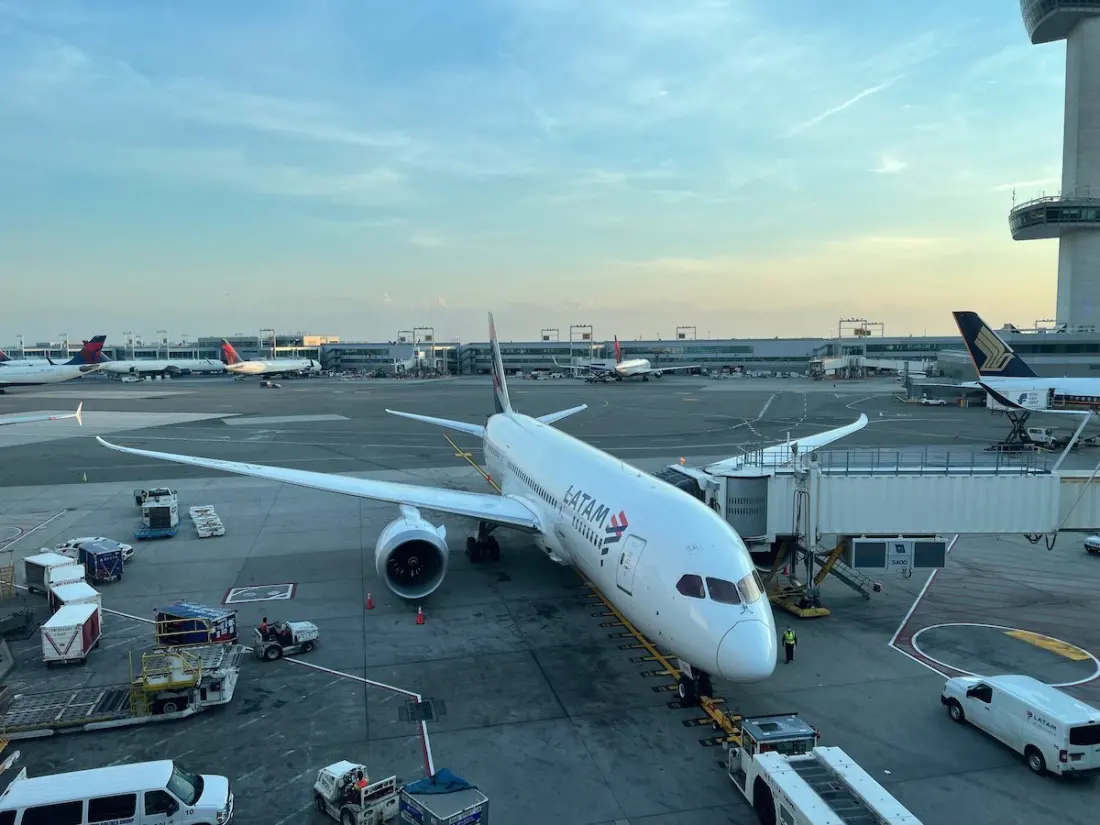
The four-hour nationwide ground stop that grounded flights across the United States on Friday was the longest such shutdown in more than 25 years — not since 9/11 has the entire American aviation system been halted like this. And now the union representing FAA workers claims it should never have happened.
The story behind the shutdown has shifted considerably. On Friday night, Transportation Secretary Sean Duffy, appearing alongside Homeland Security Secretary Markwayne Mullin, suggested that aging equipment was to blame — saying switches were overloaded with data and began producing inconsistent readings, forcing the system offline. He used the moment to demand $50 billion from Congress for air traffic control modernisation. Less than 24 hours later, his explanation changed: the problem, he said, traced back to routine maintenance by L3Harris, the FAA's telecoms contractor of over 20 years, which was switching lines from copper wire to fibre at a remote facility. Duffy now says investigators are determining whether it was installer error or a faulty router.
Enter PASS, the Professional Aviation Safety Specialists union, which represents 11,000 FAA employees. According to the union, the fault was isolated to two contractor-owned routers being updated midday — and historically, work like this would have been overseen by FAA staff, complete with a risk assessment and coordinated scheduling. This time, no FAA technicians were involved at all. The union says it supports modernisation but insists it would go smoother with its members fully engaged, properly trained and adequately staffed.
That raises an uncomfortable question: how did a single contractor's router upgrade take down the entire national airspace? It's also worth noting that in early 2025, roughly 400 FAA employees were laid off under the Department of Government Efficiency, with reports suggesting the cuts included staff responsible for aircraft safety inspections and repairing air traffic control facilities. Whether there's a link between those job cuts and the missing oversight is something investigators would do well to examine.
For travellers, the takeaway is less about the politics and more about the fragility it exposes. A single maintenance job at one remote site can freeze flights nationwide for hours — so if you're flying in or through the US, build slack into tight connections, consider travel insurance that covers long delays, and know your rebooking rights before disruption strikes. With staffing pressures and modernisation work ongoing, more disruption is possible, and the official explanations may vary depending on when you ask.