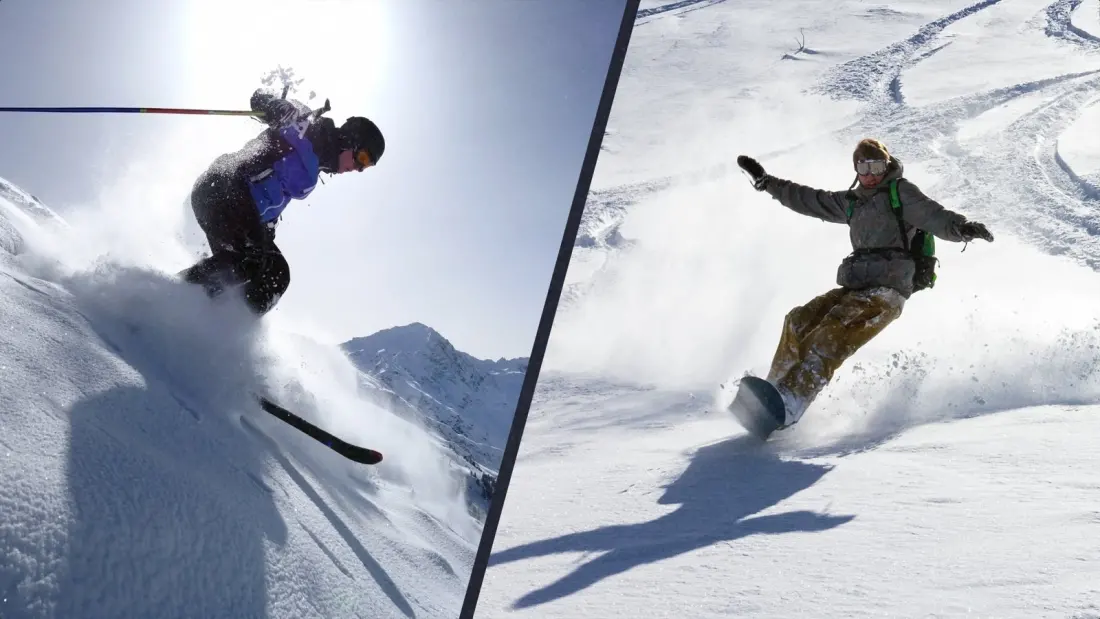
Which hurts more: skis or a snowboard? A new review in Health Science Reports crunches data from 82 studies and comes back with an answer that flips depending on who you are. At the professional level, snowboarding looks far riskier — pro snowboarders logged roughly 380 injuries per 100,000 runs, against just 2 for pro alpine skiers. Among amateurs, the picture reverses: recreational skiers reported about four injuries per 1,000 days on snow, while snowboarders managed roughly one.
Before weekend warriors celebrate by strapping on a board, a note of caution. Dr Sabrina Sawlani, a primary care sports medicine physician at UCLA Health who wasn't involved in the study, points out that only three studies fed the recreational snowboarding figure and their results varied widely. The included research also defined "injury" inconsistently, which makes precise comparisons shaky. Her verdict: don't pick a snowboard purely because a headline says it's safer.
The injury patterns are more useful than the head-to-head numbers. For pros, upper-limb damage tops the list, followed by trunk injuries — the predictable result of steep terrain, high speeds and complicated tricks. Amateurs mostly hurt their limbs, especially knees, with fractures and sprains the most common diagnoses and plain old falls the most common cause. The culprit for recreational riders isn't daring lines; it's poor technique, inadequate conditioning and losing control on ordinary runs.
Sawlani's prevention advice applies to both camps. Wear a properly fitted helmet, and if you're new, book a lesson — ask the instructor to cover how to fall and get comfortable stopping and controlling speed on easy slopes before tackling anything steeper. Snowboarders should consider wrist guards, one of the most frequent snowboard injury sites. Skiers should have a qualified technician check boot fit and binding-release settings, since a binding needs to hold through a turn but release cleanly in a fall. In poor visibility, ski slow enough that you can always stop within the stretch of slope you can see. And when your legs turn to jelly and your turns get sloppy, skip the last run of the day — that's when most ordinary falls happen.
For anyone booking a winter trip, the takeaway is simple: the gear matters less than preparation. Experience lowers risk, but a helmet, honest self-assessment and a bit of instruction go further than switching sports.