Bogota rewards travellers who organise by neighbourhood — it's a sprawling capital sitting more than 2,600 metres above sea level, and hopping across town in rush hour eats into any short visit. A well-planned 48 hours, though, covers the Gold Museum, Fernando Botero's legacy, a centuries-old market and a cable-car ride up a sacred mountain, with serious eating along the way.
Where you sleep matters. La Candelaria, the colonial-era centre, puts you within walking distance of the Gold Museum, Botero Museum, Casa de Moneda and Miguel Urrutia Art Museum; hotels like Hotel de la Ópera and Casa Deco suit history-focused stays. The International Center offers modern hotels such as Tequendama Suites with easy access to the National Museum. Food-first travellers should look at Chapinero Alto and Zona G — home to Casa Medina and a dense cluster of contemporary Colombian restaurants — accepting you'll need transport downtown.
Day one starts with chocolate santafereño (hot chocolate with cheese), changua milk soup or a tamal at La Puerta Falsa or Cafe Pasaje. The Gold Museum, facing Santander Park, holds one of the world's great pre-Hispanic gold collections — allow two to three hours for highlights like the Muisca Raft, the artefact tied to the El Dorado legend. Entry is around US$6.42 for international visitors, free on Sundays and for over-62s, and no booking is needed. Lunch should be ajiaco santafereño, Bogota's potato-chicken-corn soup with capers and avocado; Casa Vieja serves it. The afternoon belongs to the free Botero Museum on Calle 11, where the painter's voluminous figures hang alongside his private international collection, then a stroll through La Candelaria's murals and balconies with obleas and artisanal chicha en route. Book ahead for dinner at Prudencia, El Chato or Mesa Franca.
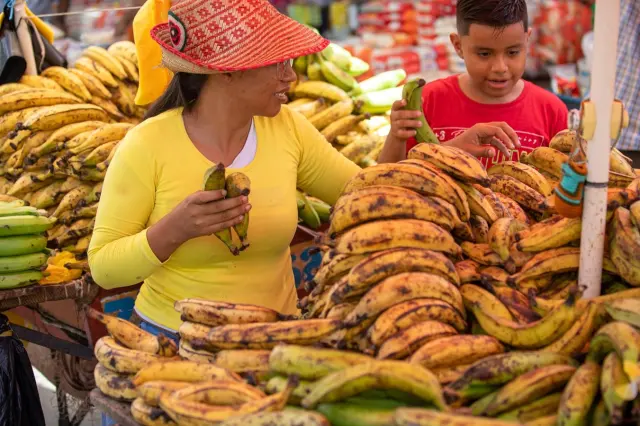
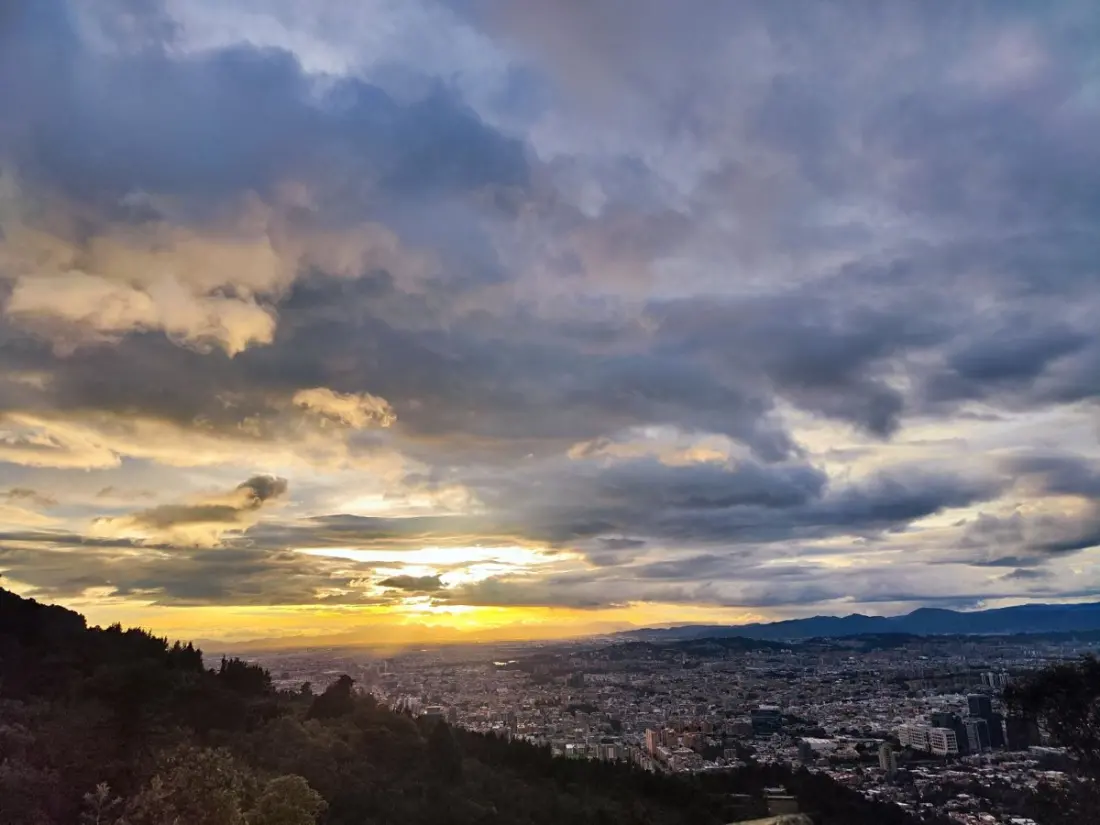
Day two opens early at Paloquemao Market (from 4:30 a.m. weekdays), where tropical fruits, flowers and stall breakfasts showcase Colombia's agricultural range. The National Museum of Colombia — founded in 1823, one of the oldest in the Americas — follows, with roughly 2,500 pieces across 17 galleries; budget about two and a half hours and bring cash (around US$4.59 for international visitors). After lunch in Chapinero — Leo, Humo Negro and Salvo Patria are strong picks — visit Quinta de Bolivar, the house museum at Monserrate's foot that preserves Simón Bolívar's independence-era world. Finish at the top of Monserrate Hill itself, 3,152 metres up, where the sanctuary and the view over the capital make the city's scale suddenly clear.
Who is this for? Anyone with a Bogota stopover or a couple of days before heading to coffee country or the Caribbean coast. The itinerary suits travellers who like museums, photography and food culture over nightlife, and it's genuinely affordable — most headline attractions cost under US$7 or are free. Take the altitude seriously: go easy on day one, drink water, and let the 2,600-metre pace set itself.