That bedroom nobody sleeps in for 360 days a year is on its way out. According to TaskRabbit's 2026 Trend Report, homeowners are converting spare square footage into rooms built around what they actually do — and the numbers are striking. Bookings for podcast studio builds jumped 90% year over year, home gyms rose 59%, saunas climbed 35%, and craft rooms grew 33%. General decorating requests were up 57%.
The company calls the broader shift "The Independent Home." Living alone increased 58%, and searches for help moving solo rose 24%, so it tracks that people are designing for themselves rather than for hypothetical guests. TaskRabbit's SVP of Marketing, Tamara Rosenthal, puts it bluntly: the traditional guest room that sits empty most of the year no longer makes sense. Instead of designing around hosting norms or resale anxiety, people want their homes to support wellness, creativity, and mental health right now.
Some of the real projects are delightfully specific. One walk-in closet became a crafting studio after a Tasker organised 25 boxes of yarn into colour- and fibre-sorted bins. Another client added a 278-pound pinball machine to her home arcade — her fourth. Elsewhere, a model train collection was relocated from a basement into a dedicated space in the main living area.
If you're tempted, Rosenthal's advice starts with a simple question: which hobby do you keep saying you'll do, but never start because setting up and packing away is too much effort? A dedicated room removes that friction. She sorts the best candidates into three groups — messy hobbies (painting, ceramics) where supplies need to stay out, restorative activities (meditation, sauna) where lighting and temperature matter, and sound-sensitive pursuits like podcasting, gaming, or vinyl listening.
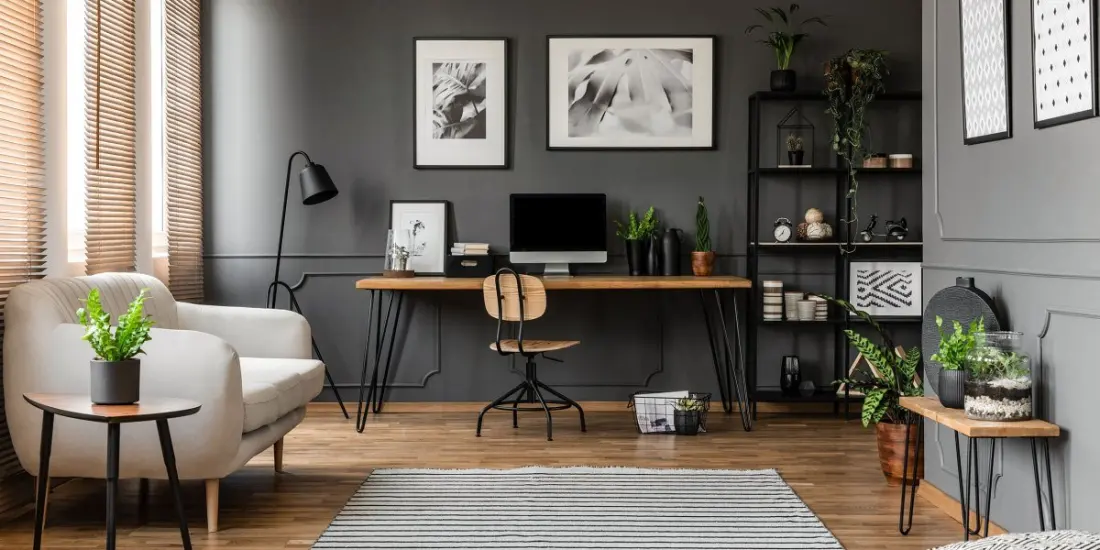
No spare room? "Intentional zoning" can work instead. The "cloffice" — a closet stripped of doors and fitted with a floating desk or shelving — has become a popular micro-workspace for sewing, reading, or crafts. Wall-mounted pegboards, modular storage, curtains, and lighting can carve out a hobby zone without sacrificing floor space. And retiring the guest room doesn't mean shipping relatives to a hotel: a Murphy bed, daybed, or sleeper sofa lets the room flip back when company actually arrives.
The trend has regional flavour in the American West, too. Los Angeles and Orange County homeowners are building garage gyms and acoustic-panelled studios; the space-tight Bay Area favours multifunctional game rooms with clever storage; Seattle and Portland lean into indoor greenhouses and vinyl rooms; Phoenix and Las Vegas go big on full-scale game rooms and art studios. The common thread, Rosenthal says, is intentionality — and with hybrid work keeping people home more, she doesn't expect it to fade. Homeowners are finally ditching "resale anxiety" and designing for the life they're living today.
For travellers, this is a nudge to plan a holiday around a hobby you love — a ceramics retreat, a wellness stay, a city trip with studio time — or to come home and finally claim that unused room for yourself.