Norway keeps topping quality-of-life rankings, and the pitch is easy to understand: strong workers' rights, dramatic scenery and a society that runs on trust. But a new in-depth relocation guide from Life in Norway — written by Brit-turned-Norwegian-citizen David Nikel — is a useful reality check for anyone dreaming of a Scandinavian life. The short version: the standard of living is high, but so are the barriers.
The first gate is legal. Norway isn't in the EU, but it is part of the EEA, so most European citizens can move freely — stay longer than three months and you'll need to register, and job-seekers must report to police within three months (they can generally stay up to six while hunting). For everyone else — Americans, Brits post-Brexit, Canadians, Australians and so on — a residence permit is essential before arrival. The main routes are a skilled job offer (secured before you move), family immigration or study. Notably, there is no general retirement visa and no digital nomad visa; a foreign employer, Norwegian grandparent or owned cabin doesn't get you residency.
Work is the biggest hurdle. The labour market is small and competitive, and while Norwegians' English is excellent, many roles — healthcare, education, public sector — require Norwegian. English-friendly openings cluster in tech, engineering, energy and research. Also worth knowing: Norway has no universal statutory minimum wage, so the guide advises weighing any offer against real living costs rather than assuming a Norwegian salary means more money in your pocket.
Money matters add up fast. Renting is usually the biggest early expense, and landlords commonly ask for a deposit worth three months' rent — which, by law, must sit in a dedicated deposit account, not the landlord's pocket. A Norwegian bank account and BankID (the digital ID used for everything from taxes to logging into public services) can take time to arrange, so keep your home-country cards working in the meantime.
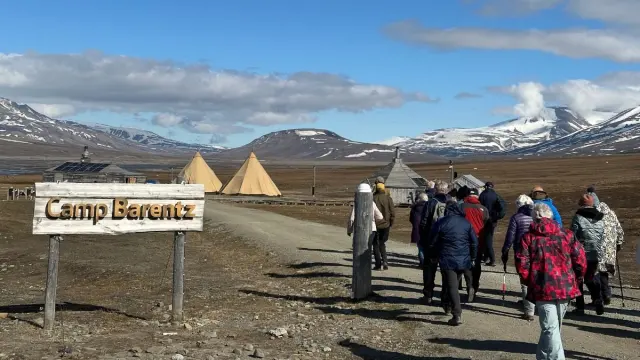
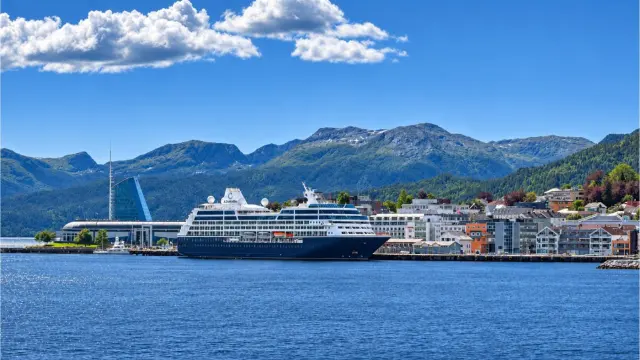
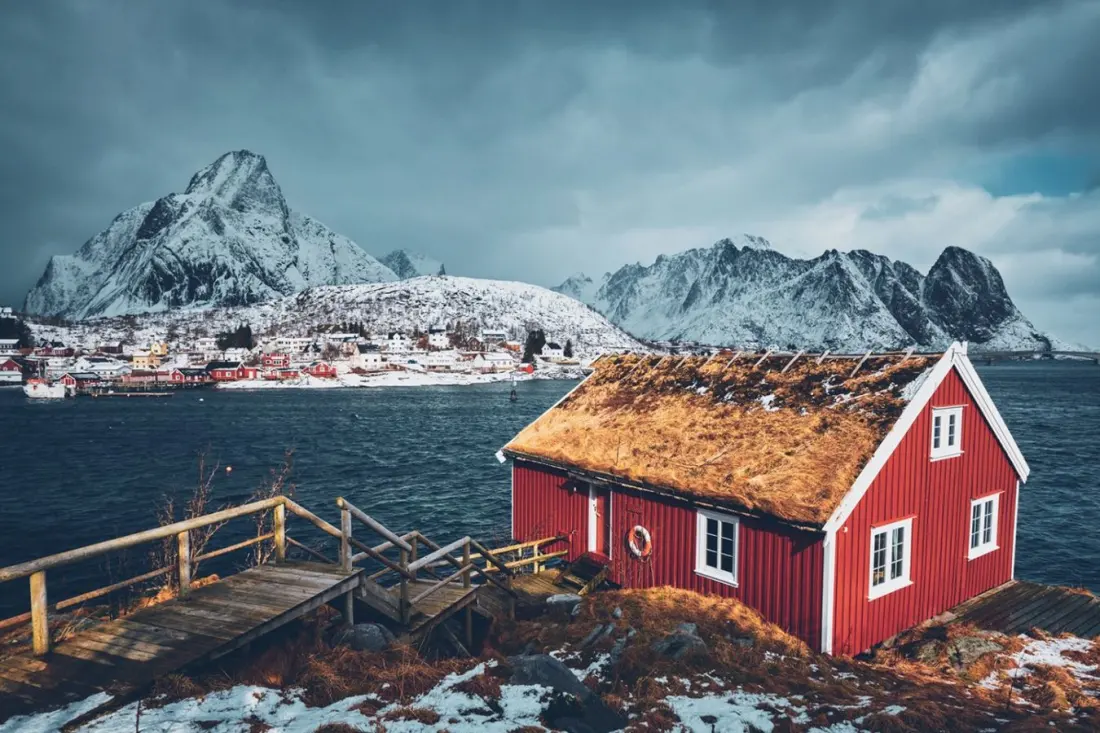
Where you land changes the experience entirely. Oslo has the biggest and most varied job market but the priciest housing. Bergen trades rainy weather for fjord access and a maritime economy; Stavanger revolves around the international energy industry; Trondheim pairs a major university with a smaller-city feel; and the north offers Arctic drama at the cost of dark winters and long distances.
Once you arrive, expect an admin chain: police registration, a tax administration appointment, then either a national identity number or a temporary D-number — which unlock a GP, a tax card and eventually banking. Starting Norwegian lessons before you fly is the guide's most repeated advice.
Who is this for? Not the two-week fjord cruise crowd — this is essential reading for anyone weighing a working holiday that turns permanent, a study year, or a long stay with a local partner. Even if the move never happens, it's a sharp-eyed look at why Norway works the way it does, written by someone who made the leap in 2011.