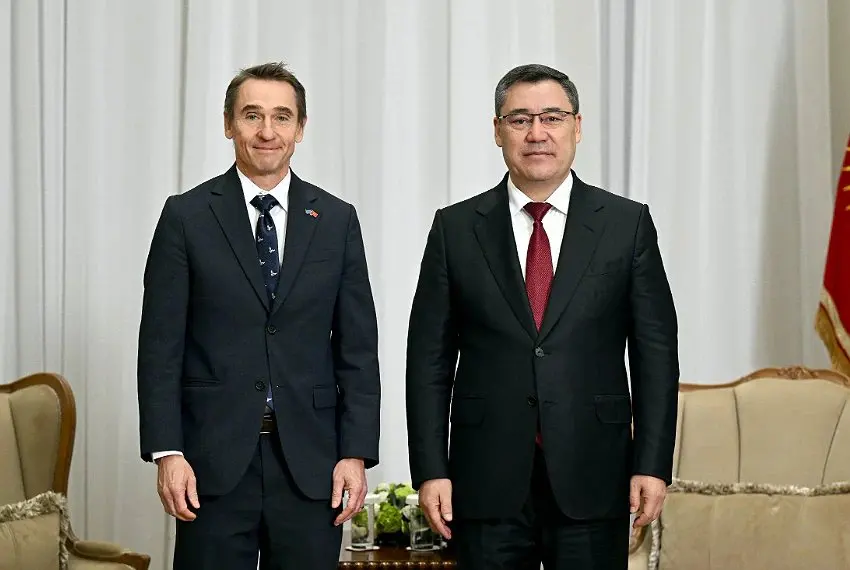
Kyrgyzstan's president has pledged $10 million from the state budget to set up an international trust fund dedicated to protecting Lake Issyk-Kul, the vast alpine lake that anchors the country's tourism industry. Sadyr Japarov announced the move during a meeting with the UN's new Resident Coordinator in Kyrgyzstan, Brian Williams, who welcomed the initiative and said he would help pull in additional funding from other donors.
Japarov framed the lake as more than a national asset, calling it part of the world's natural and ecological heritage. That is not diplomatic padding: Issyk-Kul is the second-largest high-altitude lake on earth, never freezing despite its 1,600-metre elevation, and it draws most of the visitors Kyrgyzstan gets each year — beach season on its northern shore is the closest thing Central Asia has to a lakeside summer holiday scene.
For travellers, the fund matters because the lake's appeal is fragile. Rapid, often unplanned hotel and guesthouse construction around towns like Cholpon-Ata has raised concerns about water quality, waste management and shoreline degradation in recent years. A properly funded preservation body — with international backing — could mean cleaner beaches, better-regulated development and a lake that stays worth the long flight to reach.
The meeting covered more than the lake. Williams and Japarov also discussed promoting a global mountain agenda, and confirmed that Kyrgyzstan will host the Second Global Mountain Summit, branded Bishkek+25, in October 2027. That builds on the Five-Year Action Plan for Mountain Regions running through 2027, and it signals the country's growing profile in environmental diplomacy — Kyrgyzstan was also recently elected a non-permanent UN Security Council member for 2027–2028. The two sides are now drafting a new UN–Kyrgyzstan sustainable development framework for 2028–2032, with economic development, support for small businesses and inclusivity on the list of priorities.
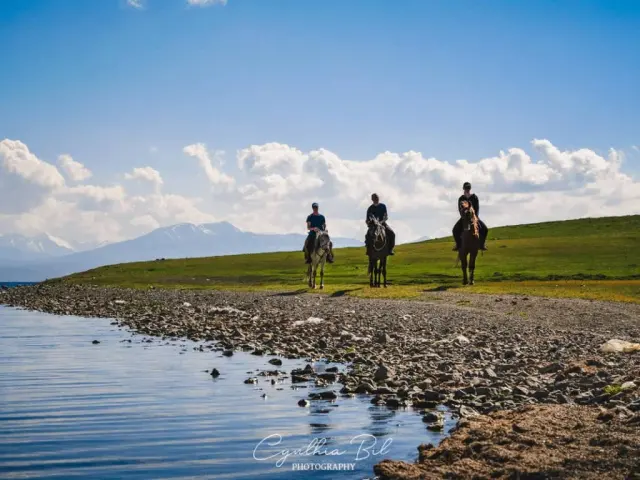
Why should a holidaymaker care? Kyrgyzstan remains one of Central Asia's most affordable and rewarding destinations: horseback treks, yurt stays and the dramatic Terskey Alatau peaks surrounding Issyk-Kul, plus easy e-visa access for many nationalities. Government money and UN cooperation aimed squarely at protecting the lake suggests the country wants tourism to grow sustainably rather than cheaply — good news for anyone eyeing a trip before the crowds find it.
Practically, if the preservation fund works as intended, expect to see improvements over the next few years in the lake's infrastructure and conservation messaging. And if you're flexible with timing, October 2027 could bring the summit spotlight — and possibly better facilities and connections — to Bishkek and the lake region. For now, Issyk-Kul offers an unusual combo: alpine backdrop, swimmable summer water, and prices well below European lake destinations. Worth adding to the list before everyone else does.