Travellers heading to Svalbard in 2027 can relax a little: Norway has delayed a rule that would have required every organised trip outside the archipelago's settlements to be led by an officially certified guide. The requirement was due to kick in on 1 July 2027, but on 13 November the government announced it will wait until the certification system is actually ready. No new date has been confirmed.
The change is part of Svalbard's Field Operation Safety Regulations, which came into force on 1 January 2026 and cover permits, insurance and safety duties for anyone running activities in the Arctic wilderness. The guide approval scheme was meant to set consistent competency standards — knowledge of local hazards, emergency procedures and environmental protection — but building the system has proved slower than planned.
The Association of Arctic Expedition Cruise Operators (AECO) warned that too few guides would be approved in time, and the delay was requested not just by the industry but also by Longyearbyen's local council and the Governor of Svalbard. Trade and Industry Minister Cecilie Myrseth acknowledged the balancing act: guides carry serious responsibility in such a demanding environment, but a rule is pointless if there aren't enough qualified guides to go around.
Experienced guides don't have to wait, though. From 16 November, a transitional scheme opened via the Governor of Svalbard, letting seasoned professionals apply for exemptions from some training requirements. To qualify, applicants need at least 1,500 hours of guiding over the past three years and must demonstrate competencies to the Governor's standards. The fee is 2,000 Norwegian kroner, applications can be for summer or winter approval (winter certification also covers summer activities), and the regular certification system is expected to open during 2027.
For tourists, nothing changes for now. Tour operators can keep running snowmobile trips, wilderness hikes and expedition cruise landings without mandatory certified guides, so existing bookings and plans for 2027 shouldn't be affected. Crucially, this is a delay — not a loosening of the rules. The rest of the Field Operation Safety Regulations, including permits, insurance and safety responsibilities, remain fully in force.
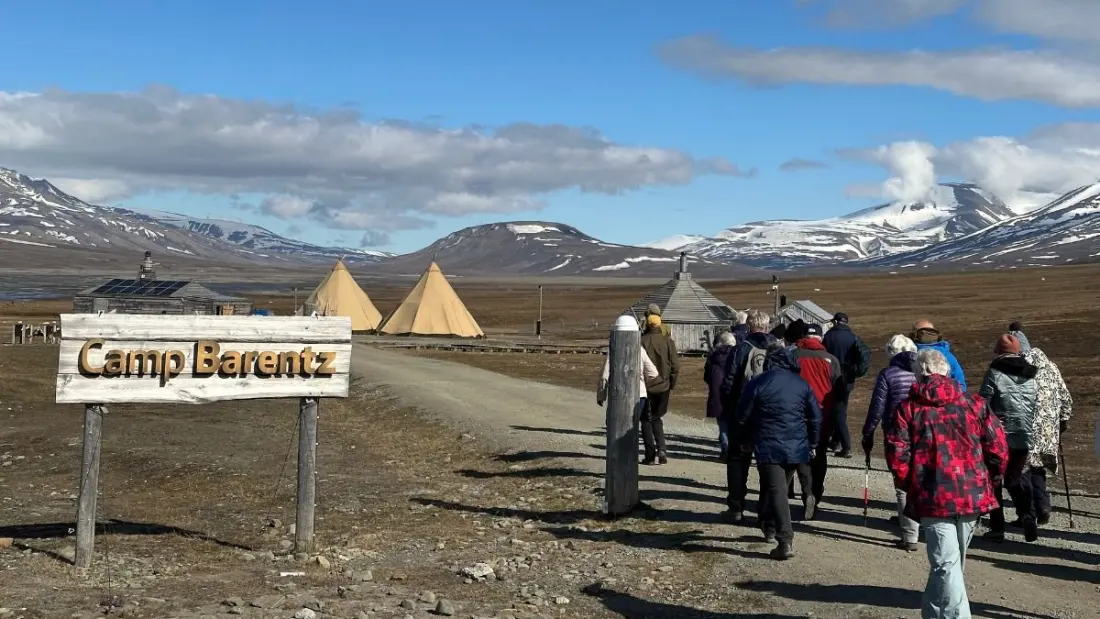
That matters because Svalbard is genuinely unforgiving territory. Beyond the settlements you could encounter polar bears, sudden weather shifts, tough terrain and little access to emergency services. Local guides aren't a box-ticking exercise; they're often the difference between a great trip and a dangerous one. Norway's approach to Arctic tourism hasn't softened — the authorities just want a certification system that raises safety standards without leaving the industry short-staffed.
If you're planning a Svalbard trip, the practical takeaway is simple: book with established operators, expect strict safety briefings, and don't attempt to explore independently beyond Longyearbyen. The certified-guide era is still coming — just on a slower timeline.
Credit: Life in Norway