Two United Airlines passengers aired their frustrations on social media within a day of each other, and their complaints could not be more different. One was angry that crews refused to let her shift into rows of empty economy seats unless she paid. The other was furious because she had paid for extra legroom, then watched other people relocate to unoccupied premium seats while the crew did nothing. She went further than a typical gripe: mid-flight, she filed an FAA Safety Hotline complaint citing weight and balance regulations, had United's lead desk log the "seat poaching" on her reservation, and started preparing federal filings referencing refund and unfair-practice rules.
So who's right? Arguably neither, and the reasons say a lot about how modern air travel works.
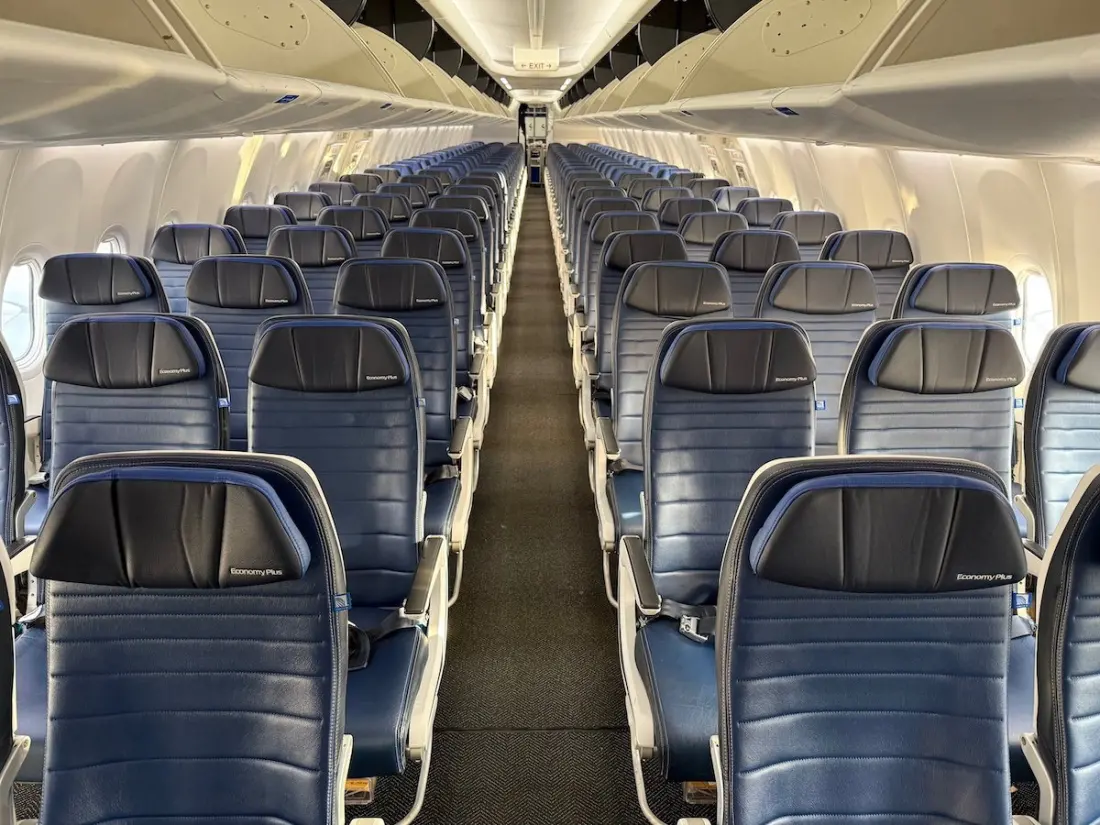
The first passenger's logic is understandable — the plane is half-empty, so why not spread out? But those front rows and extra-legroom spots are products United sells. If they were handed out free once boarding finished, fewer people would pay for them next time, and anyone who did shell out for the upgrade would rightly feel cheated. It's the same reason a hotel won't comp you the suite because the floor happens to be vacant. There's a secondary operational angle too: cabin weight and balance occasionally matter, though mostly on lighter or unevenly loaded flights.
The second passenger has the more sympathetic case. If you paid for extra space and others get it free while crew look away, that's a legitimate service failure worth reporting to the airline. But converting it into a safety crusade is a stretch. Seat swaps within the same cabin zone are not automatically a weight-and-balance violation, and the federal rules being cited concern fare refunds and deceptive business practices — a long way from an aisle-seat relocation three rows back. It reads like a customer service grievance dressed up in regulatory language to sound more serious.
The takeaway for anyone flying economy: seat assignments aren't just admin, they're revenue, and airlines will defend them. That said, moving is not always forbidden. Gate agents and flight attendants can and do reseat people when the cabin is genuinely sparse, or for operational reasons — it just happens at their discretion, not yours. If a crew member says no, pestering them rarely helps, and quietly moving anyway risks being asked back, or worse, a confrontation like the ones playing out here.
If you genuinely want the extra space, the reliable options are paying for the upgrade at booking or check-in, watching for cheaper upgrade offers in the app, or flying routes and times that tend to run light. And if enforcement slips and free-loaders score your legroom, a complaint to the airline is fair — just skip the phantom FAA filing.
The wider irony is hard to miss: the same policy generated two furious passengers on the same day, one because it was enforced and one because it wasn't. That's the tightrope airlines walk when every inch of the cabin carries a price tag.
Story via One Mile at a Time.