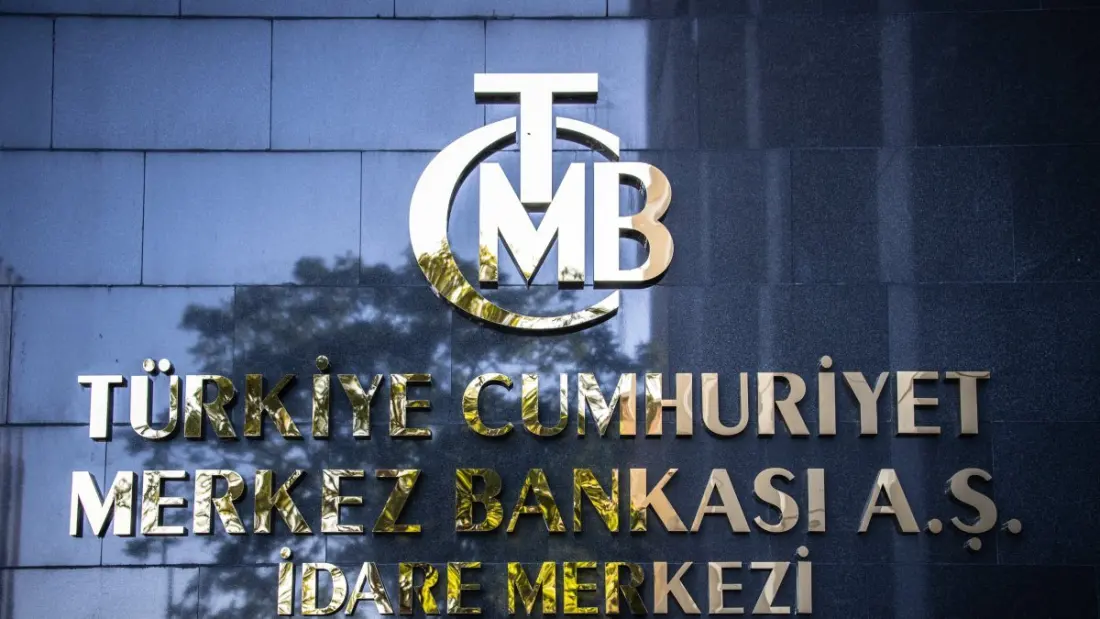
Turkey's central bank has quietly raised its inflation forecasts, and anyone who has priced up an Istanbul trip recently will understand why it matters. On 12 November 2026, the bank lifted its year-end forecast for 2026 to 29.5%, and now expects prices to rise a further 21% through 2027. The culprit, according to the bank, is the fallout from the war in Iran — a conflict that has rattled energy markets and supply chains across the region.
Let's be clear about what these numbers mean. An inflation rate of 29.5% is not a blip; it's a pace at which prices roughly double every few years. For Turks, it's a cost-of-living grind. For visitors, the picture is more complicated — and, in some ways, surprisingly forgiving.
The Turkish lira has historically lost value against the dollar and euro faster than domestic prices have climbed, which is why Turkey has spent years alternating between 'shockingly cheap' and 'actually quite pricey now' in the popular imagination. When inflation spikes like this, hotel rates, restaurant bills and excursion prices quoted in lira get adjusted upward quickly, but the weak currency often cushions foreign cardholders. The practical takeaway: expect Turkish businesses to reprice frequently, and don't assume a quote from three months ago still stands.
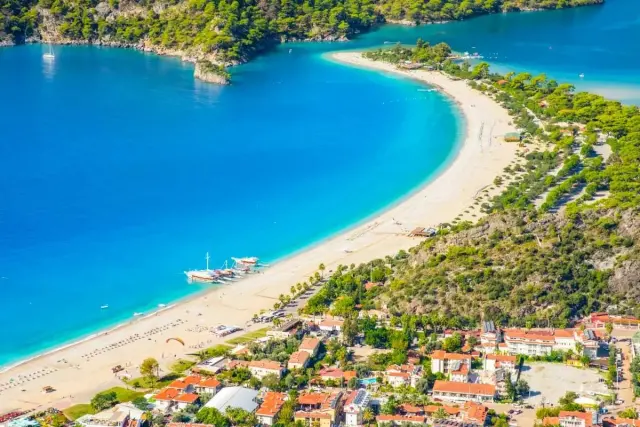
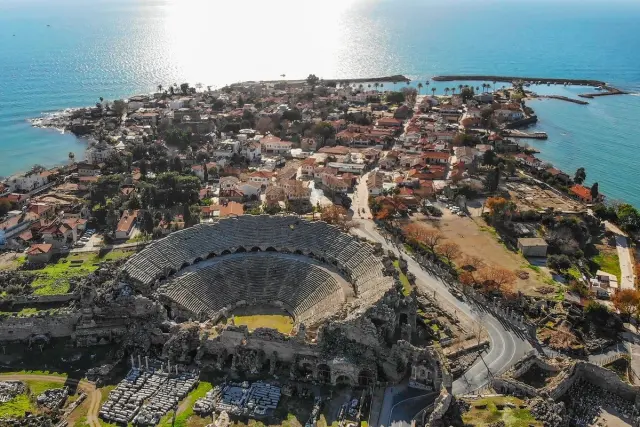
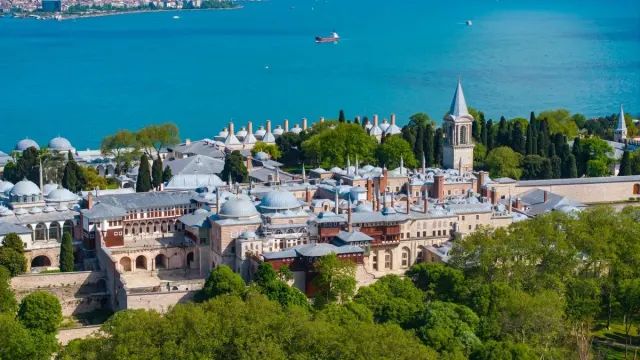
There's also a geographic elephant in the room. The central bank explicitly tied its revision to the Iran war, which means the inflation story is entangled with energy prices, flight-routing disruptions and regional security calculations. Travellers heading to Turkey's east, or anyone flying routes that transit near Iranian airspace, should keep an eye on airline advisories as well as exchange rates. Turkey's main tourist belt — Istanbul, the Aegean coast, Cappadocia, Antalya — continues to operate normally, but pricing is the thing most likely to shift under your feet.
So who should care? Anyone booking a 2027 trip to Turkey. The 21% forecast for next year suggests the era of bargain-basement prices isn't coming back soon, even if the exchange rate keeps softening the blow for euro and dollar spenders. Book accommodation early where rates are locked in, favour places that quote in advance rather than 'pay on arrival in lira', and budget with a margin rather than to the last lira.
For now, this is a monetary-policy footnote with real travel consequences: a country that remains excellent value by European standards, but one where your money buys less each month you wait. Watch the lira, book the good stuff early, and go anyway — Turkish hospitality hasn't inflated.