
Britain's latest air traffic control meltdown has taken a strange turn. After a technical fault at National Air Traffic Services (Nats) grounded flights on Tuesday, the Financial Times reported — citing four sources — that a flight plan filed by a military aircraft may have triggered the glitch that brought the system down for hours. The Ministry of Defence has pushed back, saying it sees no indication of an error by the military, and both it and Nats are staying quiet while an investigation runs, with findings expected next week.
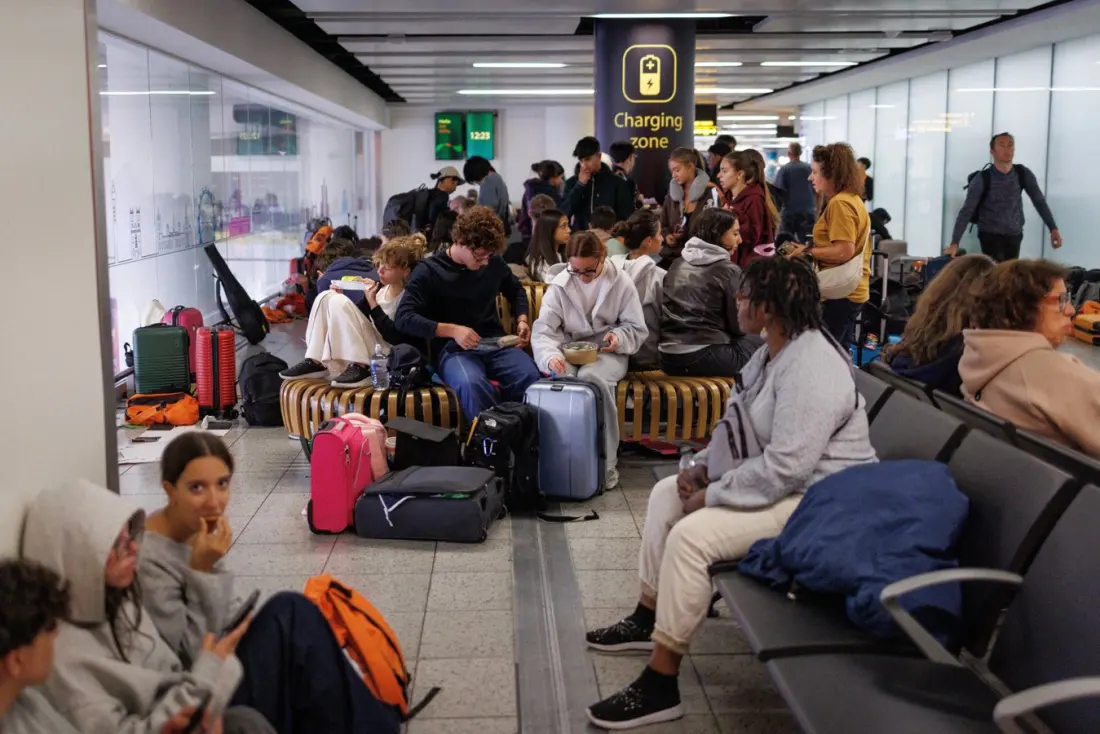
The scale of the disruption is significant: aviation analytics firm Cirium counted 2,145 cancelled flights across Tuesday and Wednesday. It is the second major Nats failure in two years — in August 2023 a glitch while processing a single flight plan left more than 700,000 passengers facing delays and cancellations.
The political fallout is building. Transport Secretary Heidi Alexander told MPs she did not believe the failure was "unavoidable" and has ordered the Civil Aviation Authority to run an independent review, reporting within six months. Nats chief executive Martin Rolfe has apologised and said he takes "full responsibility", but Ryanair boss Michael O'Leary has called his position untenable, and Wizz Air went further, describing Nats as "simply not fit for purpose in its current form".
For travellers, the practical news is less welcome. The CAA says the outage will likely count as "extraordinary circumstances" under UK passenger rights rules — meaning airlines must still look after you (food, accommodation where relevant, rebooking), but cash compensation under UK261 is unlikely for delays directly caused by the incident.
If your flights were hit, focus on what you can claim: keep receipts for hotels, meals and transport, and chase your airline for duty-of-care expenses. Travel insurance may cover costs the airline won't, so check your policy. And given this is the second Nats failure in two years, building buffer time into any onward connections through UK airports is a sensible habit.