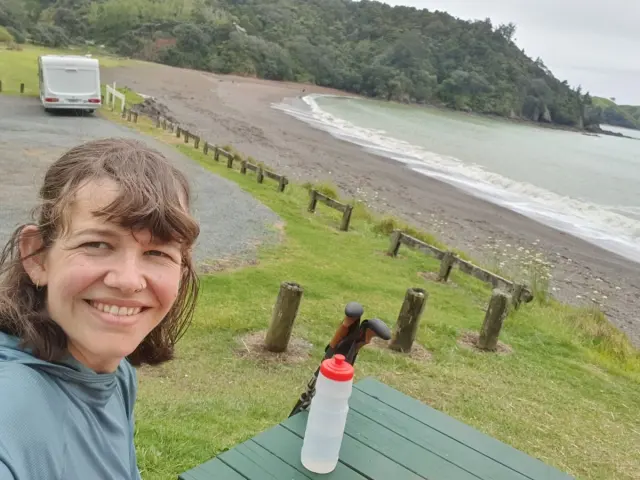
A trekker's diary from the first stretch of Te Araroa, New Zealand's 3,000km end-to-end walk, offers a vivid window into what the early Northland days actually feel like: sticky, social, and full of small kindnesses from strangers.
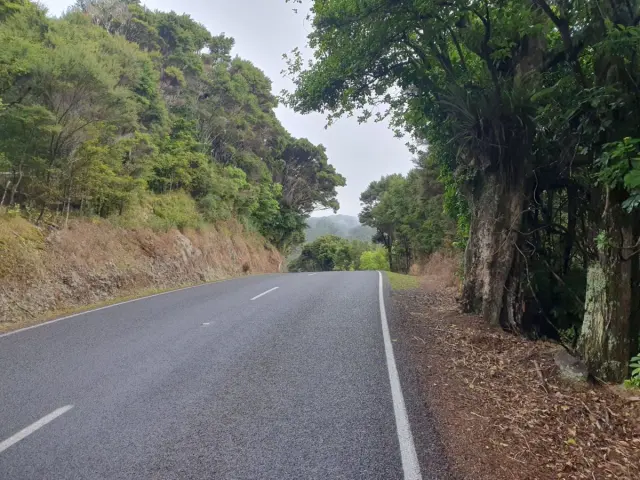
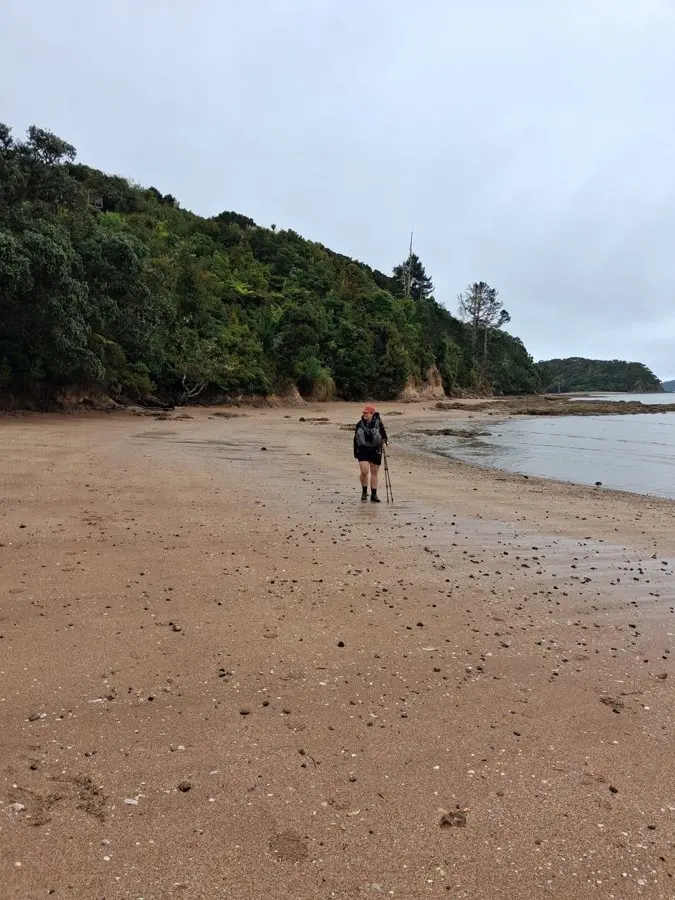
The account picks up around day 13, with a rest and resupply day in Waitangi before the walk continues from Paihia towards the Bay of Islands coast. Rain sets in, a forest shortcut turns out to be kilometres of humid, water-draining ups and downs, and a planned road walk gets cut short when a former Te Araroa hiker offers a lift for the last 5km — one of several trail angels who appear along the way.
Accommodation along this section is cheap and characterful. At Russell Outback Eco Retreat, a dorm bed means drying clothes, dodging mosquitoes, ants and a yowling cat at 3am. Then there's 'the Farm', an intentional living community serving a $20 group dinner, camping, yoga and a shuttle over 18km of winding sealed road — the kind of unique stop that makes thru-hiking as much about people as scenery.
Day 16 is the standout: the Helena Ridge track to Whananaki. After apprehension about another rain-soaked climb, the trail delivers lush rainforest, a halfway shelter for lunch and regrouping, and a trail friend named Sven who builds a bridge over a stream for the group's benefit. A hitch into Whananaki holiday park follows — burgers, chocolate, a pool before the thunder, and a $9 upgrade from tents to tiny cabins when the storm hits properly.
What this story captures, beyond the day-to-day, is the culture of a thru-hike: there's no 'falling behind', gear debates happen over dinner, trail names get invented (Sven becomes 'Thumbs' for his hitching luck), and a loose group of Aussies, Brits and others reforms night after night at holiday parks and hostels. For anyone considering Te Araroa — or just dreaming about a long-distance walk — it's a useful reminder that the Northland section is as much about hospitality and camaraderie as it is about beaches and bush. Practical takeaways include carrying more water than you think through humid forest, budgeting for shuttles and dorm beds, and being ready to accept (or offer) a lift.