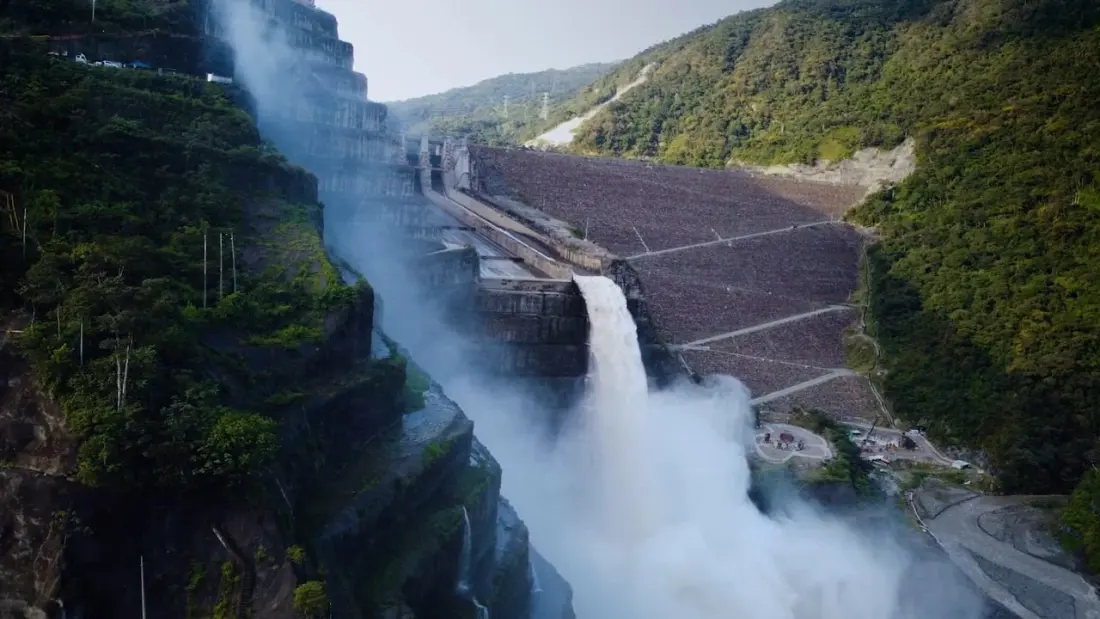
When Bogotá started rationing water in April 2024, few residents expected it to last. The Chingaza reservoir system that supplies the capital had fallen to under 17% of capacity, so the city switched off supply in nine rotating shifts, neighbourhood by neighbourhood, across Bogotá and eleven municipalities in Cundinamarca. The cuts finally ended at 8am on 12 April 2025, when Mayor Carlos Fernando Galán lifted them and asked residents to keep the conservation habits they'd picked up.
Here's the strange part: Colombia is one of the most water-rich countries on earth. World Bank figures put its renewable freshwater at roughly 2,145 billion cubic metres — around sixth globally. What failed in 2024 wasn't rainfall; it was infrastructure and management. That gap is exactly what a panel at the Horasis Global Summit will dig into when the Swiss think tank's annual event lands in Medellín from 10 to 12 November, co-hosted with the city and Universidad de Medellín under the theme "Building Tomorrow." More than 1,000 business, government and academic delegates are expected.
The numbers behind Colombia's water problem are stark. Nationally, 41.4% of treated water never reaches a paying customer — it leaks away, gets stolen, or goes unbilled, per the National Planning Department. Two out of every five litres utilities treat simply vanish. Urban aqueduct coverage sits above 98%, but in rural areas only around two-thirds of households have safe water. In La Guajira, where WaterAid has worked for nine years, rural coverage is below 50%. As panellist Candelaria Lucero points out, Bogotá's rationing was a bad year in a system that exists — in much of La Guajira, the infrastructure was never built at all.
Money is the other half of the story. Utilities association Andesco estimates closing the national water and sanitation gap would cost around 126 trillion pesos, yet historical execution of allocated funds averages just 7.2%. The housing ministry says of 1,147 water projects, 925 worth 14.8 trillion pesos have no financing. And the August 2025 earthquake in Chocó — magnitude 7.4, 331 deaths, 201,010 damaged homes, 140 aqueducts hit — added another claim on the same pot.
For travellers, this matters more than it might seem. If you're heading to Bogotá or Medellín, tap water in the big cities is treated and generally drinkable, but the year of rationing was a reminder that supply can be fragile. The summit also puts a spotlight on the páramo — the high Andean wetlands around Chingaza that store and slowly release water — which are hikeable, spectacular and increasingly recognised as the country's real water towers. Colombia has already lost eight of its fourteen glaciers, according to panellist Marcela Fernández of Cumbres Blancas, so the landscapes visitors come for are changing.
Who's this story for? Anyone planning a Colombia trip who wants to understand what's happening behind the scenery, plus eco-minded travellers eyeing Chingaza National Park as a day trip from Bogotá — a chance to see the reservoirs that prompted a capital city to rethink its relationship with water.
The Bogotá Post