A fresh dispatch from New Zealand's Te Araroa trail captures the thru-hiking experience at its most honest: not the summit photos, but the supermarket panic, the trail angels with cold showers, and the endless beaches.
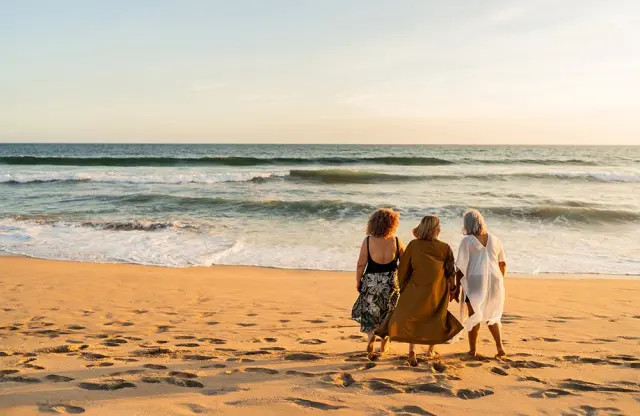
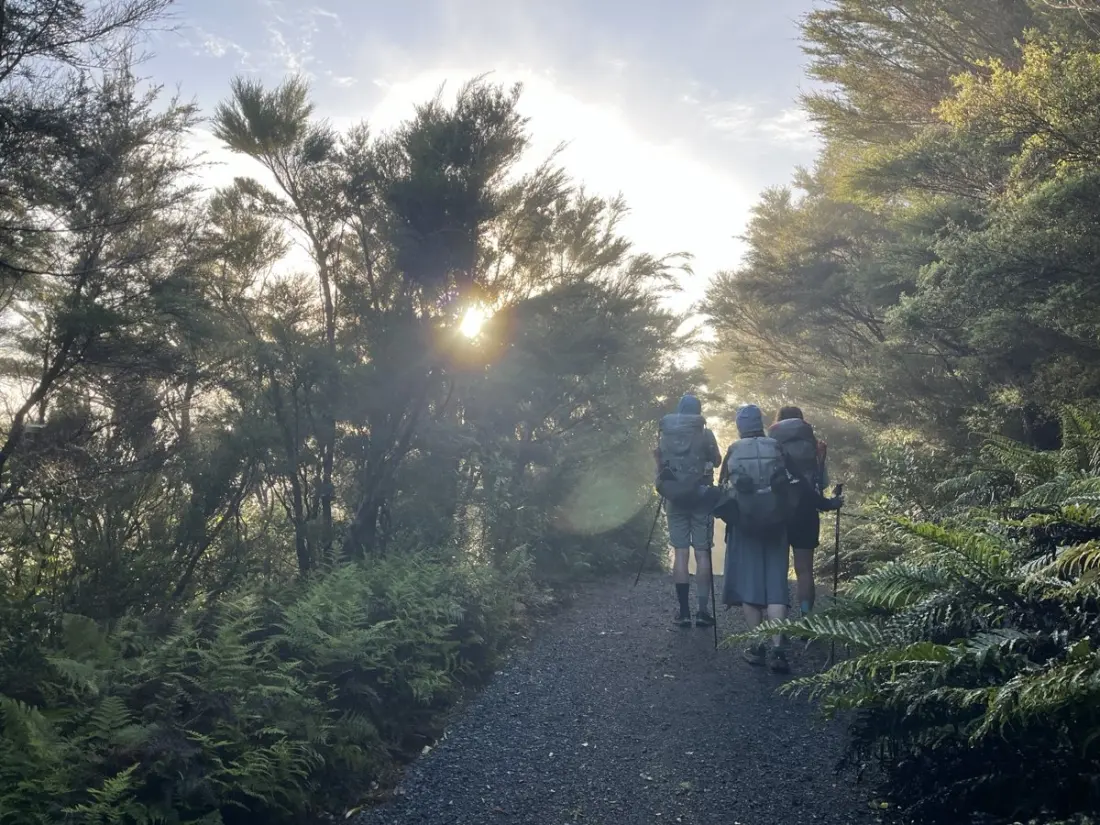
The hiker, writing around day 21 of the walk, had just covered the stretch between Ruakaka and Mangawhai in Northland — the northern section of the 3,000km trail that runs the length of New Zealand. It's the part of the route where beach walking dominates: over 100km of sand in the first four days alone, including the infamous 90 Mile Beach. By Pakiri beach, the group were so beach-weary they walked it as a 'podcast day', headphones in, navigating an estuary crossing timed around low tide. The reward for one climb — 400 metres of elevation packed into just 2km — was a preview of 'the dome', one of the trail's feared early sections that has forced hikers to turn back in rain.
The piece's best insight is about resupply culture. On a trail day, a full-size New World supermarket becomes genuinely overwhelming: hikers wander the aisles second-guessing whether they've bought enough food for four days, then spend an hour stripping packaging off everything before jamming it into food bags. After weeks of instant noodles and OSM chocolate bars, bodies crave fresh produce — the group bought piles of fruit and veg and ate hot chips with dinner. The writer even skipped a big shop thanks to a cheese-and-sundried-tomato sandwich eaten before entering the store.
There's also a window into trail community, which is arguably the real draw of a thru-hike. Strangers give hitches into Waipu (where a cafe offers walkers free coffee). Locals quiz shoppers-turned-hikers about the walk like minor celebrities. And 'trail hosts' at kilometre 463 near Mangawhai offer tent space, endless charging ports, a cold outdoor shower and a two-person cabin — a level of generosity that defines the Te Araroa experience. Small social dramas matter too: one hiker swore off hitching because it felt like cheating the walk, splitting from a hiking partner to stay with a slower group.
For travellers, this is a useful reality check on New Zealand's answer to the Appalachian Trail. You don't need mountaineering skill for the Northland leg, but you do need to plan food drops around scattered small-town supermarkets, accept road walks between coastal sections, and expect blisters long before the scenery gets dramatic. It's slow travel at its purest — and the kindness of strangers is a genuine feature of the route, not a bonus.