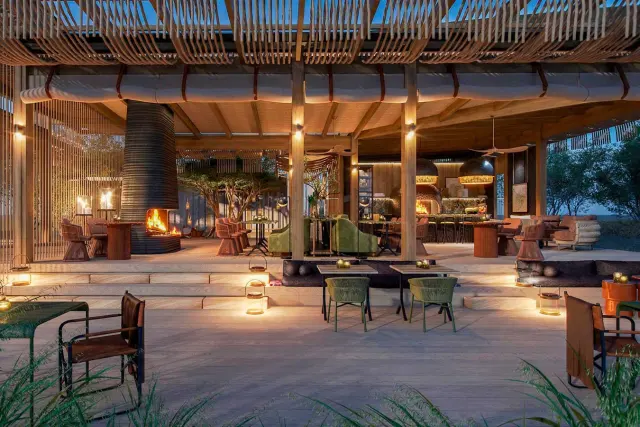
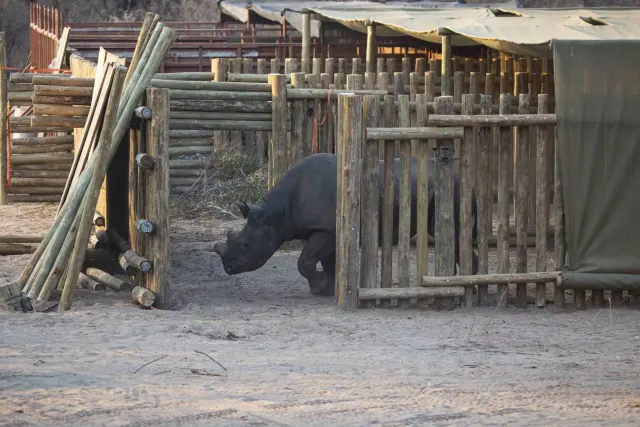
The most common safari question isn't where to go — it's when. And for good reason: Africa's safari calendar shifts dramatically month to month, with migrating herds, flooding deltas and camp closures reshaping what a trip looks like depending on your dates.
The headline answer: June to October, the dry season across most of East and Southern Africa, offers the strongest wildlife viewing. Thin vegetation and shrinking waterholes concentrate animals where you can actually find them. The trade-off is peak pricing and busier camps, plus genuinely cold early mornings in Southern Africa.
The green season (roughly November to April) flips the equation. Rains transform the bush into lush, photogenic country, antelope give birth and predators follow, and prices drop along with the crowds. Downsides include afternoon storms, thicker cover that hides wildlife, and some camps and roads closing entirely — especially in Zambia.
If you're chasing the Great Migration, aim for July to October in the northern Serengeti and Kenya's Masai Mara, when the herds tackle the crocodile-filled Mara River. August is the classic month, though crossings follow the wildebeest's schedule, not yours. For something different, January and February bring calving season to the southern Serengeti and Ndutu, where hundreds of thousands of wildebeest calves are born within weeks and predator action is constant.
One quirk worth knowing: Botswana's Okavango Delta floods during the dry season, not the wet, because the water takes months to travel down from Angola's highlands. That's why July is many safari veterans' favourite month — peak floodwaters meet peak dry season, and wildlife piles onto the water in extraordinary numbers.
Other standouts from the calendar: March brings the zebra migration across Botswana's Makgadikgadi Pans and prime meerkat spotting; May is an underrated shoulder-season sweet spot before prices jump; September suits walking safaris (Zambia is the birthplace of them) with predators massing at dwindling waterholes; and October delivers intense, hot game viewing at Etosha and the Zambezi Valley. Gorilla trekking in Rwanda and Uganda works best in the June-to-September and December-to-February dry windows.
Who is this for? Anyone booking an African safari who doesn't want to pay peak-season prices for the wrong wildlife moment. Budget travellers should target April, May or November; first-timers and families get the best balance in May or June; serious photographers may actually prefer the green season's light and colour to the dry season's easier sightings.
When to Go on Safari: A Month-by-Month Guide to Getting Africa Right
Originally reported by
World of Wanderlust.
This is an independent curation by click.holiday — see the source for the full story.
Drafted by our editorial model from the source above and checked automatically for accuracy against it and for originality. How we work