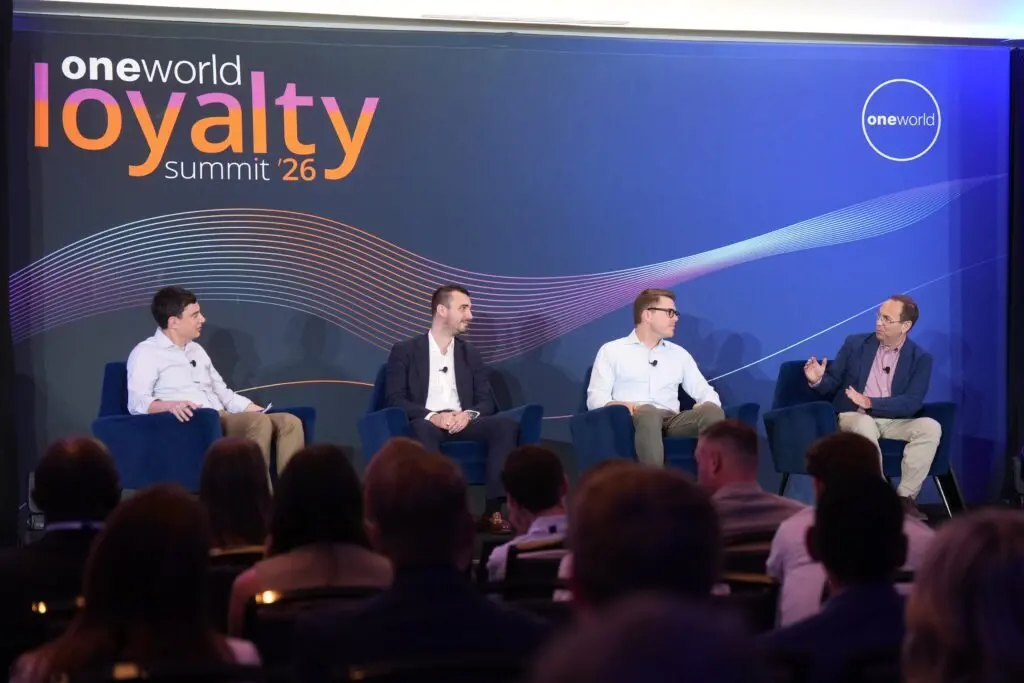
Lounge access feels like a simple perk: show your card, walk in. But behind the door, airline alliances run on surprisingly tangled money flows, and a new interview with two oneworld executives lays out exactly who bills whom.
Roger Blackburn, oneworld's VP of Commercial and Loyalty, and Gilbert Ott, its Director of Loyalty, explained in a candid conversation that the airline actually operating the flight you're on is the one that covers your lounge visit — "the airline who's lifting that customer out of the station," in Blackburn's words. So if your status came from Royal Jordanian but you're flying American and using American's lounge, the visit may still land on American's tab. That contradicts reporting elsewhere suggesting the payment model changed so that the status-issuing programme now pays.
Why does this matter to anyone holding elite status? Because it shapes the economics of status matches. If an airline gets billed every time a matched member walks into a partner lounge, it will hand out status far more cautiously. When visits were essentially free to the airline carrying you, matches were easier to justify — but capped by formulas tied to the size of the elite pool.
The interview also explains where alliance lounges actually get built. A single airline with one daily departure can rarely justify the rent and staffing. Several member carriers with departures spread across the day can share one genuinely good facility — which is why cities like Delhi and Mumbai come up as candidates, with Blackburn hinting at lounge news "fairly soon."
Credit cards are the other half of the money story. Ott argues that card and loyalty revenue funds better lounges, seats and Wi-Fi — and even supports routes that look weak on ticket sales alone. Delta has openly tied its growth in Austin and Raleigh to its American Express card customer base. A flight that barely breaks even on fares can make sense once the card spending it generates is counted. The flip side: airlines that sell miles aggressively without releasing decent award seats, or open lounges to everyone without adding space, end up with frustrated customers at the door.
There are limits to alliance power, too. Ott describes member loyalty programmes as "largely sovereign" when it comes to earning rates and award availability, which explains why some airlines quietly withhold their best seats from partners — giving them to your co-branded cardholders helps someone else's card business, not their own.
A few housekeeping notes for frequent flyers: oneworld expects all members to meet a new standard for faster mileage posting after partner flights by the end of the year, its AI round-the-world booking assistant has quietly been retired despite earlier claims of a fivefold conversion boost, and the alliance is exploring tamper-proof digital verification of elite status — goodbye, manipulated screenshots.
If you collect status or miles and actually use them for holidays, this is the plumbing that determines whether your perks hold up when you fly with a partner rather than the airline that issued them.