Glasgow's flagship museum is at the centre of a growing debate about ancient human remains in Western collections. On 2 November, Glasgow Life — the charity that runs the city's museums — confirmed it had received a formal request to return the mummy of an ancient Egyptian priest named Nekht to Egypt, after his remains were quietly taken off display at the Kelvingrove Art Gallery and Museum.
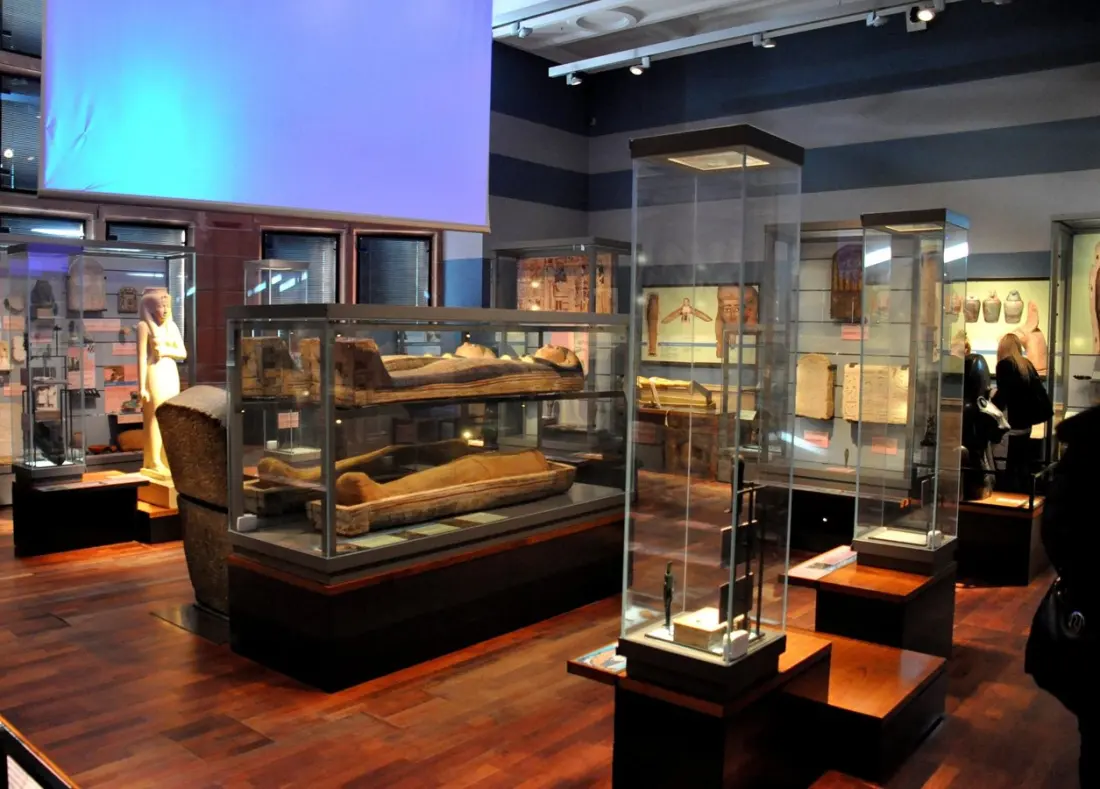
Nekht is thought to have lived roughly between 1985 and 1797 B.C. His mummy was excavated at Beni Hasan, a rock-cut tomb site in Middle Egypt, in the early 20th century and gifted to Glasgow in 1923. For decades, visitors saw him lying inside a painted coffin in the museum's Egyptian gallery. Also removed from view were a mummified head, right foot and right hand recovered from the Valley of the Kings at Luxor.
The repatriation request reportedly came from Egyptian authorities, though Glasgow Life has not officially named the source. A spokesperson said the city has a well-established process for such cases: requests are assessed case by case by a council working group on repatriation and restitution, then passed to a city committee for a final decision. The council owns the collections; Glasgow Life manages them on its behalf.
The removal from display was not prompted by the Egyptian request alone. Glasgow Life says it no longer considers it respectful to exhibit human remains without documented, informed consent from the deceased or their descendants. That aligns with a code-of-ethics revision by the International Council of Museums this year, which states that museums should uphold the inherent dignity of human remains. Under a draft policy, public display would only be possible with such consent, and remains already taken off show will sit in restricted-access storage unless a return request is considered.
Why should travellers care? If you've visited Kelvingrove, you'll know its Egyptian room is one of the museum's most popular draws — and Nekht was a fixture there for generations of visitors, including school groups. As more European museums reassess how they display ancestral remains, the classic 'see a mummy on holiday' experience is quietly disappearing. If seeing ancient Egyptian material is on your list, Egypt itself offers the obvious alternative: Luxor's Valley of the Kings and the tombs at Beni Hasan, Nekht's own burial region, let you encounter this history in its original setting rather than behind a display case.
The outcome here will take time — Glasgow's process involves committee decisions, and repatriation cases can run for months or years. But the direction of travel is clear. Museums across the UK and beyond are moving towards consent-based display of human remains, and travellers planning trips around Egyptian collections in Scotland should check what's currently on show before they go. For now, Kelvingrove remains free to enter and still holds one of the richest civic collections in Europe — its Egyptian gallery will simply look a little different than it did a year ago.
Egyptian Streets