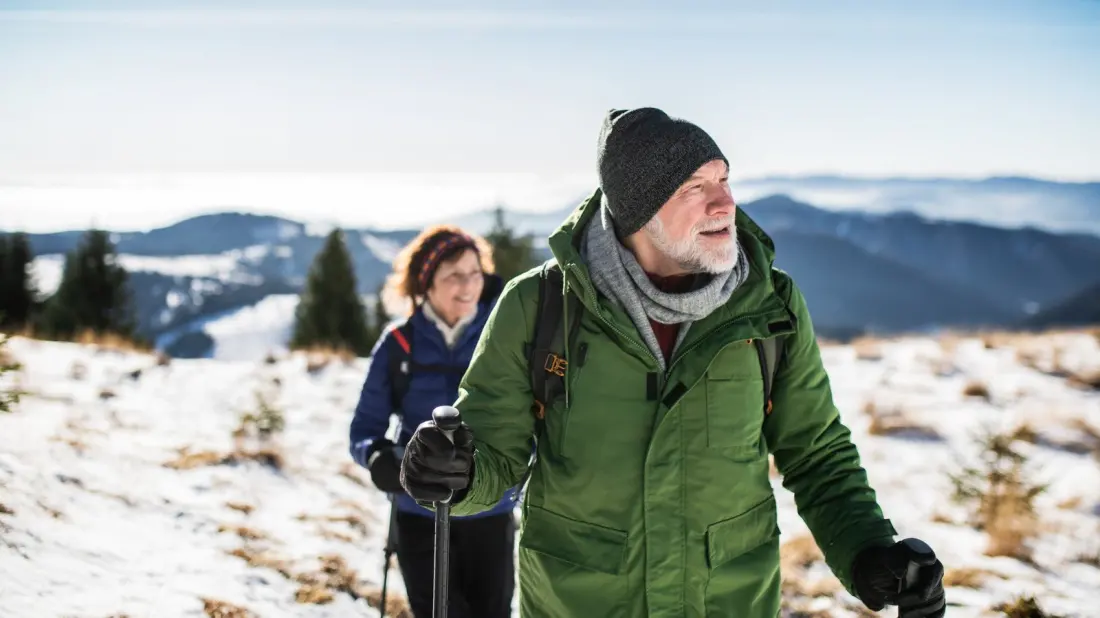
Winter camping has a lot going for it: the crowds that jam America's national parks in summer thin out dramatically, and familiar trails turn into quiet, snow-covered terrain. The catch is simple — staying warm for hours outdoors, and especially overnight, is genuinely hard. Get it wrong and you're not just uncomfortable; hypothermia is a real risk. That's where a heated jacket comes in as the piece of kit that can turn a shivery trip into a genuinely enjoyable one.
These coats aren't as new as they look. A German electrical engineer named George Endress built an early version back in the 1920s, using heated metal coils for people working outdoors in the cold. Today's versions work on the same basic idea but with modern materials: conductive carbon fibre or metal elements sewn through the lining, powered by a rechargeable battery pack — essentially a wearable heating pad. Most come with adjustable temperature settings, and good ones have built-in safety cutoffs that shut the heat off if it runs too hot. Because the batteries are low voltage, the shock risk is minimal, though you should still keep the battery dry and never sleep in the jacket.
Prices range from around $70 to $350. At the budget end, the OAOA Innovation Heated Jacket costs about $70 on Amazon, offers three heat levels topping out at 147 degrees Fahrenheit, and holds a 4.5-star average across more than 700 reviews. Reviewers note the battery lasts roughly 2.5 hours on the lowest setting — fine for a hike, but plan accordingly. At the premium end, Venture Heat's down-insulated jacket runs about $350, connects to your phone via Bluetooth, and its battery can stretch past 10 hours on the lowest setting.
A few buying pointers matter more than the tech specs. Heated jackets are bulkier and heavier than regular ones, so look for something lightweight if you'll be hiking or snowshoeing in it. Insulation counts: natural or synthetic down fill is a solid choice, and a waterproof outer layer (or a rain shell worn over the top) is essential. Fit should be snug enough to trap warmth but roomy enough for layers underneath. And crucially — the jacket is a supplement, not a substitute. If the battery dies halfway up a trail, you'll be glad you packed proper base layers, a windbreaker and a beanie anyway.
For anyone planning cold-weather camping, ski trips, ice-fishing or winter hiking, this is one gadget that earns its luggage space. Even travellers who normally like to unplug outdoors may find it's the difference between cutting a trip short and actually savouring that empty, snow-draped campsite.
Story via Explore.com.