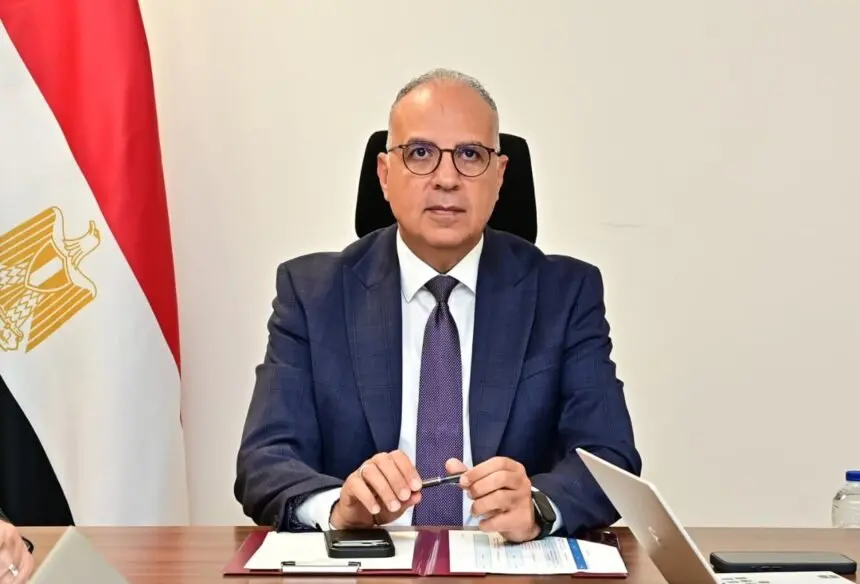
Egypt has started policing its canals and rivers with satellites. The Ministry of Water Resources and Irrigation confirmed it is scaling up a monitoring model built on Google Earth Engine, which scans satellite imagery to spot new buildings creeping onto canal banks and changes to the watercourses themselves. The announcement came on 24 October, after Minister Hani Sewilam reviewed the system in a ministry meeting.
The idea is simple: encroachments and illegal construction along Egypt's waterways are notoriously hard to track on the ground, so the ministry is letting orbiting cameras do the first pass. The model flags fresh structures and alterations along canals, and officials are now building geospatial databases to log every violation so field teams can head straight to the right spot instead of patrolling blind.
Sewilam has also told officials to blend the satellite data with on-the-ground measurements and the ministry's existing records, then run everything through artificial intelligence and geographic information systems for planning. It all sits under the Water System 2.0 programme, a broader push to digitise how Egypt manages its water — better monitoring, better data, better decisions.
What the ministry has not said is just as interesting: there's no timeline for a nationwide rollout and no figure for how many violations the tech has already caught.
Why should a traveller care? Because nearly every trip to Egypt touches this story. The Nile supplies the bulk of the country's freshwater, and the river is the backbone of the classic Luxor-to-Aswan cruise, the felucca rides in Aswan, and countless riverside towns. Cleaner, better-managed waterways mean a healthier river for the communities along it — and, in the long run, better-protected views and waterfronts that mass building could easily spoil. Egypt is under real water stress, and keeping canals and riverbanks clear is part of how the country protects the resource its tourism industry depends on.
If you're planning a Nile cruise, this won't change your itinerary tomorrow — but it's a sign the country is taking the river's future seriously. The bigger takeaway for visitors is that Egypt's water infrastructure is modernising fast, from irrigation upgrades to digital monitoring, which should slowly translate into more reliable water supplies in the towns and cities you pass through.
For now, watch this space: when the satellite dragnet goes national, expect more stories about reclaimed riverbanks — possibly even reopened stretches of waterfront that have been choked by unauthorised building for years.
Story via Egyptian Streets.