A Martin-Baker GRU-7A ejection seat — the type that saved F-14 Tomcat crews — has just been listed for $35,000 on resale portal PicClick, and the internet has latched onto the claim that it's worth more than most civilian aircraft engines. That comparison is half true, and the story behind the price tag is better than the headline.
The seat itself is a niche piece of engineering. The GRU-7A was a late variant of Martin-Baker's Mk 7 family, redesigned specifically for the F-14A with a lowered parachute container and reshaped headrest so pilots and radar intercept officers could see behind them. In service it contained a rocket motor and pyrotechnics; sold to civilians, it must first be demilitarised, so what collectors buy is a hollowed-out chair with no working hardware. Comparable listings show how much condition matters: an eBay example asked $15,000, a polished Martin-Baker seat on 1stDibs (pitched as industrial decor) fetches $25,000, and 1950s-era Mk 5 seats go for around $5,000.
So is $35,000 more than an aircraft engine? For the small piston engines that power most of the world's general aviation fleet, roughly yes — a Lycoming typically runs $25,000 to $45,000, with full overhauls from Lycoming or Continental costing $30,000 to $60,000. Commercial jet engines, though, cost millions. The seat isn't outpricing airliners; it's outpricing Cessna powerplants.
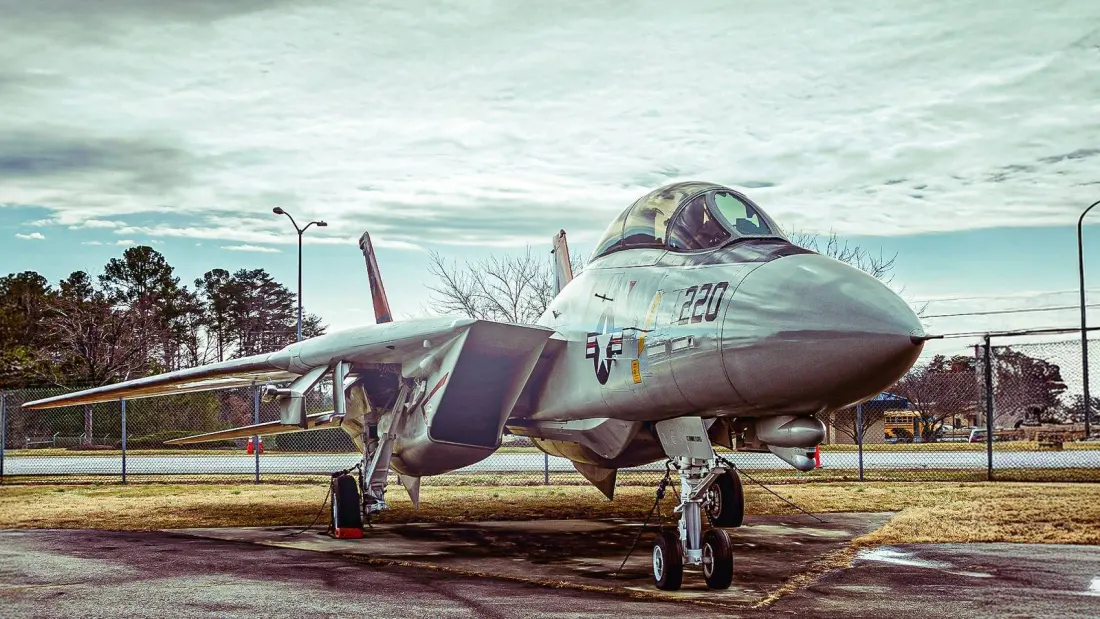
The real driver is scarcity created by geopolitics. When the US Navy retired the Tomcat in 2006, Iran — the only other operator, having bought jets before the 1979 revolution — was still flying its fleet. After a 2007 investigation found Tomcat parts slipping into black markets via middlemen in California and London, the Pentagon banned all surplus sales and ordered retired airframes shredded into two-foot squares at the Davis-Monthan boneyard in Tucson. Around 10,000 of roughly 76,000 unique part types were classified for mandatory destruction, and by 2009 the stored fleet was scrap. Federal agents even seized four intact F-14s from museums. A complete, well-documented GRU-7A with firing handles, drogue gun, and survival kit intact is therefore a genuine rarity — hence the seller's 'holy grail' framing.
The freeze is now thawing. With Iran's Tomcat fleet reportedly destroyed or grounded, Congress has backed the Maverick Act, which would let the Navy release the last three F-14D airframes and remaining parts to a museum, and has even funded a project to restore one F-14D to flying condition. For aviation fans, the collectibles market — fuelled by Top Gun nostalgia — is tracking a Cold War artefact slowly becoming accessible again. Worth a detour if you're heading to Arizona's aviation museums, where the ghost of this programme is very much on display.