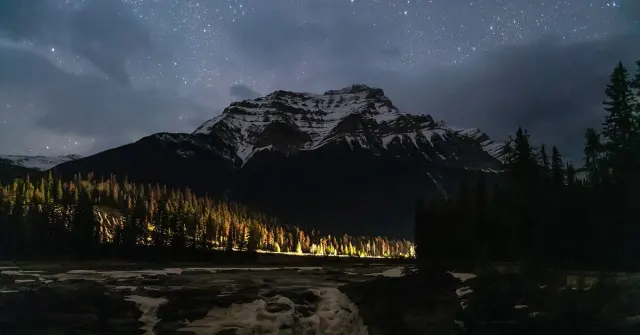
Backcountry skier Catie Evans spent days skiing long tours along Colorado's Continental Divide, including a push toward Dead Dog Couloir on 14,267-foot Torrey's Peak, all while wearing glacier glasses. Then her eyes started burning. She described the feeling as sand thrown in her eyes, and eventually had to ski down squinting through one watering eye, guided by friends. Her likely diagnosis: photokeratitis, better known as snow blindness — a burn to the corneal surface caused by ultraviolet radiation.
If it can happen to an experienced skier wearing eye protection, it can happen to anyone. Eye doctors interviewed by Ski Magazine explain why the mountains are such a harsh environment for eyes. Snow reflects sunlight back up at you, so you cop UV from above and below simultaneously. Exposure also climbs roughly 4 to 5 percent for every 1,000 feet of elevation as the atmosphere thins. And clouds offer little refuge — UV rays pass straight through overcast skies, so cold grey days are just as risky as bluebird ones.
The short-term payoff for ignoring this is painful, but the long-term stakes are higher still. Dr. Becky Leenheer of the American Academy of Ophthalmology notes that cumulative UV exposure raises the risk of cataracts and growths on the eye's surface over time, with children especially vulnerable. Dr. Thomas Litzinger, an Ohio ophthalmologist and keen skier, flags eye cancers and skin cancers around the eye as the most serious consequence of repeated exposure.
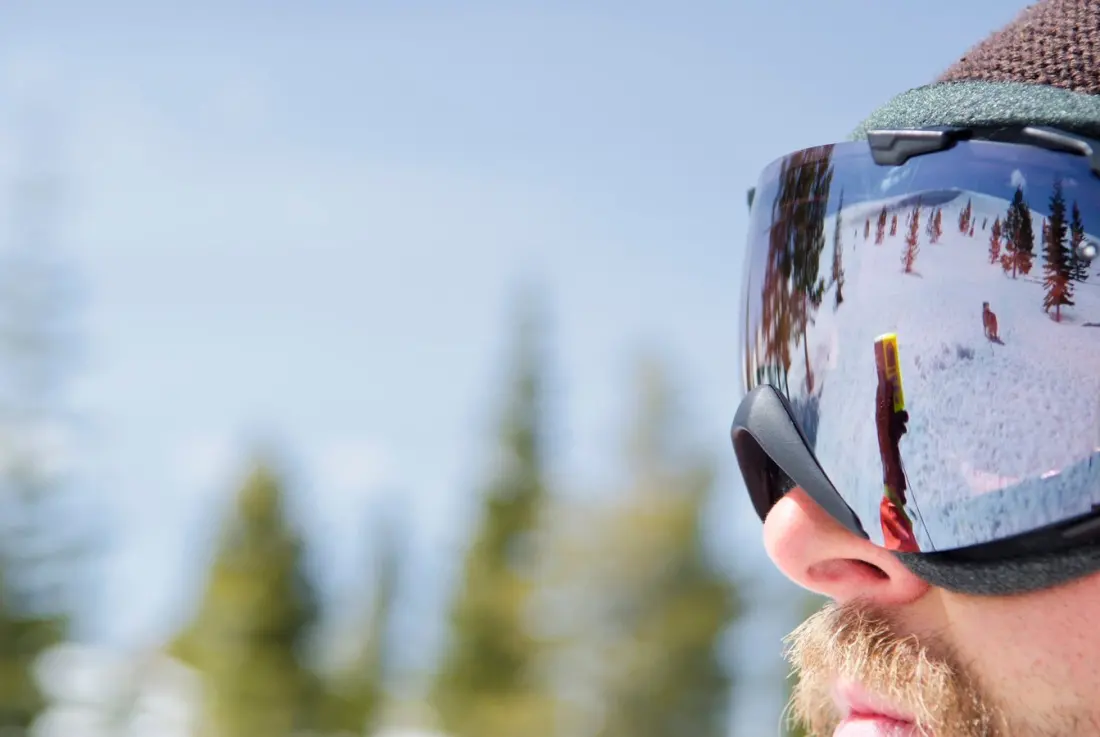
The reassuring part: almost any reputable goggle on the market blocks UV. Look for labels like "100% UV protection", "UVA/UVB protection" or "UV400". The one gap is regulation — goggles aren't regulated in the United States, so bargain-bin pairs from online marketplaces are a gamble. The EU does set standards, and a CE mark on the lens confirms a pair meets them.
A few myths are worth busting before you buy. Lens darkness has nothing to do with UV blocking — that's Visible Light Transmission, which controls brightness and glare, not sun damage. Tint colour is purely personal preference, and cheap goggles protect against UV just as well as expensive ones; where premium models earn their price is fit, durability and optical clarity. Polarised lenses cut glare nicely but can hide icy patches, a trade-off many skiers skip. Match your lens to the conditions for contrast and terrain reading, make sure goggles fit snugly and are impact-rated, and remember that a goggle's full coverage beats sunglasses or UV-blocking contacts because it shields the delicate skin around your eyes too.
The most common mistake isn't buying the wrong lens — it's taking your goggles off. Plenty of eye damage happens on the lunch deck or at the après bar, when skiers ditch their eyewear mid-afternoon after a full day of protection. Keep sunglasses or goggles on for as long as you're outdoors at altitude, and you'll sidestep the fate that caught Evans on Torrey's Peak.