If you've been toying with tacking New Zealand onto an Australia trip, two New Zealand-based travel writers have some blunt advice: don't. Naomi Arnold and Kate Evans, authors of the new Frommer's New Zealand guidebook, argue each country deserves a full holiday on its own — and they make a strong case for why New Zealand punches above its size.
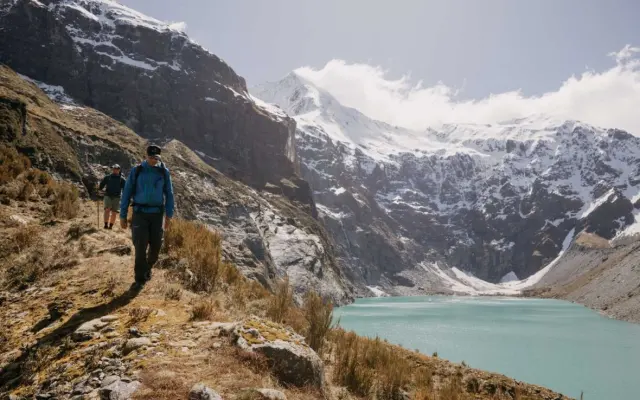
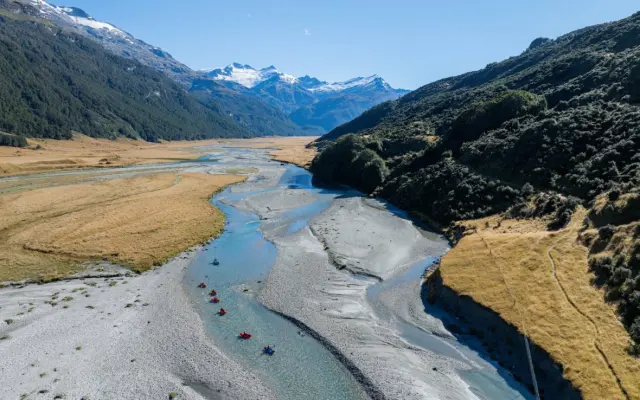
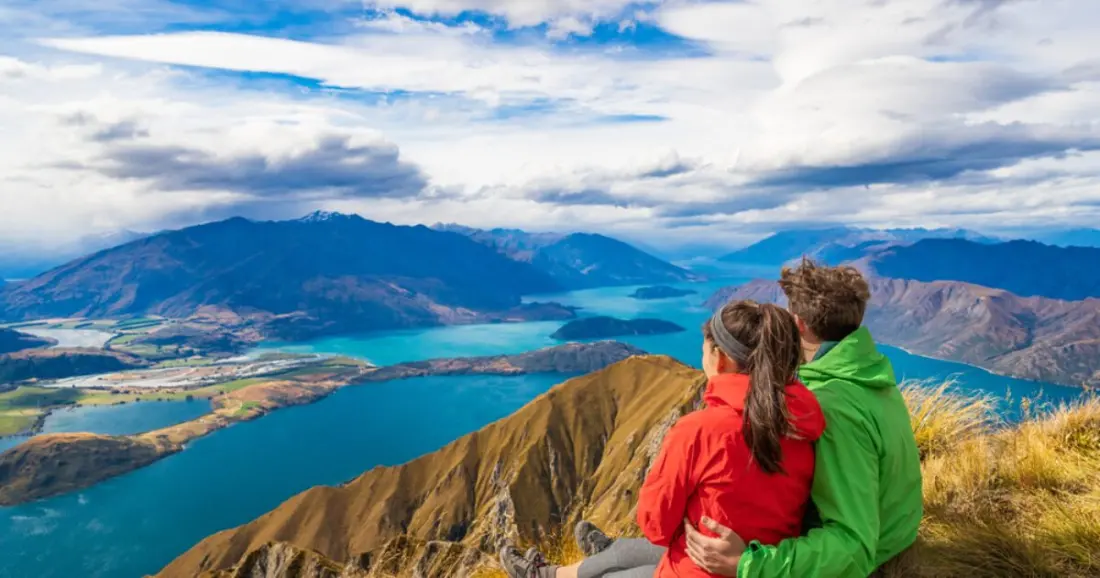
The core pitch is landscape variety. In much of New Zealand's South Island you can drive from a beach to mountain country in about 90 minutes, passing wineries, farmland and cities along the way. In Australia, Evans points out, you might sit behind the wheel for five to seven hours before the scenery shifts. Add locals who are quieter and more down-to-earth than their louder Australian neighbours, and you get a compact trip with a lot packed in.
One area where New Zealand clearly stands out is Māori culture. Many iwi (tribes) now run their own tourism operations, and the experiences go well beyond the recreated-village format. In Rotorua you can visit a geothermal day spa where the story of an ancestor's journey is told through the sauna and mud pools, or join a night tour where singer Maisey Rika's songs soundtrack laser shows projected through rising steam. On the South Island, the newly opened Māwhera Pā museum in Greymouth tells the history of a fortified village site through multimedia storytelling, while at Takapō — one of the world's best dark sky parks — you can take a Māori astronomy tour alongside the Western-focused stargazing at Mount John observatory. If you want a big cultural event, Te Matatini, the national kapa haka championship, lands in the Waikato near Ngāruawāhia for a week in February 2027.
On logistics, Arnold's biggest warning is about driving times. South Island roads are narrow, winding two-laners prone to slips and slow camper-van traffic — she suggests nearly doubling whatever time your route planner claims. She also nudges visitors beyond the Queenstown glacier circuit toward the gentler top of the South Island: Nelson, Marlborough, Tasman and the West Coast, where the Abel Tasman National Park walk is quieter in shoulder season. Evans, defending the often-overlooked North Island, notes that if you already live near mountains, the volcanic plateau is the exotic draw — Tongariro National Park's trio of snow-capped cones (one played Mount Doom in Lord of the Rings) plus glowworm caves near Waitomo, where you can float under a ceiling of steady blue-green light or even try blackwater rafting in a wetsuit and inner tube.
The verdict for travellers: pick one country and go deep. Autumn — February through May — is the sweet spot for the North Island, while adrenaline junkies should budget generously, since ziplines, jet boats, zorbs and bungee jumps add up fast.
Story based on an interview published by Frommer's.